




Special Collections:
Food Security
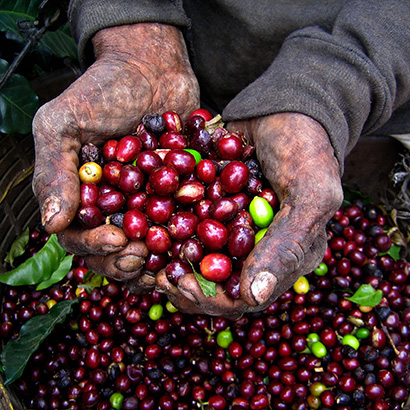

In this episode, Corinna Hawkes, Director of Agrifood Systems and Food Safety Division, discusses transforming agrifood systems through a systems approach. She emphasizes the importance of understanding the relationships, incentives, and power dynamics that influence these systems, using examples from Brazil, Sierra Leone, Tanzania, and New York City.
Hosted by Katrin Park and produced by Eduardo De La Chica, the episode covers various topics, including the marketing of unhealthy foods to children, aligning incentives, and the challenges of short election cycles versus long-term commitments. For more details, view the transcript and subscribe to the FAO YouTube channel.

Innovation can revive degraded soils. In Burkina Faso, farmers use the zaï technique, which involves creating small planting pits to capture rainwater, aiding in land restoration and community resilience.
Learn more about this impactful method and its benefits for agriculture. #WorldFoodDay #UNCCDCOP17 #AgInnovation

This FAO Technical Lecture Series webinar, part of the FAO & AUN-AFS Research Proposal Competition for Youth 2026, emphasizes the significance of food composition data for research, nutrition analysis, and evidence-based policymaking in the Asia-Pacific region.
Presented by Dr. Fernanda Grande from FAO, the session discusses how accurate nutrient information aids dietary assessments and policy development. It also highlights the role of FAO and INFOODS in enhancing food composition databases, improving data quality, and supporting stakeholders in understanding food content for sustainable agrifood systems transformation. More information can be found at FAO Food Composition.

This FAO Technical Lecture Series webinar introduces the One Country One Priority Product (OCOP) initiative, aimed at transforming agrifood systems. Dr. Xuan Li from FAO discusses how OCOP helps countries identify and promote Special Agricultural Products with unique characteristics and market potential.
The session highlights the role of sustainable production, value addition, and responsible value chain development in improving smallholder farmers' livelihoods and strengthening rural economies. It emphasizes the importance of partnerships, youth engagement, and evidence-based approaches to enhance local agricultural products and create more resilient agrifood systems. More information can be found here.

This FAO Technical Lecture Series webinar, part of the FAO & AUN-AFS Research Proposal Competition for Youth 2026, introduces the One Health approach to combat antimicrobial resistance (AMR) in agrifood systems. Dr. Alessandro Patriarchi from FAO discusses AMR as a shared challenge across human, animal, plant, and environmental health, emphasizing the need for coordinated action.
The session highlights FAO’s RENOFARM initiative, which promotes responsible antimicrobial use and good practices in food production. It also underscores the importance of youth, researchers, and institutions in developing evidence-based solutions to mitigate AMR risks and enhance the sustainability of agrifood systems. For more information, visit FAO's website.

The FAO Technical Lecture Series webinar focuses on sustainable land, soil, and water management as essential for resilient agrifood systems. Presented by FAO experts, it covers integrated solutions to address water scarcity in agriculture, including WASAG, policy support, and partnerships.
The session also discusses managing soil salinity, the role of opportunity crops in enhancing agrobiodiversity, and the need for integrated approaches to tackle climate change and water scarcity. For more information, visit FAO WASAG.
Subscribe to the FAO YouTube channel here and follow FAO on social media: Facebook, Instagram, LinkedIn, TikTok, Twitter, Weibo.

This FAO Technical Lecture Series webinar, part of the FAO & AUN-AFS Research Proposal Competition for Youth 2026, addresses food loss and waste in agrifood systems. Dr. Luciana Delgado, FAO Technical Advisor, emphasizes the importance of reliable data to identify when and why food loss occurs, guiding targeted actions.
The session introduces two FAO digital tools: FLAP, for measuring food losses at the producer level, and Optiwaste, designed for organizations to monitor and reduce food waste. Data-driven tools can enhance decision-making, improve food security, and promote sustainable agrifood systems.

This FAO Technical Lecture Series webinar, part of the FAO & AUN-AFS Research Proposal Competition for Youth 2026, focuses on integrated agriculture-aquaculture systems and governance for sustainable aquaculture development. Dr. Oluwafemi Ajayi, an Aquaculture Specialist from FAO, discusses how effective governance can enhance productivity and resilience in aquatic food systems.
The session highlights FAO’s Blue Transformation agenda, emphasizing sustainable aquaculture intensification and responsible fisheries management. It also explores how integrated systems can improve resource efficiency and food security. Practical examples, such as rice-fish systems, illustrate how better policies and investments can foster sustainable agrifood systems. For more information, visit FAO.

The FAO in Georgia hosted Professor Yining Xia, Chief Chinese Expert from the Institute of Food Science and Technology of China, under the One Country One Priority Product (OCOP) initiative. This mission, supported by the FAO-China South-South Cooperation (SSC) Programme, focuses on promoting sustainable development, innovation, and market diversification for Georgia's historic wine.
Stay updated by subscribing to the FAO YouTube channel: Subscribe. Follow FAO on social media: Facebook, Instagram, LinkedIn, TikTok, Twitter, Weibo. © FAO: FAO #SDGs #Agenda2030 #globalgoals

Enrico Perotti, secretario de la Convención Internacional de Protección Fitosanitaria (CIPF), inauguró los Talleres Regionales, subrayando la importancia de las partes contratantes y las organizaciones regionales en la sanidad vegetal global. Estos talleres son un foro clave para discutir avances en gobernanza, estrategia y desarrollo de capacidades de la CIPF, permitiendo el intercambio de experiencias y prioridades entre regiones.
Los talleres abordan proyectos de Normas Internacionales para Medidas Fitosanitarias (NIMF), la iniciativa ePhyto de la CIPF, y temas actuales como contenedores marítimos y redes de laboratorios de diagnóstico. Para más información, suscríbete a FAO en YouTube y síguenos en Facebook, Instagram, LinkedIn, TikTok, Twitter, y Weibo.

This FAO Technical Lecture Series webinar, part of the FAO & AUN-AFS Research Proposal Competition for Youth 2026, focuses on Indigenous Peoples’ food and knowledge systems, emphasizing Free, Prior and Informed Consent (FPIC) in nutrition research.
Presented by FAO experts Pablo Innecken and Alejandra Lizárraga Peña, the session underscores the importance of respecting Indigenous Peoples’ rights and decision-making in research. It highlights how their food systems enhance biodiversity, promote healthy diets, and support climate resilience, advocating for ethical and collaborative research practices.
More information can be found at FAO. Subscribe to our channel here.

In this video, FAO Chief Economist Máximo Torero discusses the Hand-in-Hand Initiative (HIHI) and its upcoming Investment Forum, where countries will connect with agrifood investors to drive meaningful change. He invites everyone to join from October 13 to 16 in Rome.
The HIHI Investment Forum, part of the World Food Forum, aims to unite national authorities and global investors to create partnerships that accelerate agrifood systems transformation and support the Sustainable Development Goals.
Subscribe to FAO on YouTube and follow them on Facebook, Instagram, LinkedIn, TikTok, Twitter, and Weibo.

This video showcases the collaboration between FAO and the UK PACT programme in Cross River State, aimed at helping coastal communities protect their environment and secure their futures. The "Integrated Management of Mangrove Ecosystem and Expansion of Social Protection for Fisheries and Forest Dependents" project supports around 5,000 individuals in adopting nature-based businesses such as beekeeping, aquaculture, and mushroom farming.
Through this initiative, local families are reducing pressure on mangrove forests, increasing their income, and contributing to the restoration of their coastlines.
Subscribe! YouTube | Follow FAO on Facebook, Instagram, LinkedIn, TikTok, Twitter, Weibo. © FAO: fao.org #SDGs #Agenda2030 #GlobalGoals

The FAO, supported by the Foreign, Commonwealth & Development Office through the Building Local Resilience in Syria project, is helping wheat farmers restore and sustain their livelihoods. They promote climate-smart practices to prepare farmers for climatic shocks and agricultural threats, enhancing resilience and food security.
Stay connected with FAO: Subscribe on YouTube, follow on Facebook, Instagram, LinkedIn, TikTok, Twitter, and Weibo. Visit FAO for more information.

This video highlights the Results Dissemination Workshop held in Abuja on June 16, celebrating the completion of the UK PACT and FAO project focused on the "Integrated Management of Mangrove Ecosystem and Expansion of Social Protection for Fisheries and Forest Dependents." The workshop gathered government officials, local leaders, and development partners to discuss the project's impact on 50 coastal communities in Cross River State.
Stay connected with FAO on social media: Facebook, Instagram, LinkedIn, TikTok, Twitter, and Weibo. For more information, visit FAO.

El primer día de “Invirtiendo en los Sistemas Agroalimentarios de América Latina y el Caribe” reunió a gobiernos, instituciones financieras, cooperativas, sector privado y sociedad civil para discutir soluciones que amplíen el financiamiento rural y fortalezcan ecosistemas financieros más inclusivos y sostenibles.
Suscríbete a nuestro canal de YouTube: FAOoftheUN. Síguenos en redes sociales: Facebook, Instagram, LinkedIn, TikTok, Twitter, Weibo. © FAO: fao.org #SDGs #Agenda2030 #GlobalGoals

This video highlights the Results Dissemination Workshop held in Abuja on June 16, celebrating the completion of the UK PACT and FAO project, "Integrated Management of Mangrove Ecosystem and Expansion of Social Protection for Fisheries and Forest Dependents." The event gathered government officials, local leaders, and development partners to assess the project's impact on 50 coastal communities in Cross River State.
Stay updated by subscribing to our channel: Subscribe. Follow FAO on social media: Facebook, Instagram, LinkedIn, TikTok, Twitter, Weibo. Visit us at FAO.

This video highlights the FAO's initiatives to enhance resilient livelihoods in conflict-affected communities in Borno, Adamawa, and Yobe (BAY) States through the "Emergency agricultural livelihoods and protection assistance in Northeast Nigeria" project. Funded by the European Civil Protection and Humanitarian Aid Operations (ECHO), the project aims to provide immediate food security and protection while offering long-term agricultural solutions to help vulnerable communities recover and build resilience against future challenges.
Stay connected with FAO by subscribing to their channel here and following them on social media: Facebook, Instagram, LinkedIn, TikTok, Twitter, and Weibo.
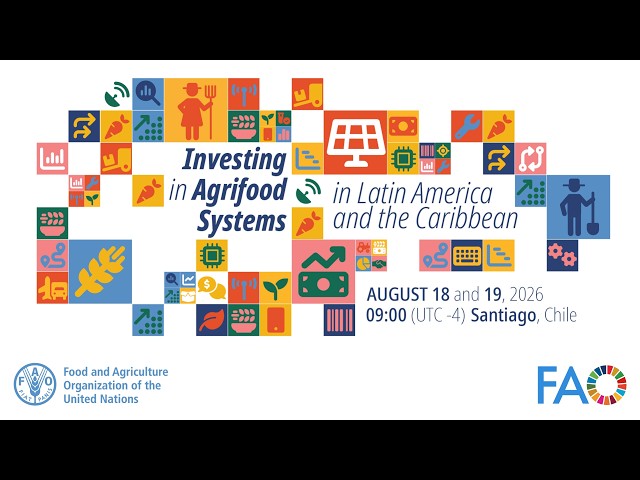
The FAO invites you to the event "Investing in the Agrifood Systems of Latin America and the Caribbean." This high-level dialogue aims to enhance investment in the region's agrifood systems, focusing on various stages of the financing continuum.
For more information, visit FAO Events. © FAO: www.fao.org #SDGs #Agenda2030 #GlobalGoals

With support from the Syria Humanitarian Fund (SHF), FAO distributed 500 kg of supplementary animal feed to 11,072 livestock-keeping households (66,400 people) in Al-Hasakeh, Ar-Raqqa, and Deir ez-Zor. This initiative helps families safeguard their productive assets essential for food security and livelihoods.
For more information, visit the story link: FAO News. Stay connected with FAO on social media: Facebook, Instagram, LinkedIn, TikTok, Twitter, Weibo.
Environmental Scientist and Advocate
What EarthSayers stands for
Discover Diverse Voices on EarthSayers
Unlike algorithm-driven platforms that push you into a content bubble, we ensure you hear a variety of perspectives from scientists, activists, Indigenous leaders, business innovators, and everyday citizens working toward sustainability.
EarthSayers CINEMA
Watch, learn and lead—sustainability starts with you.
How to Live on Earth | Feature Documentary | Presented by Benedict Cumberbatch
What if the solutions to building a better future already exist? How to Live on Earth is an ambitious documentary that explores how humanity can create a thriving future by collaborating with nature. Presented by Benedict Cumberbatch, the film reveals the potential of teaming up with nature to address our greatest challenges.
Heartwarming and energizing, it offers a hopeful vision for a future where both nature and humanity can thrive. How to Live on Earth is produced by Open Planet Studios in association with Villars Institute Foundation and Silvania. Join the conversation by downloading film assets and sharing your reaction at howtoliveonearth.net/social-toolkit. Explore educational resources from the Villars Institute at YouTube.


