




Special Collections:
Food Security
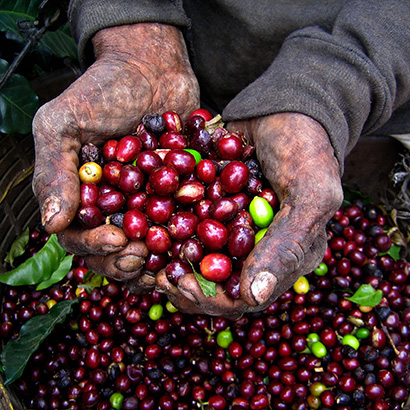

In Malawi’s Ntcheu district, farmers are revitalizing degraded land and enhancing their livelihoods. By restoring eroded fields, planting trees, and cultivating coffee, communities are discovering innovative ways to boost yields, generate income, and strengthen resilience. The FAO-led AFR100 Support Programme, funded by Germany’s BMZ, is transforming degraded landscapes into productive opportunities.
Stay updated by subscribing to the FAO YouTube channel: Subscribe. Follow FAO on social media: Facebook, Instagram, LinkedIn, TikTok, X, and Weibo. © FAO: FAO #SDGs #Agenda2030 #GlobalGoals

In Kenya’s Kerio Valley, farmers are revitalizing degraded land and enhancing their livelihoods through the AFR100 Support Programme, backed by Germany’s Federal Ministry for Economic Cooperation and Development (BMZ). This initiative provides financial and technical support to restore ecosystems, improve soil health, and develop sustainable, market-oriented businesses. Their experiences highlight how land restoration can create new opportunities and strengthen community resilience.
Stay connected with FAO: Subscribe on YouTube. Follow us on Facebook, Instagram, LinkedIn, TikTok, X, and Weibo. © FAO: fao.org #SDGs #Agenda2030 #GlobalGoals

L'innovation ne se limite pas aux technologies comme l'intelligence artificielle ou les robots. Elle inclut également de nouvelles idées et un meilleur partage de l'information, permettant à chacun d'en bénéficier. Pour être efficace, l'innovation doit atteindre ceux qui en ont le plus besoin, en étant abordable et adaptée à diverses populations.
Qu'elle soit à grande ou petite échelle, l'innovation repose sur la science, la technologie et l'imagination pour produire des aliments, protéger la nature et construire l'avenir. Rejoignez-nous pour la Journée mondiale de l'alimentation et innovons ensemble pour nourrir demain.
Abonnez-vous à notre chaîne YouTube et suivez-nous sur Facebook, Instagram, LinkedIn, TikTok, X, et Weibo.

The Food and Agriculture Organization (FAO) of the United Nations, in collaboration with the Global Environment Facility (GEF) and the Green Climate Fund (GCF), has launched numerous projects in Latin America and the Caribbean, benefiting thousands of farming families.
Recently, nearly 100 experts gathered in Panama City for the Regional Technical Workshop focused on agriculture and environmental challenges during the Ninth GEF Replenishment Cycle. The workshop aimed to enhance partnerships that support biodiversity conservation and sustainable practices in this diverse region.
Subscribe to FAO on YouTube and follow them on Facebook, Instagram, LinkedIn, TikTok, Twitter, and Weibo.

A inovação vai além de tecnologias como inteligência artificial e robôs; ela também envolve novas e antigas ideias. Isso inclui usar recursos existentes de maneiras diferentes e compartilhar conhecimentos para beneficiar mais pessoas.
Para ter impacto, a inovação deve ser acessível e adaptada às diversas realidades ao redor do mundo. Seja moderna ou tradicional, inovar é encontrar soluções com ciência e imaginação para produzir alimentos e proteger a natureza.
Neste Dia Mundial da Alimentação, junte-se a nós para inovar hoje e nutrir o amanhã. Saiba mais em FAO.

In Timor-Leste, rural women are revitalizing mangrove forests through community-led restoration efforts. This initiative protects coastlines, supports fisheries, and creates new livelihood opportunities while passing on their knowledge to younger generations committed to conserving these vital ecosystems.
Stay connected with FAO: Subscribe on YouTube, and follow us on Facebook, Instagram, LinkedIn, TikTok, X, and Weibo. © FAO: fao.org #SDGs #Agenda2030 #GlobalGoals

Le innovazioni nel settore agroalimentare non riguardano solo tecnologie come dati e intelligenza artificiale, ma anche idee creative e metodi per condividere informazioni. È fondamentale che queste innovazioni raggiungano chi ne ha più bisogno, rendendole accessibili e adattate alle diverse comunità nel mondo.
Che si tratti di iniziative grandi o piccole, moderne o tradizionali, l'obiettivo è trovare soluzioni intelligenti per coltivare cibo, proteggere la natura e garantire un futuro sostenibile. Unisciti a noi per la Giornata Mondiale dell’Alimentazione e insieme possiamo innovare oggi per nutrire il domani.


La innovación en alimentación y agricultura no solo se basa en tecnologías como la inteligencia artificial y los robots, sino también en nuevas ideas y mejores formas de compartir información. Para que la innovación tenga un impacto real, debe ser accesible y adaptarse a las necesidades de diversas comunidades alrededor del mundo.
Desde soluciones modernas hasta enfoques tradicionales, todas las innovaciones buscan cultivar alimentos, proteger la naturaleza y asegurar un futuro sostenible. Únete a nosotros este Día Mundial de la Alimentación para innovar hoy y nutrir mañana.
Suscríbete a nuestro canal en YouTube y síguenos en Facebook, Instagram, LinkedIn, TikTok, X, y Weibo.

Farmers in Afghanistan are adopting soybean cultivation to diversify their production, enhance household nutrition, and create income opportunities. Women farmers are learning to incorporate soybeans into traditional dishes, enriching family meals.
The FAO supports soybean production through research, training, and collaboration with the private sector. In 2025, farmers received seeds, fertilizers, and technical assistance from the World Bank and the Special Trust Fund for Afghanistan, while previous support from the Republic of Korea provided essential agricultural machinery.
Subscribe to FAO on YouTube: FAOoftheUN. Follow FAO on social media: Facebook, Instagram, LinkedIn, TikTok, X, Weibo.
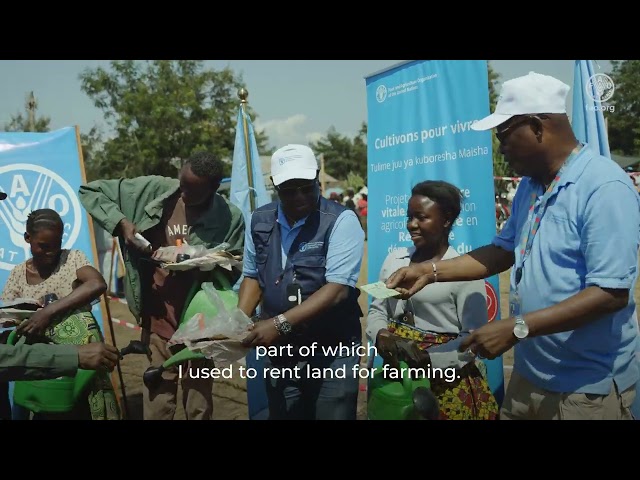
A humanitarian crisis is unfolding in eastern provinces of the Democratic Republic of the Congo, where acute food insecurity affects many. With support from the Democratic Republic of the Congo Humanitarian Fund, FAO is providing targeted agricultural assistance to over 55,500 vulnerable households, helping them regain access to food.
This video showcases the project's early stages in Ituri, North Kivu, South Kivu, and Tanganyika, filmed between June and July 2026. Stay connected with FAO through their social media: Facebook, Instagram, LinkedIn, TikTok, X, and Weibo.

Building knowledge and skills is crucial for tackling challenges in animal, human, and environmental health. The FAO Virtual Learning Centers (VLCs) form a global network of regional hubs that offer high-quality, accessible learning tailored to local needs.
With over 150 courses and 45,000 participants from more than 200 countries, VLCs connect professionals with experts and peers through self-paced and blended courses. This initiative enhances One Health capacities worldwide. Learn more at the FAO VLC.
Subscribe to our channel here and follow us on Facebook, Instagram, LinkedIn, TikTok, X, and Weibo.

This video highlights the FISH4ACP program's efforts to combat gender-based violence in Zambia's Lake Tanganyika fishing communities. By collaborating with a travelling circus, the initiative addresses the issue of fish-for-sex and encourages locals to devise their own solutions. Additionally, it aims to alleviate economic pressures by helping women enhance the value of their fish, access better markets, and explore alternative income sources.
FISH4ACP, supported by the Organisation of African, Caribbean and Pacific States (OACPS) and implemented by the FAO with funding from the EU and BMZ, seeks to improve the productivity and sustainability of the small pelagics value chain in Zambia. This work contributes to poverty reduction, food safety, and the preservation of aquatic resources for future generations.

The video, intended for internal communication, will be featured on the OSP intranet page, replacing the longer version currently available. It outlines the Strategic Framework 2022 to 2031, which serves as FAO's roadmap for achieving the SDGs by transforming agrifood systems.
FAO has become more agile and aligned with the 2030 Agenda, enhancing coordination within the organization and with external partners. New implementation arrangements promote collaboration across disciplines and organizational layers as OneFAO, supported by an improved business model.
Subscribe to our channel: YouTube. Follow FAO on social media: Facebook, Instagram, LinkedIn, TikTok, X, Weibo.

بتمويل من الاتحاد الأوروبي، افتتحت منظمة الأغذية والزراعة للأمم المتحدة (الفاو) أول بنك للجينات/البذور في إقليم كردستان العراق بمحافظة السليمانية. يمثل هذا الإنجاز استثماراً طويل الأمد في مستقبل الزراعة في العراق.
يهدف البنك إلى صون الموارد الوراثية النباتية، دعم البحث العلمي والأمن الغذائي، والمساهمة في تطوير أصناف نباتية أكثر قدرة على الصمود أمام آثار تغير المناخ.
Subscribe! YouTube | Follow FAO on Facebook, Instagram, LinkedIn, TikTok, X, Weibo.

The Food and Agriculture Organization (FAO) of the United Nations, with funding from the European Union, has inaugurated the first Gene/Seed Bank in Sulaymaniyah, Kurdistan Region of Iraq. This initiative marks a significant investment in the future of agriculture in Iraq.
The Gene/Seed Bank aims to conserve Iraq’s plant genetic resources, enhance scientific research, and improve food security. It will also aid in developing plant varieties that are more resilient to climate change.
Subscribe to FAO on YouTube: FAO YouTube. Follow FAO on Facebook, Instagram, LinkedIn, TikTok, X, and Weibo.

In this video, soil scientist and artist Bruce Ball highlights the beauty of soil and the threats it faces, such as compaction and land degradation. His work reveals how compaction affects soil health and productivity, making the invisible visible through a blend of science and art. Presented at the Global Symposium on Soil Compaction, his artworks encourage us to appreciate our connection to soil through food and nature.
Subscribe to the channel here and follow FAO on social media: Facebook, Instagram, LinkedIn, TikTok, Twitter, Weibo. © FAO: fao.org #SDGs #Agenda2030 #GlobalGoals

In this video interview, Maher Salman discusses the FAO's collaboration with the UNCCD and GEF to enhance drought management in countries. This includes national drought planning, action prioritization, and investment portfolio development. At UNCCD COP17 and beyond, FAO aims to improve food security and create more efficient agrifood systems.
For more information, visit the FAO website. Subscribe to the FAO YouTube channel and follow FAO on social media: Facebook, Instagram, LinkedIn, TikTok, X, and Weibo.

Healthy agrifood systems rely on the well-being of people, animals, plants, and ecosystems. As challenges like climate change and food safety risks grow interconnected, coordinated action across sectors is essential. One Health offers a unified approach to enhance health and resilience in agrifood systems, preventing crises before they arise.
The FAO Global Conference for Actions on One Health in Agrifood Systems will take place at FAO headquarters in Rome from September 21 to 23, 2026. This event will gather global leaders and experts to promote the practical application of One Health, fostering healthier and more resilient agrifood systems for all. For more information, visit FAO.

In this video, Thorunn Wolfram, Secretary of the Global Soil Partnership (GSP), discusses key insights from the launch of the Status of the World’s Soil Resources 2026. This event took place during the 17th session of the UNCCD COP17.
Stay updated by subscribing to the FAO YouTube channel. Follow FAO on social media: Facebook, Instagram, LinkedIn, TikTok, X, and Weibo. © FAO: fao.org #SDGs #Agenda2030 #GlobalGoals
Environmental Scientist and Advocate
What EarthSayers stands for
Discover Diverse Voices on EarthSayers
Unlike algorithm-driven platforms that push you into a content bubble, we ensure you hear a variety of perspectives from scientists, activists, Indigenous leaders, business innovators, and everyday citizens working toward sustainability.
EarthSayers CINEMA
Watch, learn and lead—sustainability starts with you.
How to Live on Earth | Feature Documentary | Presented by Benedict Cumberbatch
What if the solutions to building a better future already exist? How to Live on Earth is an ambitious documentary that explores how humanity can create a thriving future by collaborating with nature. Presented by Benedict Cumberbatch, the film reveals the potential of teaming up with nature to address our greatest challenges.
Heartwarming and energizing, it offers a hopeful vision for a future where both nature and humanity can thrive. How to Live on Earth is produced by Open Planet Studios in association with Villars Institute Foundation and Silvania. Join the conversation by downloading film assets and sharing your reaction at howtoliveonearth.net/social-toolkit. Explore educational resources from the Villars Institute at YouTube.


