




Special Collections:
Forests and Oceans
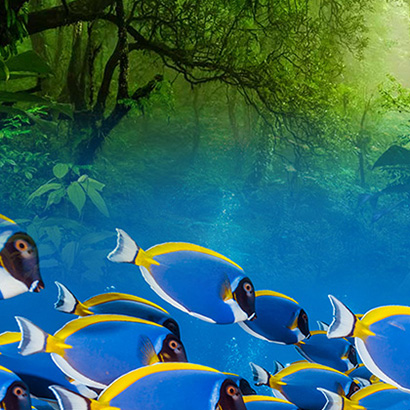
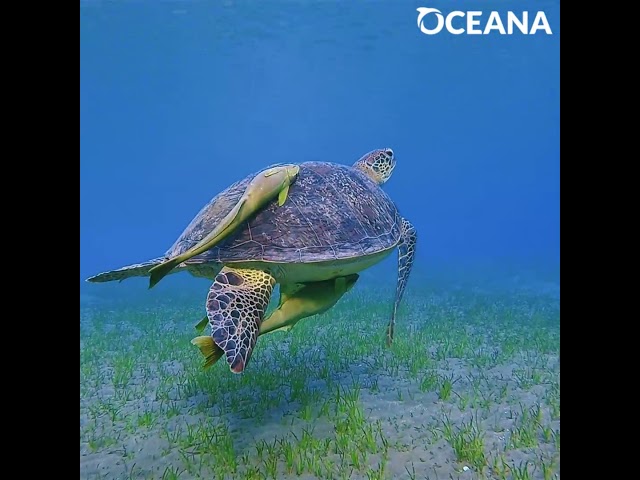
Explore the fascinating symbiosis involving sea turtles. The Endangered Species Act has been crucial in preventing the extinction of green sea turtles, highlighting its vital role in marine conservation.
Support these magnificent creatures. Add your name to #StopExtinction and help protect green sea turtles: https://bit.ly/2SNIhjG

Manatees sleep 10-12 hours daily, often taking power naps.
Help protect these creatures and other endangered species from extinction. Add your name to support their defense: https://bit.ly/2TYtwqC #StopExtinction

Female humpback whales are known to form strong bonds, often having "best friends." This fascinating social behavior underscores the complex lives of marine mammals.
You can help ensure these whales and their friendships are protected for generations. Add your name to support marine mammal conservation and #DefendMarineMammals.
Sign our petition here: https://bit.ly/2RZpLQb

Octopuses are renowned for their mastery of disguise, but the mimic octopus elevates this ability to an extraordinary level.
Discover more about the ocean's most fascinating creatures by exploring Oceana's Marine Encyclopedia: Oceana's Marine Encyclopedia.

A new Southern Resident orca calf was recently spotted, the first live birth seen in this critically endangered species since 2015. While this is positive news, these orcas still face significant threats and need urgent help.
Their survival depends on immediate support. Add your name to help save Southern Resident orcas and #StopExtinction by signing up here.

Southern Resident orcas, known for their intricate social pods, are in critical danger. Only 75 individuals remain, and a devastating nearly 70% of pregnancies end in miscarriage.
These beloved orcas urgently need our help to avoid extinction. Do your part to save them: https://bit.ly/2sSNw24 #StopExtinction.

Explore the remote Russian High Arctic with conservation biologist Joshua Powell in the new series, *Frozen Islands, Arctic Seas*. Powell delves into critical biodiversity issues facing the region.
This week, he highlights the threat of plastic waste, often mistaken for food by seabirds. New episodes air every Wednesday – subscribe now to follow his journey and insights.
Connect with Joshua Powell on Facebook and Instagram. Learn more about his work via National Geographic.

For eco-friendly canned tuna, look for the "pole and line" label. It’s today’s most sustainable choice.
Learn more on our blog: https://bit.ly/2LuVYwT

May your days be merry and bright, just like these comb jellies!
These marine creatures produce a fantastic light show in the ocean. They achieve this through a combination of diffracting light via cilia movement and bioluminescence.
It's a truly dazzling display. ( Ryan M. Bolton)

Thanks to your support, Oceana achieved significant victories in 2018. We aim to build on this success and go even further in 2019.
Your year-end donation will have double the impact, helping us continue our vital work. Please donate before December 31st: Donate Now.

Oceans offer immense benefits.
Beyond buffering storm damage, they generate half the oxygen we breathe and provide many other unexpected contributions.

Sea turtles face severe threats, with all six species in U.S. waters listed as endangered or threatened. Thousands are killed annually by fishing gear, while marine debris, oil pollution, habitat loss, and climate change further jeopardize their survival.
Your donation empowers Oceana's campaigns to reduce bycatch, protect critical habitats, stop new offshore drilling, and fight plastic pollution, directly addressing these urgent issues.
Make a difference today. Give the gift that gives back by making a symbolic adoption: https://bit.ly/2zXijyA
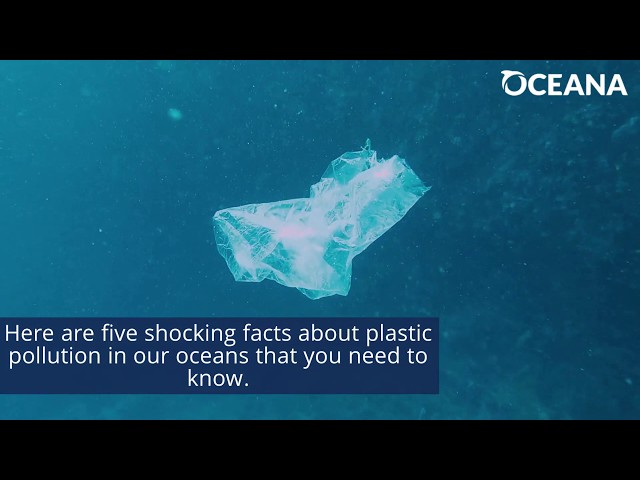
Our oceans face a massive and growing threat from everyday plastics. Plastic pollution is a critical issue, with shocking facts highlighting its devastating impact on marine environments.
To learn more about how you can join Oceana in the #BreakFreeFromPlastic movement, visit our website.

Patrick Wilson, who stars as Orm/Ocean Master in Aquaman, invites you to become an #OceanHero. Join Oceana in protecting the world’s oceans. Oceana has achieved over 200 victories globally, safeguarding more than 4.5 million square miles of ocean. However, the vital fight for marine conservation continues.
Become an #OceanHero by joining Oceana today: https://bit.ly/2EiwHp1

Sharks and their ray relatives exhibit a remarkable diversity in pupil shapes and eye sizes. These varied adaptations offer crucial insights into their hunting strategies and daily lives.
Such unique eye characteristics provide significant clues, revealing much about the distinct lifestyles of these fascinating creatures.

The Trump Administration has authorized companies to use seismic airgun blasting in the ocean to search for oil. This practice is highly disruptive and harmful to marine life and ecosystems.
Such seismic exploration is the initial phase of a process that ultimately leads to expanded offshore drilling, which is often described as dirty and dangerous.

The Trump Administration has authorized companies to use seismic airgun blasting in the ocean to search for oil.
This practice is highly disruptive and harmful to marine life. It also represents the initial phase of a process that will lead to hazardous offshore drilling, posing significant environmental risks.

Not all "vampires" reside in Transylvania; some infest underwater pens of farmed salmon. Tiny parasites called sea lice make life miserable for both farmed and wild fish, weakening adults and killing juveniles.
These bloodsuckers pose a dual threat: the lice themselves harm fish, and the pesticides used to control them can be toxic to other marine life. Their prevalence signals a critical need for improved practices in certain salmon farms.

Acclaimed actor, producer, and director Sam Waterston is a dedicated champion for our oceans and a major supporter of Oceana. At Oceana's New York Gala in October, Waterston delivered an inspiring speech that captivated the audience, encouraging everyone to #StandForOceans.
We hope his powerful message inspires you. Join Sam in supporting Oceana and learn more about their vital work here: Oceana Support.

Iceland Foods' "Rang-tan" Christmas ad was banned from British TV before airing because it was created by Greenpeace, a political organization. Political advertising is prohibited, but this ban generated significant, unexpected publicity for the retailer.
Despite the broadcast restriction, Iceland uploaded the commercial to their YouTube channel. The ad, "Rang-tan", quickly amassed 3.7 million views within its first three days, highlighting public interest in its environmental message.
Environmental Scientist and Advocate
What EarthSayers stands for
Discover Diverse Voices on EarthSayers
Unlike algorithm-driven platforms that push you into a content bubble, we ensure you hear a variety of perspectives from scientists, activists, Indigenous leaders, business innovators, and everyday citizens working toward sustainability.
EarthSayers CINEMA
Watch, learn and lead—sustainability starts with you.
How to Live on Earth | Feature Documentary | Presented by Benedict Cumberbatch
What if the solutions to building a better future already exist? How to Live on Earth is an ambitious documentary that explores how humanity can create a thriving future by collaborating with nature. Presented by Benedict Cumberbatch, the film reveals the potential of teaming up with nature to address our greatest challenges.
Heartwarming and energizing, it offers a hopeful vision for a future where both nature and humanity can thrive. How to Live on Earth is produced by Open Planet Studios in association with Villars Institute Foundation and Silvania. Join the conversation by downloading film assets and sharing your reaction at howtoliveonearth.net/social-toolkit. Explore educational resources from the Villars Institute at YouTube.


