




Special Collections:
The Economy
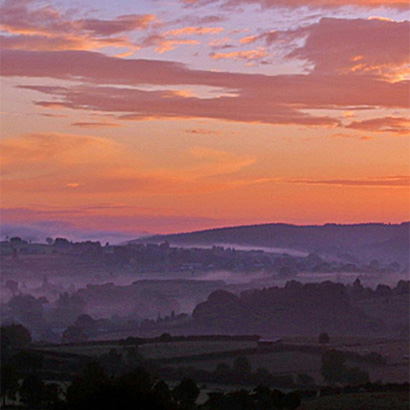

Imagine a grocery store where every food choice is nature and climate positive. Food manufacturers and retailers can achieve this by redesigning portfolios for a regenerative future.
This special episode of the Circular Economy Show explores regenerative ingredients and future farming at FarmED. It features insights from Chantelle Nicholson, Ian Wilkinson, Merijn Dols, Ben Thomas, and David Edwards.
The Ellen MacArthur Foundation, a UK charity, accelerates the transition to a circular economy. Subscribe for more videos and learn about our work: YouTube | Website | Instagram | Facebook | Twitter | LinkedIn.

Gaëlle Le Gelard of the Ellen MacArthur Foundation discusses the circular economy and design's role in creating food systems where nature thrives. Learn more in their latest study, "The big food redesign: Making nature-positive food the norm."
The Ellen MacArthur Foundation is a UK charity dedicated to accelerating the transition to a circular economy through business, learning, insights, and communications.
Thank you for watching. Subscribe for more insightful videos on their YouTube channel. Find out more about their work on their website, and follow them on Instagram, Facebook, Twitter, and LinkedIn.

Bridget Croke from Closed Loop Partners discusses cross-continent collaboration in North America and its benefits for creating a circular economy.
The Ellen MacArthur Foundation, a UK charity, accelerates the transition to a circular economy through business, learning, and insights.
Subscribe for more videos: YouTube. Explore our work: ellenmacarthurfoundation.org. Connect with us: Instagram, Facebook, Twitter, LinkedIn.

Emma Chow from the Ellen MacArthur Foundation (EMF) discusses the vital role of the circular economy in food systems, emphasizing the need to redesign our current linear model. Explore their latest study, "The Big Food Redesign: Making nature-positive food the norm," for more insights.
The Ellen MacArthur Foundation is a UK charity dedicated to accelerating the transition to a circular economy through business, learning, and insights. Subscribe to their YouTube channel for more videos and discover their work on their website.
Follow the EMF on social media: Instagram, Facebook, Twitter, LinkedIn, and their website.

Adriano Lopez Velarde from Desserto discusses their cactus-based leather alternative and its environmental benefits. This video is brought to you by The Ellen MacArthur Foundation, a UK charity dedicated to accelerating the transition to a circular economy.
For more insightful videos, subscribe to The Ellen MacArthur Foundation's YouTube channel. Learn more about their work on their website, or follow them on Instagram, Facebook, Twitter, and LinkedIn.

We, with the Dutch Ministry of Infrastructure and Water Management, hosted a side event on regional perspectives for the circular economy. Guests included representatives from UNEP, EU Environment, Nigeria, and the Colombian Ministry of Environment and Sustainable Development.
The Ellen MacArthur Foundation, a UK charity, accelerates the transition to a circular economy through business, learning, insights, and communications.
Thank you for watching. Subscribe to our YouTube channel for more videos. Learn more about our work at ellenmacarthurfoundation.org and follow us on Instagram, Facebook, Twitter, and LinkedIn.

Robert Jones from Nature Conservancy discusses aquaculture as a solution to biodiversity loss.
The Ellen MacArthur Foundation, a UK charity, drives the transition to a circular economy through business, learning, and insights. Explore their [Biodiversity Paper](https://bit.ly/3kgnL7f).
Learn more about their work: [Visit their website](https://www.ellenmacarthurfoundation.org), [subscribe on YouTube](https://www.youtube.com/channel/UCQAC2otE5_agzHZPnk3mE5w?sub_confirmation=1), or follow them on [Instagram](http://instagram.com/EllenMacArthurFoundation), [Facebook](http://www.facebook.com/ellenmacarthurfoundation), [Twitter](http://www.twitter.com/circulareconomy), and [LinkedIn](https://www.linkedin.com/company/ellen-macarthur-foundation/).

Food production significantly contributes to global challenges like biodiversity loss and climate change. However, the Ellen MacArthur Foundation's latest publication argues that creating nature and climate-positive food is possible through better design. This presents a major opportunity for food manufacturers and retailers to benefit customers, farmers, and their businesses.
In a new episode of the Circular Economy Show, Emma Chow and Gaelle Le Gelard from the Foundation will discuss why a fundamental rethink of ingredients and product portfolios is needed, moving beyond incremental sourcing. They will explore the crucial concept of 'food design' and envision what nature-positive foods of the future could look like.

Soukeyna Gueye of the Ellen MacArthur Foundation outlines three key business steps to tackle biodiversity loss. Read their Biodiversity Paper: bit.ly/3kgnL7f.
The Ellen MacArthur Foundation is a UK charity dedicated to accelerating the transition to a circular economy through business, learning, and insights.
For more insightful videos, subscribe. Learn more at ellenmacarthurfoundation.org, and follow them on Instagram, Facebook, Twitter, and LinkedIn.

Soukeyna Gueye from the Ellen MacArthur Foundation outlines strategies for positively impacting biodiversity loss. Delve deeper by reading their Biodiversity Paper.
The Ellen MacArthur Foundation is a UK charity dedicated to accelerating the transition to a circular economy through business, learning, and insightful analysis.
Stay informed: Subscribe on YouTube, explore more on our website, and follow us on Instagram, Facebook, Twitter, and LinkedIn.

North America is at a unique juncture for the circular economy. Emerging from pandemic disruption, with climate and environment as policy priorities, and strong business leadership, the region is poised for significant progress. This episode will share stories of its emergence, celebrate achievements, and explore future directions.
Presented as an Accelerator Session at the World Circular Economy Forum 2021, this discussion features insights from leading experts:
Bridget Croke, Armando Yáñez Sandoval, Elise O'Malley, Jonathan Pereira, Jessica Vieira, Jacomien van Tonder, and Adriano Velarde.

This episode of the Circular Economy Show explores how a circular economy can reverse biodiversity loss, largely driven by resource extraction. It features an interview with the lead author of the Ellen MacArthur Foundation's latest paper on the topic, highlights real-world examples of circular design benefits from agriculture to the built environment, and includes The Nature Conservancy's Robert Jones discussing aquaculture's role in ocean health.
The Ellen MacArthur Foundation, a UK charity, accelerates the transition to a circular economy. Subscribe for more insightful videos on our YouTube channel. Find out more about our work and follow us online at ellenmacarthurfoundation.org.

Carolina Garcia, Global Sustainability and Innovation Director at Anheuser-Busch InBev, emphasizes the need for companies to prioritize sustainability and achieve climate goals through brand partnerships.
The Ellen MacArthur Foundation, a UK charity, accelerates the transition to a circular economy through business, learning, and insights.
For more information and insightful content, visit their YouTube channel, explore their website, and follow them on Instagram, Facebook, Twitter, and LinkedIn.

Keith Coleman, Co-Founder & CEO of SuSeWi, discusses his company's work in harvesting algae at scale to create a healthy alternative food source.
The Ellen MacArthur Foundation, a UK charity, drives the transition to a circular economy through business, learning, and insights.
Thank you for watching. Subscribe to our YouTube channel for more videos. Find out more about our work and connect with us on our website, Instagram, Facebook, Twitter, and LinkedIn.

Josephine Philips, Founder & CEO of Sojo, discusses the sustainable fashion movement and how Sojo's circular business model attracts young people.
This video is brought to you by the Ellen MacArthur Foundation, a UK charity dedicated to accelerating the transition towards a circular economy through business, learning, and insights.
Thank you for watching. Subscribe to the Ellen MacArthur Foundation for more insightful videos: YouTube. Learn more about our work at ellenmacarthurfoundation.org. Follow us on Instagram, Facebook, Twitter, and LinkedIn.

At the first Ministerial Conference on Marine Litter and Plastic Pollution, leaders from the Ellen MacArthur Foundation, Fidelity International, Unilever, and WWF International voiced support for a UN treaty on plastic pollution. For more information on the business call, visit plasticpollutiontreaty.org.
The Ellen MacArthur Foundation is a UK charity dedicated to accelerating the transition to a circular economy through business, learning, insights & analysis, and communications.
Subscribe to the Ellen MacArthur Foundation for more insightful videos.

The circular economy is a transformative approach, moving beyond incremental changes like better recycling. It offers interconnected solutions to global challenges, driving rapid innovation. This episode highlights specific innovations and their systemic impact.
Featured speakers include Josephine Philips (Sojo), Keith Coleman (SuSeWi), Pierluigi Berna (Wrote Farm), and Carolina Garcia (Anheuser-Busch InBev). This content is brought to you by the Ellen MacArthur Foundation, a UK charity dedicated to accelerating the transition to a circular economy.
Find more about our work and follow us online:
- Website: ellenmacarthurfoundation.org
- Instagram: @ellenmacarthurfoundation
- Facebook: Ellen MacArthur Foundation
- LinkedIn: Ellen MacArthur Foundation
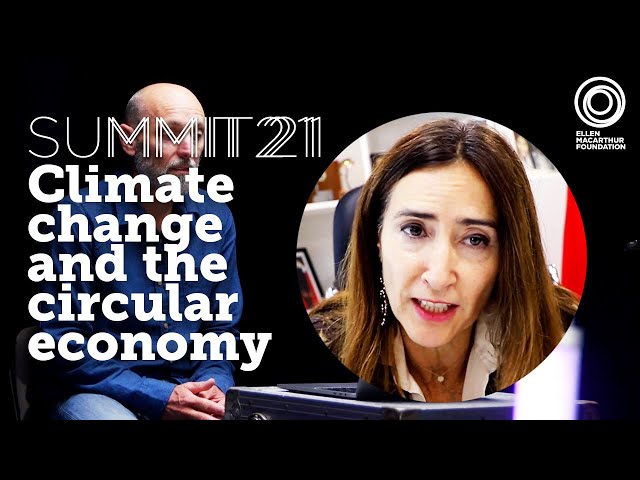
This video features Dame Ellen MacArthur with Christiana Figueres (Global Optimism), and Jocelyn Blériot with Minister Carolina Schmidt (Chile), discussing climate change and the circular economy. The Ellen MacArthur Foundation, a UK charity, accelerates the transition to a circular economy through business, learning, and insights.
Subscribe for more insightful videos on our YouTube channel. Learn more about our work at ellenmacarthurfoundation.org. Follow us on Instagram, Facebook, Twitter, and LinkedIn.
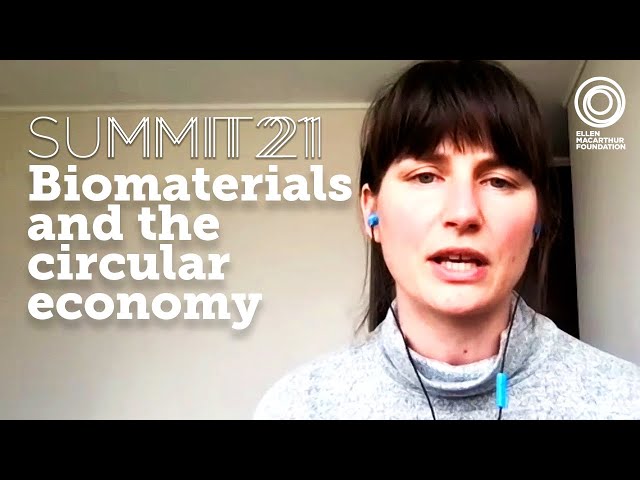
Alysia Garmulewicz, Associate Professor of the circular economy at Universidad de Santiago de Chile, discussed rethinking supply chains. This presentation occurred at Summit 21, a three-day event live-streamed in June 2021, which focused on climate and the circular economy.
The Ellen MacArthur Foundation, a UK charity, accelerates the transition to a circular economy through business, learning, and insights. For more, subscribe to their YouTube channel, visit their website, or follow them on Instagram, Facebook, Twitter, and LinkedIn.

Achieving net-zero emissions demands more than just renewable energy; it requires fixing the economy to fix the climate. This episode explores the interconnected solutions to the climate crisis and how businesses can make and measure progress.
Featured speakers include Christiana Figueres (Global Optimism), Erin Billman (Science-Based Targets Network), and Charles Redfield (Walmart US).
Powered by Restream.
Environmental Scientist and Advocate
What EarthSayers stands for
Discover Diverse Voices on EarthSayers
Unlike algorithm-driven platforms that push you into a content bubble, we ensure you hear a variety of perspectives from scientists, activists, Indigenous leaders, business innovators, and everyday citizens working toward sustainability.
EarthSayers CINEMA
Watch, learn and lead—sustainability starts with you.
How to Live on Earth | Feature Documentary | Presented by Benedict Cumberbatch
What if the solutions to building a better future already exist? How to Live on Earth is an ambitious documentary that explores how humanity can create a thriving future by collaborating with nature. Presented by Benedict Cumberbatch, the film reveals the potential of teaming up with nature to address our greatest challenges.
Heartwarming and energizing, it offers a hopeful vision for a future where both nature and humanity can thrive. How to Live on Earth is produced by Open Planet Studios in association with Villars Institute Foundation and Silvania. Join the conversation by downloading film assets and sharing your reaction at howtoliveonearth.net/social-toolkit. Explore educational resources from the Villars Institute at YouTube.


