




Special Collections:
Life on Earth
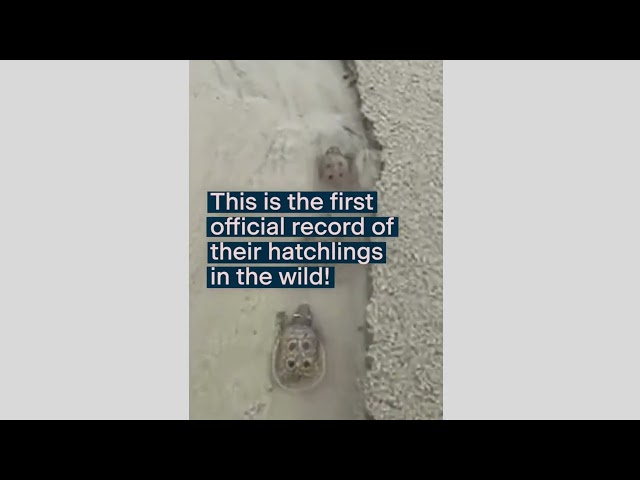
Fauna & Flora International (FFI) recently filmed 15 critically endangered Burmese peacock softshell turtles hatching in Myanmar—a possible first-ever video of their species. Named for the peacock-like spots on their shells, these once-abundant freshwater animals are now among the world's most endangered.
Volunteer "turtle guardians" with FFI protected the nest sites until the eggs hatched. After a brief study, the hatchlings were released into the wild. Watch the video and learn more: Business Insider | Endangered Earth Online. Video credit: © Nyein Chan and Yae Aung / fauna-flora.org.

A rare gulper eel, also known as a pelican eel, was filmed 6,900 feet deep off Costa Rica. Its body was massively distended from a recent meal.
This sighting occurred in the Dorado Outcrop, an area also home to recently discovered, rare octopus nurseries.
Watch captivating footage of the gulper eel and other deep-sea highlights from the Dorado expedition: https://www.youtube.com/watch?v=hhH42NS8ig4. Video by Schmidt Ocean Institute, featured in the Center for Biological Diversity's Endangered Earth Online 1201. Audio: Mothership via Canva.

SpaceX launches in Boca Chica, Texas, threaten protected piping plover habitat with debris. The Center for Biological Diversity is suing to assess these impacts and needs your help to protect endangered species. Take action: https://biodiv.us/spacex.
The Center for Biological Diversity is a 501c3 nonprofit dedicated to securing a future for all species. We believe human welfare is deeply linked to nature's vast diversity, protecting lands, waters, and climate through science, law, and media. Learn more at our website: https://www.biologicaldiversity.org/ or email inquiries to center@biologicaldiversity.org.

NM LAWS (New Mexico Land, Air, Water, and the Sacred) is an Indigenous, frontline, and youth collective. They hold New Mexico accountable for protecting citizens from oil and gas pollution. Learn about this landmark case via their webinar. More info: nmlandairwatersacred.org.
The Center for Biological Diversity is a Tucson-based 501c3 nonprofit. Linking human welfare to nature and biodiversity, we use science, law, and creative media to secure a future for all species. We protect vital lands, waters, and climate to ensure a wild world for future generations.
Connect: biologicaldiversity.org. Social: Twitter, Facebook, Instagram, TikTok. Action: biologicaldiversity.org/action/alerts. Email: center@biologicaldiversity.org.

A recent expedition in Mexico's Gulf of California tallied just 10 to 13 vaquitas, confirming these small porpoises are critically endangered but not yet extinct. Their population has plummeted from 600 in 1997, primarily due to entanglement in gillnets set for the endangered totoaba fish.
Despite the dire situation, Mexico has largely failed to enforce its totoaba fishing ban. The Center, advocating for over 20 years, now urgently calls on the government to enforce this ban immediately to prevent the vaquita's permanent loss. Learn more: https://biodiv.us/43PxPIE

Biologists have possibly observed the first instance of a frog pollinating a flower. Izecksohn's Brazilian tree frogs dunk into flowers for nectar, then disperse pollen, according to a study in Food Webs. While they meet some pollinator requirements, further study is needed to confirm this unique behavior. Read more: [Live Science](https://www.livescience.com/animals/frogs/brazilian-tree-frogs-could-be-the-1st-example-of-amphibians-pollinating-flowers-study-finds)
The Center for Biological Diversity is a 501c3 nonprofit dedicated to securing a future for all species. We believe human welfare is deeply linked to nature's vast diversity, working through science, law, and media to protect the lands, waters, and climate species need to survive. Learn more or take action at [biologicaldiversity.org](https://www.biologicaldiversity.org/) or email us at center@biologicaldiversity.org.

Sand cats, rare wild felines of the Sahara, are smaller than house cats yet travel vast distances. A new study reveals they may be the only nomadic felines moving with changing rainfall, hydrating solely from prey. Learn more at panthera.org or read the full article: Tiny Sand Cats, Huge Range.
The Center for Biological Diversity is a 501c3 nonprofit dedicated to securing a future for all species. We protect lands, waters, and climate through science, law, and media, believing human welfare is deeply linked to nature's diversity. Explore our work at biologicaldiversity.org.

Leafcutter bees are solitary, gentle pollinators that construct leaf-based egg chambers, provisioning them with nectar and pollen. A female may create up to 20 such cells, like the one seen in this footage of a bee emerging in the UK. Many species exist globally, including 63 in Florida. (Thanks to Emily Doorish: [Twitter](https://twitter.com/EDoorish), [Instagram](https://www.instagram.com/EmiliagoXD)).
Bees are also remarkably complex. Expert Stephen Buchmann notes they feel emotions, process long-term memories during sleep, and may even dream, raising ethical questions about their treatment. Learn more about bee intelligence: [here](https://biodiv.us/3n2sePr).
The Center for Biological Diversity, a 501c3 nonprofit, works to secure a future for all species by protecting the lands, waters, and climate they need. Discover more: [biologicaldiversity.org](https://www.biologicaldiversity.org/).

The Center for Biological Diversity is a Tucson-based 501c3 nonprofit committed to securing a future for all species. We believe human well-being is intrinsically linked to nature's biodiversity. Through science, law, and creative media, we work to prevent extinction by protecting the lands, waters, and climate essential for wildlife survival.
It's time to invest in imperiled wildlife. Support our mission by donating at biologicaldiversity.org/ESAat50. Find more information on our website: biologicaldiversity.org, or connect with us on social media. For questions, email center@biologicaldiversity.org.

Freshwater mussels employ diverse and ingenious reproductive strategies, often relying on fish as hosts. Some create tantalizing lures to attract fish, expelling larvae onto their gills, while others deploy larva packets on long strings. Researchers have now uncovered a novel tactic used by the endangered thick-shelled river mussel.
This mussel climbs streambanks, partially emerging from the water, and squirts larva-infused jets into the air and onto the surface. The resulting splashes attract fish, which mistake them for insects but inadvertently become hosts for the mussel larvae in their gills.
Learn more about this remarkable discovery: Remarkable Squirting Mussels Captured on Film

Once revered deities, jaguars are powerful, graceful hunters. Though they evolved and once thrived across the Americas, habitat loss and hunting pushed them to near extinction north of the U.S.-Mexico border. Learn about our efforts to restore them: biologicaldiversity.org/species/mammals/jaguar
The Center for Biological Diversity, a Tucson-based 501c3 nonprofit, links human well-being to nature's vast diversity. We use science, law, and media to protect lands, waters, and climate, securing a future for all species and ensuring a wild world for generations to come.
For more information, visit biologicaldiversity.org. Follow us on social media or email center@biologicaldiversity.org for inquiries.

Mexican gray wolves, also known as lobos, are a highly endangered subspecies. The Center for Biological Diversity, a 501c3 nonprofit, spearheaded their reintroduction to Arizona’s Apache National Forest in 1998. Since then, we have worked tirelessly to protect these unique wolves from persecution and boost their declining genetic diversity.
Today, 241 lobos roam wild in Arizona and New Mexico, with 380 in captive-breeding programs. Despite this progress, they remain among North America’s most endangered mammals. We are committed to their full recovery, believing that human welfare is deeply linked to the vast diversity of wild animals and plants.
Learn more about our work at biologicaldiversity.org.

The Center for Biological Diversity is a Tucson-based 501c3 nonprofit. We believe human welfare is deeply linked to nature’s diversity of wild animals and plants. Our mission is to secure a future for all species on the brink of extinction, protecting their lands, waters, and climate through science, law, and creative media.
Explore related content: Dead Monster Manual, Book of Extinction, and Kieran’s interview on Making a Monster. Discover more about gopher tortoises, bumblebees, Atrazine, and leopards. Connect with us: Website, Twitter, Facebook, Instagram, TikTok. For questions, email center@biologicaldiversity.org.

Dr. Justin O. Schmidt, a renowned entomologist and ally of the Center for Biological Diversity, famously endured approximately 1,000 insect stings to create his unique Pain Index. This index comically rated and described the intensity of stings, from the "light, ephemeral" sweat bee to the "pure, intense" bullet ant. Dr. Schmidt passed away on February 18, 2023, at 75.
The Center for Biological Diversity is a Tucson-based 501c3 nonprofit dedicated to protecting all species and their habitats. We believe human welfare is deeply linked to nature's diversity, working through science, law, and creative media to secure a wild future for generations to come.
Learn more about our mission at biologicaldiversity.org or contact us with questions at center@biologicaldiversity.org.

After weeks of protests, legal action, and public comments, the last shipping container from former Arizona Gov. Doug Ducey's rogue border wall was removed. This anti-immigrant symbol sliced through a vital wildlife corridor, impacting endangered jaguars and ocelots. The Center's Russ McSpadden called it "perhaps the only major border wall removed globally since the Berlin Wall." Taxpayers, however, still pay millions for Ducey's destructive stunt.
The Center for Biological Diversity is a 501c3 nonprofit dedicated to securing a future for all species. We protect lands, waters, and climate, believing human welfare is deeply linked to nature.
Learn more at biologicaldiversity.org or email center@biologicaldiversity.org.

Male mason wasps have evolved a unique defense: using spiked genitals to mimic a female's venomous sting. Lacking true stingers, males deter predators like tree frogs by faking one with spines on their reproductive organs. A 2022 study found this strategy 35% effective, compared to females' 87% escape rate with real stingers.
The Center for Biological Diversity is a Tucson-based 501c3 nonprofit. We secure a future for all species, believing human welfare is linked to nature's diversity. Through science, law, and media, we protect vital lands, waters, and climate. Visit our website, follow our socials (Twitter, Facebook, Instagram, TikTok), take action here, or email center@biologicaldiversity.org.

Scientists recently discovered bats, like Tuvan throat singers and death-metal vocalists, produce sound using ventricular folds instead of vocal cords. A Danish biologist found bats use these for low-frequency calls. With their ability to also make extremely high-pitched calls, bats possess an unparalleled vocal range. The Center for Biological Diversity argues this makes them more akin to grindcore vocalists, who utilize both very low and very high frequencies.
The Center for Biological Diversity, a 501c3 nonprofit, works to secure a future for all species through science, law, and creative media. Check out our video to hear biodiversity-loving grindcore artists and see brutally cute bats. Learn more at biologicaldiversity.org or email us at center@biologicaldiversity.org.

Scientists recently filmed octopuses throwing seashells and debris at each other, possibly for social reasons. This adds them to a select group of animals known to hurl objects. Females initiated most throws (66%), often during mating, with 17% hitting their underwater targets.
The Center for Biological Diversity is a 501c3 nonprofit based in Tucson, Arizona. We believe human welfare is deeply linked to nature and biodiversity. Through science, law, and creative media, we work to protect lands, waters, and climate, securing a future for all species on the brink of extinction.
Learn more and take action on our website. Follow us on Twitter, Facebook, Instagram, and TikTok. For inquiries, email center@biologicaldiversity.org.

After five years of legal action by the Center for Biological Diversity, the U.S. Fish and Wildlife Service finalized Endangered Species Act protection for the Dixie Valley toad. These extremely rare amphibians, previously under emergency protection, face acute threat from a geothermal power plant likely to dry up their critical hot springs. As the Center’s Great Basin Director Patrick Donnelly stated, "Renewable energy is essential to combating the climate emergency, but it can’t come at the cost of extinction."
The Center for Biological Diversity is a 501c3 nonprofit dedicated to protecting all species through science, law, and creative media, believing human welfare is deeply linked to nature's diversity. Learn more about this victory: biologicaldiversity.org/news. Explore the Center's work: biologicaldiversity.org.

Mexico's rich biodiversity, home to howler monkeys and jaguars, is severely threatened by illegal wildlife trade. Thousands of animals are poached from their habitats annually, suffering and dying to be sold as exotic pets, often facilitated through social media.
An undercover investigation by the Center for Biological Diversity, a nonprofit, exposed widespread trafficking. Devastating footage of kidnapped baby howler monkeys, used to entice buyers, can be seen in this video. Learn more about this issue: biodiv.us/3Fe3gBq.
The Center works through science, law, and media to protect all species and their habitats, ensuring a wild world for future generations. For more information, visit our website: biologicaldiversity.org.
Environmental Scientist and Advocate
What EarthSayers stands for
Discover Diverse Voices on EarthSayers
Unlike algorithm-driven platforms that push you into a content bubble, we ensure you hear a variety of perspectives from scientists, activists, Indigenous leaders, business innovators, and everyday citizens working toward sustainability.
EarthSayers CINEMA
Watch, learn and lead—sustainability starts with you.
How to Live on Earth | Feature Documentary | Presented by Benedict Cumberbatch
What if the solutions to building a better future already exist? How to Live on Earth is an ambitious documentary that explores how humanity can create a thriving future by collaborating with nature. Presented by Benedict Cumberbatch, the film reveals the potential of teaming up with nature to address our greatest challenges.
Heartwarming and energizing, it offers a hopeful vision for a future where both nature and humanity can thrive. How to Live on Earth is produced by Open Planet Studios in association with Villars Institute Foundation and Silvania. Join the conversation by downloading film assets and sharing your reaction at howtoliveonearth.net/social-toolkit. Explore educational resources from the Villars Institute at YouTube.


