




Special Collections:
Life on Earth

A new study reveals how rare palm cockatoos craft unique drumming instruments from sticks and seed pods, and how fathers teach this tradition to their young. This research, by R. Heinsohn and C. Zdenek, supports conservation efforts for these rainforest birds on Australia's Cape York Peninsula. Read more in Endangered Earth Online.
The Center for Biological Diversity, a Tucson-based nonprofit, works through science, law, and media to protect species and their habitats, ensuring a wild future for all. Learn more and connect: Website | Twitter | Facebook | Instagram | TikTok | Take Action. For inquiries, email center@biologicaldiversity.org.

Humpback whales engage in "kelping," a global phenomenon where they roll in seaweed. This behavior is thought to be both play and a form of skincare, potentially removing parasites and bacteria to improve health. A recent study, partly based on social media observations, documented kelping across populations from the North Atlantic to Australia. This fascinating behavior was featured in Endangered Earth Online (Nov. 16, 2032).
The Center for Biological Diversity is a 501c3 nonprofit dedicated to securing a future for all species by protecting lands, waters, and climate. Learn more and take action at biologicaldiversity.org.
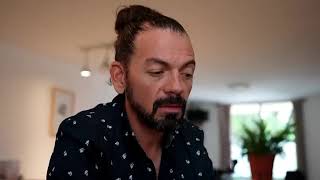
The Center for Biological Diversity exposed rampant wildlife trafficking in Mexico, where thousands of animals are illegally sold as pets. Urge Mexican authorities to stop this trade and protect biodiversity. Take action and share our video: act.biologicaldiversity.org/RgV8T-J6N0Ck6MgGIw3GiA2
The Center, a nonprofit, protects species and habitats through science, law, and media, believing human welfare is linked to nature's diversity. Read our full report on Mexico wildlife trafficking: biologicaldiversity.org/campaigns/Mexico-wildlife-trafficking/. Learn more and connect via our website and social media: biologicaldiversity.org. For media inquiries, email center@biologicaldiversity.org.

Fossil fuel pollution is devastating life on Earth, driving climate disasters and species extinction. In September, the Center for Biological Diversity mobilized 75,000 people for the March to End Fossil Fuels, demanding President Biden phase out fossil fuels. Watch our video and take action: act.biologicaldiversity.org/vjo5u3HvQ0-qJwiNsm7PHA2
The Center for Biological Diversity is a 501c3 nonprofit committed to securing a future for all species by protecting vital lands, waters, and climate through science, law, and creative media. Learn more at our website: biologicaldiversity.org. Follow us on Twitter, Facebook, Instagram, and TikTok. For inquiries, email center@biologicaldiversity.org.

Horseshoe crabs, ancient creatures vital for endangered migratory shorebirds, faced mass killing for bait. Thanks to 34,000 public comments, an agency decided to spare female crabs in 2024, though future harvests remain a concern. Read more: [Female Horseshoe Crabs Spared](https://biologicaldiversity.org/w/news/press-releases/female-horseshoe-crabs-spared-for-another-year-in-delaware-bay-2023-10-19/).
The Center for Biological Diversity is a 501c3 nonprofit. We believe human welfare is deeply linked to nature's diversity, working through science, law, and creative media to protect species and their habitats from extinction. Our goal is a wild world for future generations.
For more information, visit our [website](https://www.biologicaldiversity.org/), or connect via [Twitter](https://twitter.com/CenterForBioDiv), [Facebook](https://www.facebook.com/CenterforBioDiv/), [Instagram](https://www.instagram.com/centerforbiodiversity/), [TikTok](https://www.tiktok.com/@centerforbiodiv), or [Take Action](https://www.biologicaldiversity.org/action/). Email us at center@biologicaldiversity.org.

Explore a video of "creepy-cute critters," based on a Medium article by the Center's Cybele Knowles. Featured in our Endangered Earth newsletter (Oct. 19, 2023), this content highlights the Center for Biological Diversity's mission. As a Tucson-based 501c3 nonprofit, we secure a future for all species by protecting essential lands, waters, and climate, believing human welfare is tied to nature's diversity.
We work through science, law, and media to ensure a wild world for generations to come. Visit our website or take action. Find us on Twitter, Facebook, Instagram, and TikTok. Email center@biologicaldiversity.org for inquiries.

The American bumblebee, once thriving coast-to-coast, is rapidly declining due to habitat loss, pesticides, climate change, and disease. This alarming trend signals significant biodiversity loss.
The Center for Biological Diversity is a 501c3 nonprofit committed to securing a future for all species. We use science, law, and media to protect essential lands, waters, and climate, believing human welfare is deeply linked to nature.
Connect with us: Website | Twitter | Facebook | Instagram | TikTok | Take Action. Email inquiries to center@biologicaldiversity.org.

The Biden administration plans to waive 26 environmental laws for new border wall construction in Texas. This threatens fragile habitats near a national wildlife refuge, cutting off wildlife like cougars and bobcats from the Rio Grande, and potentially destroying endangered plants crucial for monarch butterflies. The Center for Biological Diversity actively opposes these plans.
As a 501c3 nonprofit, the Center for Biological Diversity works to protect species and their habitats through science and law, believing human welfare is linked to nature's diversity. Learn more about their fight against the wall in this article: What Happens When You Wall Off a River. For additional information, visit biologicaldiversity.org or email center@biologicaldiversity.org.

Celebrate Sea Otter Awareness Week with an adorable look at these charming marine mammals. Despite decades of conservation efforts, sea otters are still far from recovered.
The Center actively defends their Endangered Species Act protection and works to reintroduce them to California and Oregon, where the fur trade nearly eradicated them in the 20th century.
Did you know sea otters often use a favorite rock to crack open shellfish, storing it in a loose skin pouch under their forearm? Learn more about our efforts to save sea otters: https://bit.ly/3ruKqmN

President Biden recently designated the Baaj Nwaavjo I’tah Kukveni – Ancestral Footprints of the Grand Canyon National Monument, protecting nearly 1 million acres around the national park. Guided by the Grand Canyon Tribal Coalition, this action safeguards Tribal homelands and the region's watershed, culminating decades of effort.
The Center for Biological Diversity is a Tucson-based nonprofit dedicated to securing a future for all species. We use science, law, and creative media to protect the lands, waters, and climate vital for biodiversity, ensuring a wild world for future generations.
Learn more and connect with us on our website, Twitter, Facebook, Instagram, and TikTok. For questions, email us at center@biologicaldiversity.org.

On September 17, 2023, over 75,000 supporters joined us in New York City with a giant monarch butterfly, sending an urgent message to U.S. policymakers ahead of the UN climate summit: end fossil fuel extraction and boldly address the climate emergency. The future of biodiversity and human health depend on this action.
The Center for Biological Diversity is a 501c3 nonprofit dedicated to securing a future for all species. We believe human welfare is deeply linked to nature's diversity, and we use science, law, and creative media to protect the lands, waters, and climate essential for survival. For more information, visit our website or contact us at center@biologicaldiversity.org.

Whale biologists have documented the first-ever sperm whale birth, a powerful event captured by Shane Gero and the Project CETI team in the Caribbean. Gero, who has studied this specific whale family for nearly 20 years, observed an unusual gathering of 11 female whales during the birth.
The newborn was kept safe on the family's backs and heads for hours. Audio data revealed the whales transitioned from quiet to simultaneously "talking" with morse-code-like clicks, suggesting a celebration. Gero remarked, "It's hard not to see it as a celebration."
Learn more about this whale birth: [National Geographic article](https://www.nationalgeographic.com/animals/article/sperm-whale-birth-dominica). Featured in "That's Wild," Endangered Earth Online: [Endangered Earth Online article](https://www.biologicaldiversity.org/publications/earthonline/endangered-earth-online-no1211.html).

A new Government Accountability Office (GAO) report details the extreme environmental harm caused by the U.S.-Mexico border wall built under former President Trump. Constructed without environmental reviews and despite Native Tribes’ concerns, the wall destroyed critical habitats, killed countless saguaro cactuses, and impacted endangered species like ocelots and jaguars. The GAO now recommends the federal government repair this damage.
For more details on the GAO's border wall report, visit https://biodiv.us/468AaPH. Learn about our fight against the border wall here: https://biodiv.us/NoBorderWall.

Center Climate Organizer Molly Morabito emphasizes the urgent threat of fossil fuel pollution to our communities, places, and species, a reality made clear this summer. She is marching to #EndFossilFuels in NYC on September 17th and encourages others to join.
For march details, visit https://endfossilfuels.us.
If you cannot attend, you can still amplify demands by sharing the action: https://biodiv.us/EndFossilFuels.

A historic climate march is scheduled for September 17th in NYC, calling on the President and world leaders to end fossil fuels and declare a climate emergency.
Join us in NYC to take action; RSVP for details at endfossilfuels.us. If you cannot attend, please amplify our demands by sharing this action: biodiv.us/EndFossilFuels.

A new study reveals that snow flies amputate their own limbs to survive extreme cold. Scientists previously knew little about these flightless insects, which inhabit frigid, hard-to-reach alpine areas.
Now, it's understood that if a leg freezes, these remarkable insects can remove it to prevent ice crystals from reaching their bodies and freezing vital organs. They then continue walking, demonstrating a unique survival mechanism.
This discovery was featured in the Center's weekly newsletter, Endangered Earth Online, issue 1,208 (Aug. 31, 2023): Endangered Earth Online No. 1208.

Rare feather stars were filmed south of Johnston Atoll in the Central Pacific during a 2022 NOAA-funded expedition. Learn more about the expedition: https://nautiluslive.org/cruise/na141
This video, featured in the Endangered Earth Online newsletter, showcased new-to-science species, including the Antarctic strawberry feather star. These free-swimming crinoids, related to starfish and sea cucumbers, are named for their fruit-like body shape beneath 20 rhythmic arms. See pictures and read more: https://www.biologicaldiversity.org/publications/earthonline/endangered-earth-online-no1207.html
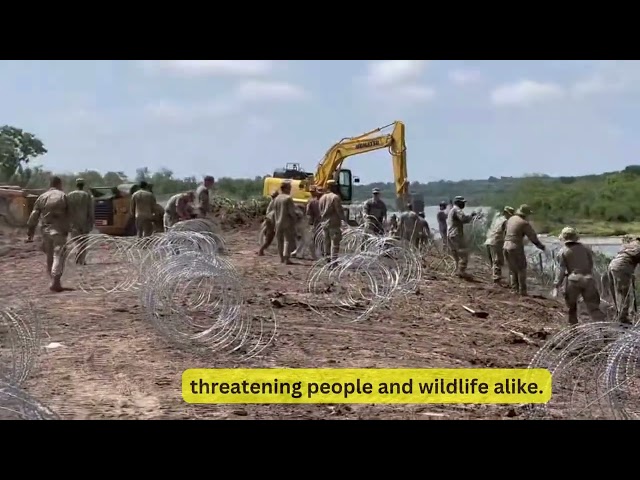
Texas Gov. Greg Abbott has deployed dangerous obstacles, including saw blades and netting, in the Rio Grande, turning the river into a "death trap" for border crossers and wildlife. Bodies were found floating in early August. Laiken Jordahl of the Center for Biological Diversity condemns these actions as "racist politics" and a "photo op," transforming south Texas's natural heritage into a war zone.
The Center for Biological Diversity, a Tucson-based nonprofit, believes human welfare is deeply linked to nature. They work to protect diverse species and their habitats through science, law, and media. Read Laiken Jordahl's full article on Medium: What Texas Should Learn From Arizona’s Border Failure. Explore their work at: biologicaldiversity.org.

Glassy-winged sharpshooters, common crop pests, consume 300 times their body weight in xylem sap daily, making them frequent urinators. Biophysicist Saad Bhamla discovered these insects efficiently expel urine using an "anal stylus" (dubbed a "butt flicker") to catapult droplets at high speed, a phenomenon he calls "superpropulsion."
Learn more about this physics-powered urination: research.gatech.edu/super-fast-insect-urination-powered-physics-superpropulsion
This research was featured in Endangered Earth Online, No. 1,205 (Aug. 10, 2023): biologicaldiversity.org/publications/earthonline/endangered-earth-online-no1205.html

The Center has sued NOAA Fisheries to enforce actual protection for 20 endangered Caribbean and Indo-Pacific coral species, including pillar and lobed star corals. While NOAA officially protected these species under the Endangered Species Act in 2014 following a Center petition, it has since refused to implement regulations to counter major threats like collection and climate change, despite a 2020 petition for such measures.
The agency also declines to monitor trade in these species, even though the U.S. is the world’s largest importer of live corals. Center lawyer Emily Jeffers emphasized, "Protection for corals shouldn’t be in name only." Learn more: biodiv.us/3DKztQo
Environmental Scientist and Advocate
What EarthSayers stands for
Discover Diverse Voices on EarthSayers
Unlike algorithm-driven platforms that push you into a content bubble, we ensure you hear a variety of perspectives from scientists, activists, Indigenous leaders, business innovators, and everyday citizens working toward sustainability.
EarthSayers CINEMA
Watch, learn and lead—sustainability starts with you.
How to Live on Earth | Feature Documentary | Presented by Benedict Cumberbatch
What if the solutions to building a better future already exist? How to Live on Earth is an ambitious documentary that explores how humanity can create a thriving future by collaborating with nature. Presented by Benedict Cumberbatch, the film reveals the potential of teaming up with nature to address our greatest challenges.
Heartwarming and energizing, it offers a hopeful vision for a future where both nature and humanity can thrive. How to Live on Earth is produced by Open Planet Studios in association with Villars Institute Foundation and Silvania. Join the conversation by downloading film assets and sharing your reaction at howtoliveonearth.net/social-toolkit. Explore educational resources from the Villars Institute at YouTube.


