




Special Collections:
Life on Earth

Welcome to BBC Earth, your home for 50 years of captivating natural history content. Discover a world of stories, beauty, and natural wonder, featuring dramatic, rare, and exclusive programming. Subscribe for more: http://bit.ly/BBCEarthSub. Stay updated with our newsletter: https://www.bbcearth.com/newsletter.
Explore a vast library including the Best of BBC Earth, thrilling Animal Fights, and extended videos. Dive into iconic series like Planet Earth III, Frozen Planet II, and Blue Planet II in 4K. Find these and more on our channel.
This is a commercial page from BBC Studios. For service information and feedback, visit: http://bbcworldwide.com/vod-feedback--contact-details.aspx.

Welcome to BBC Earth, your destination for 50 years of captivating natural history content. Explore stories, beauty, and natural wonders, from dramatic wildlife encounters to breathtaking landscapes. Subscribe for more exciting nature videos and sign up for our newsletter.
Discover exclusive content, including the Best of BBC Earth, thrilling animal fights, and full episodes from series like Planet Earth III, Frozen Planet II, and Blue Planet II in 4K. Nature doesn't get more exciting than this.
This is a commercial page from BBC Studios. For service information and feedback, please visit our contact details page.

From mighty grizzlies to the spectacled bear, this episode explores how these captivating animals overcome life's challenges. Through brains, brawn, and remarkable adaptability, they navigate finding food, raising cubs, confronting rivals, and habitat loss.
This full episode, 'Natural World: Meet The Bears' (2019), is part of BBC Earth's extensive collection of captivating natural history content. Subscribe to BBC Earth for more, or sign up for their newsletter.
This is a commercial page from BBC Studios. For service information and feedback, visit bbcworldwide.com/vod-feedback--contact-details.aspx.

Chimpanzees uniquely locate well-hidden stingless bee nests, though they must learn tool-use skills. This clip is from 'Africa' (2013), an epic series exploring the continent's diverse landscapes and mesmerising creatures.
Welcome to BBC Earth, your destination for 50 years of dramatic, rare, and exclusive natural history content. Subscribe for more amazing stories: http://bit.ly/BBCEarthSub. Sign up for our newsletter: https://www.bbcearth.com/newsletter. For feedback, visit: http://bbcworldwide.com/vod-feedback--contact-details.aspx.

Welcome to BBC Earth, your destination for 50 years of breathtaking natural history. [Subscribe](http://bit.ly/BBCEarthSub) for dramatic, rare, and exclusive content, and sign up for our [newsletter](https://www.bbcearth.com/newsletter) to stay updated.
Explore our extensive library, featuring the [Best of BBC Earth](https://bit.ly/BestOfBBCEarth), [Planet Earth III](https://bit.ly/PlanetEarthIIIPlaylist), [Frozen Planet II](https://bit.ly/FrozenPlanetIIPlaylist), and [Blue Planet II in 4K](https://bit.ly/BluePlanetII4kPlaylist). Immerse yourself in the beauty and wonder of the natural world.
This is a commercial page from BBC Studios. For service information and feedback, visit [our contact page](http://bbcworldwide.com/vod-feedback--contact-details.aspx).

Frogs compete with their songs to attract a mate in this captivating clip from 'Africa' (2013). This epic series showcases the continent's diverse landscapes and mesmerising creatures like never before. #Animals #Africa #Wildlife
Welcome to BBC Earth, your home for 50 years of dramatic, rare, and exclusive natural history content. Explore the world's beauty and wonder.
Subscribe for more: BBCEarthSub. Sign up for our newsletter: bbcearth.com/newsletter. Watch more incredible series, including Best of BBC Earth, Planet Earth III, Frozen Planet II, and Blue Planet II in 4K. For service information and feedback: bbcworldwide.com/vod-feedback.

Welcome to BBC Earth, your destination for captivating natural history. Discover amazing African animals, from leopards to aardvarks, and explore 50 years of dramatic, rare, and exclusive content showcasing the world's beauty and wonder.
For more, [subscribe](http://bit.ly/BBCEarthSub) and sign up for our [newsletter](https://www.bbcearth.com/newsletter). Dive deeper into series like [Planet Earth III](https://bit.ly/PlanetEarthIIIPlaylist) or find the [Best of BBC Earth](https://bit.ly/BestOfBBCEarth).
This is a commercial page from BBC Studios. For service information and [feedback](http://bbcworldwide.com/vod-feedback--contact-details.aspx), please visit the link.

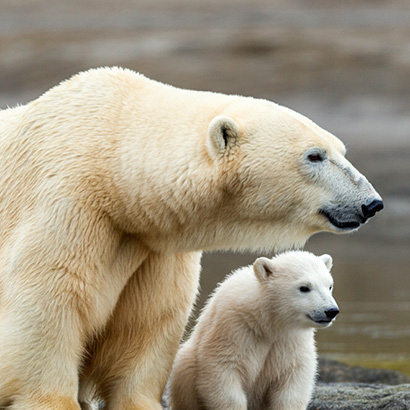
The wilderness spares no creature, as polar bears struggle to nourish cubs and snow monkeys battle for survival. Welcome to BBC Earth, your destination for 50 years of entertaining and thought-provoking natural history content, showcasing the world's beauty and wonder through dramatic, rare, and exclusive stories.
Subscribe for more captivating wildlife stories: http://bit.ly/BBCEarthSub. Sign up for our newsletter for the latest updates and exclusives: https://www.bbcearth.com/newsletter. Explore a vast library of content, including series like Planet Earth III and Frozen Planet II.
This is a commercial page from BBC Studios. For service information and feedback, please visit: http://bbcworldwide.com/vod-feedback--contact-details.aspx.

Witness a young bull elephant's desperate search for a mate in this clip from 'Africa' (2013). This epic documentary explores the continent's diverse regions, showcasing extraordinary landscapes and mesmerising creatures.
BBC Earth offers 50 years of dramatic, rare, and exclusive natural history content, revealing the world's stories and natural wonders. Subscribe for more: BBC Earth Sub, or sign up for our newsletter: BBC Earth Newsletter.
Explore further with playlists like Best of BBC Earth and Planet Earth III. For service information, visit: BBC Worldwide Feedback.

David Attenborough emphasizes the critical importance of biodiversity, detailing how its loss impacts our world and the urgent need for immediate action. Everyone can make a difference by understanding the facts.
The Royal Society, the world's oldest scientific academy, provides essential resources. Explore biodiversity at royalsociety.org/biodiversity, and learn about climate change basics here or net zero here.
Stay informed by subscribing to their email newsletter, YouTube channel, or connecting on social media.

Fewer than 20 red wolves remain in the wild, with vehicle strikes posing their greatest threat.
Through collaborative efforts, a $25 million federal grant has been secured. This funding will enable the construction of wildlife crossings, safeguarding red wolves and many other species.

Fewer than 20 red wolves remain in the wild, with vehicle strikes posing their most significant threat. To address this critical issue, we helped secure a $25 million federal grant.
This funding will enable the construction of vital wildlife crossings. These crossings will protect red wolves and dozens of other species from road accidents, offering a crucial lifeline for endangered wildlife.
Footage of Hope and her pups by James Ford.

Shirleen, a 900-pound leatherback sea turtle, swam nearly 58,000 miles in 907 days, despite threats like vessel strikes, habitat loss, and deadly fishing gear. Her journey, tracked by the Loggerhead Marinelife Center, provides vital insight into endangered leatherback movements.
The Center for Biological Diversity, a Tucson-based 501c3 nonprofit, works to secure a future for all species. They believe human welfare is linked to nature's diversity, using science, law, and media to protect vital habitats and prevent extinction.
Connect with the Center via their website, Twitter, Facebook, Instagram, or TikTok. Email center@biologicaldiversity.org for inquiries.

Despite a previously unknown jaguar sighting in southern Arizona, border-wall construction crews recently detonated explosions in Coronado National Memorial. This destruction impacts federally protected critical jaguar habitat, along with threatened Mexican spotted owls and the endangered beardless chinchweed flower.
Russ McSpadden of the Center for Biological Diversity, who filmed the destruction, stated the wall "will fracture jaguar migration routes, choke genetic diversity, and wipe out natural connections." The administration waived environmental laws to accelerate this work, setting the stage for "long-term ecological collapse."
The Center for Biological Diversity, a 501c3 nonprofit, works to secure a future for all species through science, law, and creative media. Learn more at their website: https://www.biologicaldiversity.org. For questions, email center@biologicaldiversity.org.

Yellowstone wolves were observed visiting an elk carcass. This interaction highlights a fundamental aspect of the park's ecosystem.
Such events are common in wildlife, showcasing natural predator-prey dynamics and the crucial role scavengers play in maintaining ecological balance.
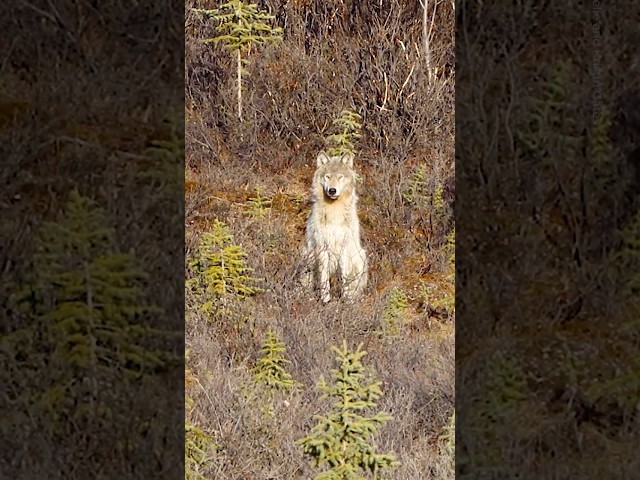
Happy 65th Anniversary to the Arctic National Wildlife Refuge!
For over six decades, this vital refuge has protected unique ecosystems and diverse wildlife, serving as a cornerstone of conservation.
Its enduring legacy is a testament to the importance of preserving America's natural heritage.
Far-right Republicans have launched another congressional "investigation" targeting the Center for Biological Diversity (CBD). CBD condemns this as a fraudulent abuse of power, designed to intimidate opponents. However, CBD remains unintimidated and is prepared to fight back aggressively.
CBD's Executive Director immediately called for Congress to investigate a real scandal: a Chilean billionaire and his mining company spent millions influencing Trump officials to reverse protections for the Boundary Waters Wilderness Area. This mine threatens endangered species and public lands. Suckling offered to testify publicly about these shady dealings, including corporate donations to the "investigators." CBD is committed to protecting wildlife and public resources.

A walrus enjoys a simple day: dining on clams and mussels, swimming, and socializing with thousands of friends on shore. They also groom their impressive tusks and whiskers.
Discover a behind-the-scenes look into the daily life of a Pacific walrus.

@wildcorwin offers insights into vital conservation efforts. Time-tested and bipartisan policies like the Marine Mammal Protection Act and Endangered Species Act have successfully recovered beloved animals, including condors, whales, and bald eagles.
Our country's wild legacy is one of protection, not destruction. Recognizing this history helps us remember the wild spirit within ourselves.

We can’t imagine Yellowstone without wolves, the Everglades without alligators, or the U.S. without bald eagles. A world without wildlife is unthinkable.
The Endangered Species Act (ESA) has protected these iconic species and many others. Its continued success relies on our commitment to protect it.
Environmental Scientist and Advocate
What EarthSayers stands for
Discover Diverse Voices on EarthSayers
Unlike algorithm-driven platforms that push you into a content bubble, we ensure you hear a variety of perspectives from scientists, activists, Indigenous leaders, business innovators, and everyday citizens working toward sustainability.
EarthSayers CINEMA
Watch, learn and lead—sustainability starts with you.
How to Live on Earth | Feature Documentary | Presented by Benedict Cumberbatch
What if the solutions to building a better future already exist? How to Live on Earth is an ambitious documentary that explores how humanity can create a thriving future by collaborating with nature. Presented by Benedict Cumberbatch, the film reveals the potential of teaming up with nature to address our greatest challenges.
Heartwarming and energizing, it offers a hopeful vision for a future where both nature and humanity can thrive. How to Live on Earth is produced by Open Planet Studios in association with Villars Institute Foundation and Silvania. Join the conversation by downloading film assets and sharing your reaction at howtoliveonearth.net/social-toolkit. Explore educational resources from the Villars Institute at YouTube.


