




Special Collections:
Life on Earth
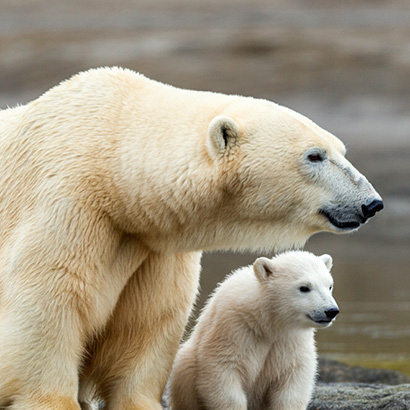

The Center for Biological Diversity is a leading organization of lawyers, scientists, and activists dedicated to protecting endangered species and habitats worldwide.
Learn more about their mission and impact: biologicaldiversity.org

The Center for Biological Diversity is a leading organization of lawyers, scientists, and activists dedicated to protecting endangered species and habitats worldwide.
Learn more about their work: biologicaldiversity.org

The Center for Biological Diversity is a leading organization of lawyers, scientists, and activists. They are dedicated to fighting for endangered species and habitat protections across the planet.
Learn more about their vital work: biologicaldiversity.org
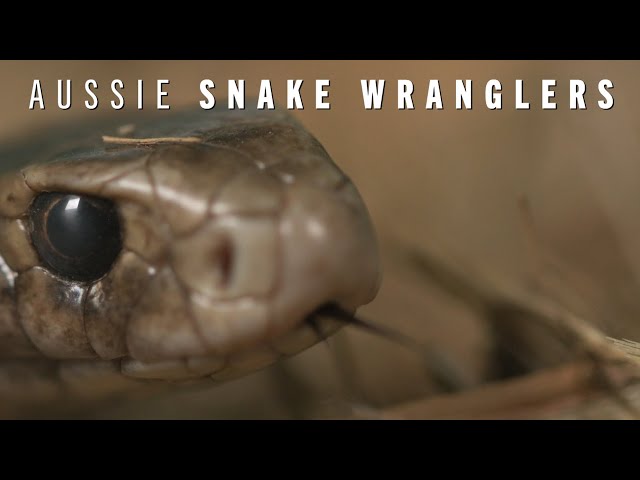
Watch Stu and Chris respond to an emergency, relocating a highly venomous eastern brown snake. This clip is from "Aussie Snake Wranglers" Season 1, Episode 7: "Hide and Seek." The series follows Australia's busiest snake-catching team. Remember, these are professionals; do not attempt this at home. Watch "Aussie Snake Wranglers" on EarthX and EarthXtra.
EarthX is a media company inspiring environmental care and promoting conservation and sustainability. As the official network of Earth Day, EarthX offers original series, documentaries, and content across cable, FAST, and digital platforms. We deliver scientific, entertaining, and educational programming to inspire action on climate and sustainability. For more, visit [EarthX Media](https://earthxmedia.com/).

"Wild Wonders with Brooke" features young conservationist Brooke Carter learning about animal and planet protection. In Season 3, Episode 2, "Zookeeper for a Day," Brooke feeds Cosmo, the San Antonio Zoo's 17-foot giraffe. This clip highlights the show's focus on learning from conservation experts and exploring the world.
EarthX, the official network of Earth Day, is a media company dedicated to inspiring conservation and sustainability. It delivers scientific, entertaining, and educational content through original series and documentaries across its 24/7 linear channel, streaming, and digital platforms, aiming to inspire care for our planet.
Watch "Wild Wonders with Brooke" Wednesdays on EarthX and EarthXtra. Explore more about EarthX Media at [earthxmedia.com](https://earthxmedia.com/) and subscribe to the [EarthX Media YouTube channel](https://www.youtube.com/@EarthXMedia) for additional clips.

The Center for Biological Diversity is a 501(c)(3) nonprofit organization of lawyers, scientists, and activists based in Tucson, Arizona. They are dedicated to protecting endangered species and their habitats across the planet.
Believing human welfare is deeply linked to nature—to the vast diversity of wild animals and plants—the Center uses science, law, and creative media to secure a future for all species. Their work focuses on safeguarding the lands, waters, and climate essential for survival, ensuring a wild world for generations to come. Learn more about their mission: biologicaldiversity.org

At the COP15 Biodiversity Conference in Montreal, John D. Liu, Paul Beckwith, Raya Salter, and Dale Walkonen provided an update. They discussed the #30by30 proposal, which aims to conserve 30% of the world's lands and oceans for nature by 2030. Key questions regarding implementation, governance, indigenous involvement, and funding remain unresolved.
Addressing the Climate Crisis requires restoring natural systems. The final agreement, crucial for this effort, is being finalized and expected by Friday, December 19th.
For more information on the state of our planet, visit the FacingFuture Library at https://facingfuture.earth/library.

EarthX Media inspires environmental conservation and sustainability through engaging content. As the official network of Earth Day, we offer original series, documentaries, and short-form content across cable, FAST, and digital platforms. Our programming delivers scientific, educational, and inspiring topics on climate and sustainability.
The "Law & Nature" series, developed by the EarthxLaw Advisory Council, features environmental thought leaders discussing critical legal and policy issues. Visit our website for more: earthxmedia.com. Follow us on social media for clips and updates: YouTube, Instagram, LinkedIn, Facebook, TikTok, Dailymotion.

EarthX is a media company dedicated to inspiring conservation and sustainability. As the official network of Earth Day, they believe our planet is a special place worth protecting. They offer original series, documentaries, and content with sustainable solutions across various platforms. Learn more at EarthX Media.
Their programming, like "Defenders of the Wild," features conservationist Ivan Carter seeking solutions for balanced wildlife ecosystems. This includes challenging tasks, such as elephant tracking, highlighted in Season 1, Episode 1: "Elephants: Land of Tusks." Join EarthX to learn more and "Love Our Planet."

The Center for Biological Diversity is a leading organization of lawyers, scientists, and activists dedicated to protecting endangered species and habitats worldwide. Learn more about their work: biologicaldiversity.org.
All footage ©2025.

Indigenous youth leaders from around the world convened virtually on April 18, 2024, at the UN Permanent Forum on Indigenous Issues (UNPFII). They shared strategies and solutions to address fossil fuel extraction, deforestation, and the climate crisis.
Drawing on Indigenous knowledge, panelists discussed defending Indigenous rights, championing self-determination, and promoting climate justice. Their goal is to forge a path toward a healthy and just climate future. Speakers included representatives from Nepal, the USA, Kenya, Norway, and Canada.

The Center for Biological Diversity is a leading organization of lawyers, scientists, and activists. They are dedicated to fighting for endangered species and habitat protections across the planet.
Learn more about their vital work by visiting their website: www.biologicaldiversity.org.

The Center for Biological Diversity is a leading organization of lawyers, scientists, and activists. They are dedicated to protecting endangered species and habitats worldwide.
Learn more about their work at www.biologicaldiversity.org.

Fewer than 25 red wolves remain in the wild, with five killed by vehicle strikes this year alone in North Carolina. These devastating losses, including that of two-year-old Muppet, highlight the urgent need for a wildlife crossing to protect this endangered species.
A generous donor has pledged a $2 million match for a Red Wolf Wildlife Crossing Fund. However, we must raise an additional $2 million in matching funds by August 31st to secure crucial federal funding for its construction.
Help secure a safer future for red wolves. Join the campaign and contribute today: biologicaldiversity.org

The Center for Biological Diversity is a leading organization of lawyers, scientists, and activists. They are dedicated to protecting endangered species and habitats worldwide.
Learn more about their work: biologicaldiversity.org

The Center for Biological Diversity is a leading organization dedicated to protecting endangered species and their habitats worldwide. Its team comprises lawyers, scientists, and activists.
Learn more about their vital work: biologicaldiversity.org

The Center for Biological Diversity is a leading organization dedicated to protecting endangered species and their habitats globally. Its team consists of lawyers, scientists, and activists.
To learn more about their work, please visit their website: biologicaldiversity.org

The Center for Biological Diversity is a leading organization of lawyers, scientists, and activists. They are dedicated to fighting for endangered species and habitat protections across the planet.
To learn more about their vital work, please visit their website: www.biologicaldiversity.org.

The Center for Biological Diversity is a leading organization of lawyers, scientists, and activists. They are dedicated to protecting endangered species and habitats globally.
For more information, visit their website: www.biologicaldiversity.org

The Center for Biological Diversity is a leading organization of lawyers, scientists, and activists. They are dedicated to protecting endangered species and habitats worldwide.
Learn more at: www.biologicaldiversity.org
Environmental Scientist and Advocate
What EarthSayers stands for
Discover Diverse Voices on EarthSayers
Unlike algorithm-driven platforms that push you into a content bubble, we ensure you hear a variety of perspectives from scientists, activists, Indigenous leaders, business innovators, and everyday citizens working toward sustainability.
EarthSayers CINEMA
Watch, learn and lead—sustainability starts with you.
How to Live on Earth | Feature Documentary | Presented by Benedict Cumberbatch
What if the solutions to building a better future already exist? How to Live on Earth is an ambitious documentary that explores how humanity can create a thriving future by collaborating with nature. Presented by Benedict Cumberbatch, the film reveals the potential of teaming up with nature to address our greatest challenges.
Heartwarming and energizing, it offers a hopeful vision for a future where both nature and humanity can thrive. How to Live on Earth is produced by Open Planet Studios in association with Villars Institute Foundation and Silvania. Join the conversation by downloading film assets and sharing your reaction at howtoliveonearth.net/social-toolkit. Explore educational resources from the Villars Institute at YouTube.


