




Special Collections:
Forests and Oceans
June brought significant developments for our oceans. The month featured positive stories, from wildlife being recognized as climate allies to remarkable deep-sea discoveries.
Don't miss these important updates on marine life and ocean conservation.

Rare underwater footage captured a faceless cusk eel, named for its unusual appearance. It lacks visible eyes; the dots on its face are actually nostrils. This fish also possesses a small, extendable mouth underneath its head, used to capture food.
NOAA scientists discovered this unique eel during a deepwater exploration of the Marianas. Its peculiar features are likely adaptations to the deep sea's low-light environment, where sight offers little advantage.
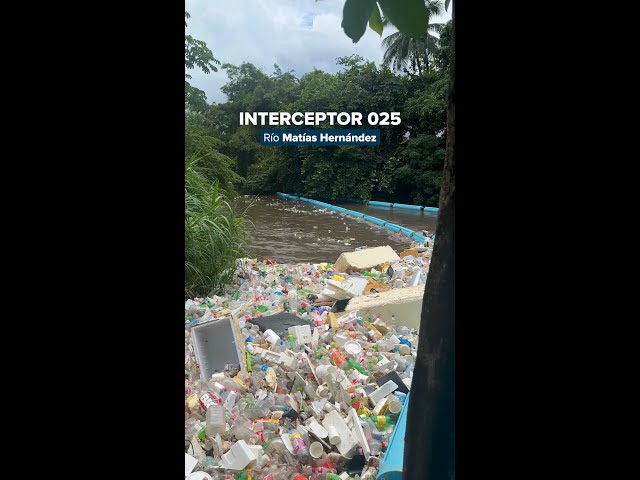
One year ago, our first Interceptor (022) launched in Panama's Río Abajo as part of the Siete Cuencas Project.
This year, we expanded operations to the Río Matías Hernández and Juan Díaz. Our efforts have prevented over 100,000 kg of trash from entering Panama Bay, significantly benefiting local communities and the environment.
Giant manta rays, severely impacted by commercial overfishing and bycatch, were listed as threatened under the Endangered Species Act (ESA) in 2018. Extensive research and recovery efforts are now underway to protect them.
The ESA has been crucial in safeguarding marine animals. We're highlighting five species it helped protect. Join us in defending this landmark law and vulnerable species by visiting https://oceana.ly/ESA.

Banded sea kraits are amphibious reptiles that hunt in coral reefs. 🐍 Like their terrestrial relatives, cobras, these snakes possess fangs containing powerful venom.
Explore more about banded sea kraits in our Marine Life Encyclopedia.

The world's biggest sporting events, such as the World Cup, should not contribute to global plastic waste. It's crucial to address the environmental impact of these major spectacles.
We urge Coca-Cola and FIFA to commit to reusable solutions and help eliminate single-use plastic from sports stadiums permanently. Take action now: Tell Coca-Cola and FIFA to commit to reuse.

Interceptor 016, situated in the Balmagie Gully, plays a crucial role in environmental protection.
This system effectively prevents trash from reaching Kingston Harbour and the Caribbean Sea, safeguarding these vital waterways.

Discover compelling stories and vital updates on ocean conservation efforts. By subscribing, you'll gain insight into the crucial work being done to protect our marine environments.
Stay informed and support the cause by visiting and subscribing to The Ocean Cleanup's official YouTube channel: The Ocean Cleanup YouTube.
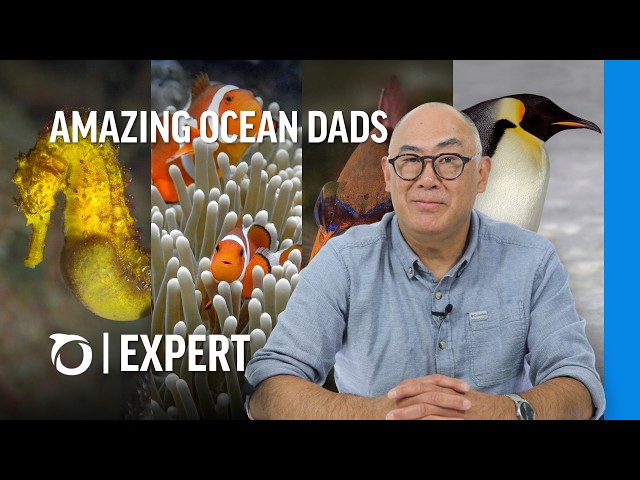
Discover the ocean's most dedicated dads! Join Philip Chou from Oceana’s Science & Strategy Team as he shares incredible stories of underwater fatherhood. Learn about seahorse males that carry and "give birth" to their young, clownfish guarding eggs, emperor penguins braving winter, and other unique paternal care strategies.
Dive in to celebrate these amazing fathers! Support Oceana by subscribing for new videos and becoming a Wavemaker to protect our oceans. Stay connected on Facebook, Instagram, X, and TikTok.

The Endangered Species Act protects over 1,600 plant and animal species, but this landmark law is constantly under threat.
Help defend these incredible creatures and their vital protections. Add your name today: https://oceana.ly/42vOuSR

In collaboration with our local partner @mareaverdepanama, we have deployed Interceptor 025 in Panama's Rio Matías Hernández. This effort aims to prevent more trash from reaching Panama Bay.
This marks the third of seven planned deployments in Panama City, integral to our Siete Cuencas project. Stay tuned for further progress updates.

Following the successful deployment of Interceptor 007 in LA's Ballona Creek, two additional Interceptors will be deployed in the Los Angeles and San Gabriel Rivers.
Together, these three Interceptors will address the 410 to 628 tons (820,000 to 1,384,503 lbs) of plastic that flows from the city to the ocean.

Interceptor 007 in Los Angeles' Ballona Creek will soon be joined by two more Interceptors in the Los Angeles and San Gabriel Rivers by 2028. This expansion aims to prevent 410-628 tons of plastic (820,000-1,384,503 lbs) from flowing from the city into the ocean. Los Angeles is a key part of our 30 Cities Program, which seeks to tackle one-third of all river plastic pollution globally by 2030.
Stay updated by subscribing to our [YouTube channel](https://bit.ly/371k8sN) and learn more at [The Ocean Cleanup website](https://www.theoceancleanup.com/). Follow us on [Facebook](https://www.facebook.com/TheOceanCleanup), [Instagram](https://www.instagram.com/theoceancleanup/), [TikTok](https://www.tiktok.com/@theoceancleanup), and [X](https://x.com/TheOceanCleanup).

Oceana, alongside other environmental groups, has filed a lawsuit challenging the Trump administration. This legal action aims to restore protections for threatened and endangered animals in the Gulf of Mexico.
We heard your concerns and are actively taking steps to safeguard these vital species.
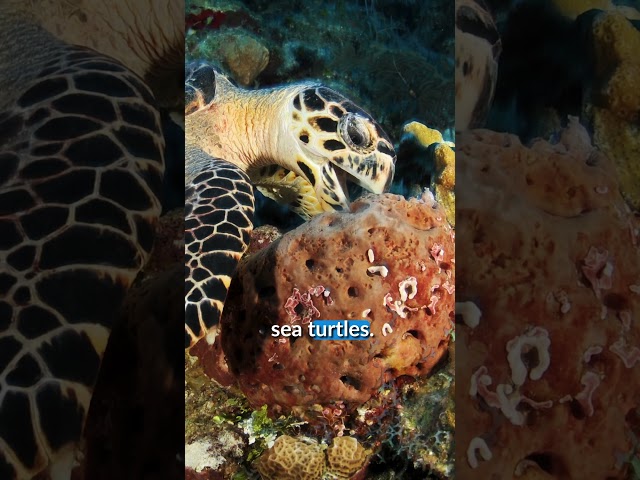
The hawksbill turtle's beak-like mouth is perfectly adapted for consuming its favorite food: sponges.
Discover more about these unique sea turtles in our Marine Life Encyclopedia: Marine Life Encyclopedia.

Gary Bencheghib and his Sungai Watch team confront plastic pollution on Indonesia's dirtiest rivers, wading through waste daily to prevent it from reaching the ocean. In a crucial TEDx talk, Bencheghib stresses that once plastic enters the ocean, it's too late. Recycling alone is insufficient; systemic change in product manufacturing is vital. He argues we must stop treating rivers as garbage bins and instead see them as mirrors of global consumption.
This crisis is deeply personal for Bencheghib. Raised in Indonesia, he began organizing beach cleanups at age 14 with his siblings. What started as a family initiative quickly evolved into a lifelong mission to protect waterways from plastic waste. https://www.ted.com/tedx

In March 1989, the Exxon Valdez tanker ran aground in Alaska's Prince William Sound, spilling 11 million gallons of oil. This catastrophic event left a lasting environmental impact, with oil still present in the spill area today.
This disaster is among the worst oil spills in U.S. history, demonstrating that offshore drilling inevitably leads to spills. Our oceans, marine life, and coastal communities bear the severe consequences.
Oppose the U.S. government's proposed expansion of offshore drilling to protect our coasts: [Protect Our Coasts](https://oceana.ly/ProtectOurCoasts)

Oceana CEO Jim Simon enjoys reading letters from kids. In a new video, he answers pressing questions from young supporters about the oceans and Oceana's vital work.
Watch the video to hear Jim discuss topics like ocean importance, Oceana's global reach, and how individuals can make an impact. The video also features drawings from young supporters.
Get involved by subscribing to Oceana or becoming a Wavemaker. Stay connected with Oceana on Facebook, Instagram, X, and TikTok.

Our team visited Venice Beach, Los Angeles, engaging with strangers to gather their insights on a specific topic.
The diverse range of opinions we encountered proved to be remarkably surprising, offering truly unexpected perspectives.
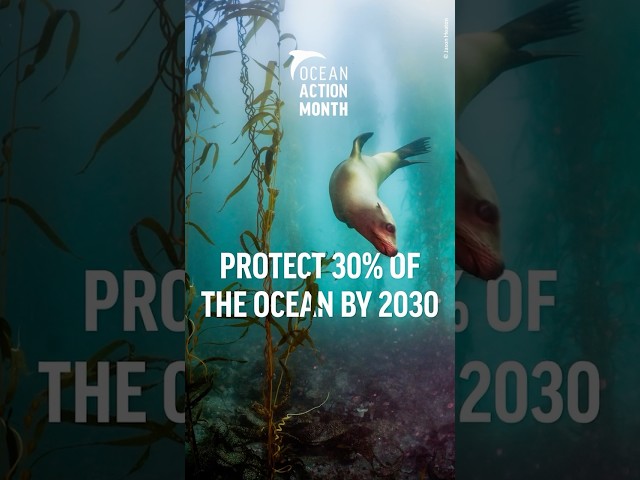
In 2022, world leaders committed to protecting 30% of our oceans by 2030. With only four years remaining, it's crucial to ensure they deliver on this vital promise.
This #OceanActionMonth, join us in urging leaders to fulfill their commitment. Take action now to safeguard marine habitats and achieve the 30x30 goal: https://oceana.ly/4xj7YIu
Environmental Scientist and Advocate
What EarthSayers stands for
Discover Diverse Voices on EarthSayers
Unlike algorithm-driven platforms that push you into a content bubble, we ensure you hear a variety of perspectives from scientists, activists, Indigenous leaders, business innovators, and everyday citizens working toward sustainability.
EarthSayers CINEMA
Watch, learn and lead—sustainability starts with you.
How to Live on Earth | Feature Documentary | Presented by Benedict Cumberbatch
What if the solutions to building a better future already exist? How to Live on Earth is an ambitious documentary that explores how humanity can create a thriving future by collaborating with nature. Presented by Benedict Cumberbatch, the film reveals the potential of teaming up with nature to address our greatest challenges.
Heartwarming and energizing, it offers a hopeful vision for a future where both nature and humanity can thrive. How to Live on Earth is produced by Open Planet Studios in association with Villars Institute Foundation and Silvania. Join the conversation by downloading film assets and sharing your reaction at howtoliveonearth.net/social-toolkit. Explore educational resources from the Villars Institute at YouTube.


