




Special Collections:
The Economy

Explore how circularity can be a smart business strategy amidst rising tariffs and supply chain disruptions. This video features Danielle Holly, North America Lead for the Ellen MacArthur Foundation, and Tensie Whelan, founder of the NYU Stern Center for Sustainable Business and former President of the Rainforest Alliance.
The Ellen MacArthur Foundation is an international charity accelerating the transition to a circular economy to tackle climate change, biodiversity loss, waste, and pollution.
Subscribe for more insightful videos: [Ellen MacArthur Foundation YouTube](https://www.youtube.com/channel/UCQAC2otE5_agzHZPnk3mE5w?sub_confirmation=1). Learn more and follow us: [Website](https://www.ellenmacarthurfoundation.org) | [Instagram](http://instagram.com/EllenMacArthurFoundation) | [LinkedIn](https://www.linkedin.com/company/ellen-macarthur-foundation/).

Amid rising tariffs and supply chain disruption, Danielle Holly (Ellen MacArthur Foundation) and Tensie Whelan (NYU Stern) discuss circularity as a smart business strategy. Tensie introduces the ROSI (Return on Sustainability Investment) framework, developed at NYU Stern, which helps companies track and monetize sustainability's value, including efficiency, risk reduction, and new revenue. They explore how circular approaches shorten supply chains and mitigate geopolitical shocks.
The discussion also addresses why companies hesitate and what's needed to engage finance and governance. The Ellen MacArthur Foundation, an international charity, accelerates the transition to a circular economy to tackle climate change, biodiversity loss, and pollution. For more insights, subscribe to their [YouTube channel](https://www.youtube.com/channel/UCQAC2otE5_agzHZPnk3mE5w?sub_confirmation=1), visit their [website](https://www.ellenmacarthurfoundation.org), or follow them on [Instagram](http://instagram.com/EllenMacArthurFoundation) and [LinkedIn](https://www.linkedin.com/company/ellen-macarthur-foundation/).

This episode of the Circular Economy Show features Conor Hill, Global Director for Circular and Sustainable Living at IKEA. He explains how IKEA embeds circular principles into its commercial strategy, making circularity affordable and accessible for customers while delivering measurable impact. Watch the full episode to learn more.
The Ellen MacArthur Foundation is an international charity dedicated to accelerating the transition to a circular economy, tackling critical challenges like climate change, biodiversity loss, waste, and pollution. Subscribe to our [YouTube channel](https://www.youtube.com/channel/UCQAC2otE5_agzHZPnk3mE5w?sub_confirmation=1) for more insights. Find out more about our work and connect with us on our [website](https://www.ellenmacarthurfoundation.org), [Instagram](http://instagram.com/EllenMacArthurFoundation), and [LinkedIn](https://www.linkedin.com/company/ellen-macarthur-foundation/).

This episode of the Circular Economy Show features IKEA's Global Director, Conor Hill, discussing how the brand embeds circular principles into its commercial strategy. IKEA's Buyback & Resell model makes second-hand feel new, delivering measurable impact while ensuring affordability and accessibility for customers.
This initiative empowers consumers to actively participate in the circular economy, enhances brand awareness and resilience, and optimizes customer loyalty using data. Watch the full episode to learn more.
The Ellen MacArthur Foundation, an international charity, accelerates the transition to a circular economy to address climate change, biodiversity loss, waste, and pollution. Find more about their work here and subscribe for insights.
The circular economy enables products to be sold multiple times, driving revenue and shifting business focus from short-term profit to long-term strategic advantages. This model addresses challenges like climate change and waste.
On The Circular Economy Show, Fin and Emily Hill (Kantar) discuss measurement guidance for marketing teams. They explore redefining success across commercial, brand, creative, and consumer insight, leveraging measurement to unlock resources for circular initiatives. Share or review the episode.
The Ellen MacArthur Foundation, an international charity, accelerates the transition to a circular economy. Subscribe on their YouTube channel, learn more at www.ellenmacarthurfoundation.org, and follow them on Instagram and LinkedIn.

In this episode of The Circular Economy Show, host Fin and Emily Hill (Kantar) discuss measurement guidance for marketing teams. They explore how marketers can support the shift to circular business models and behaviors at scale while achieving their key priorities. Watch the full episode to learn more.
The Ellen MacArthur Foundation is an international charity dedicated to accelerating the transition to a circular economy. Our mission is to tackle critical global challenges, including climate change, biodiversity loss, waste, and pollution.
Subscribe to our YouTube channel for more insightful videos: Ellen MacArthur Foundation. Find out more about our work at ellenmacarthurfoundation.org. Follow us on Instagram and LinkedIn.

Circular economy policy is increasingly moving from environmental ministries to economic and industrial authorities. In this podcast episode, Lou and Joss Blériot, the Ellen MacArthur Foundation’s Executive Policy Lead, explore what's truly happening on the ground.
The Ellen MacArthur Foundation is an international charity dedicated to accelerating the transition to a circular economy. Its mission is to address major global challenges like climate change, biodiversity loss, waste, and pollution.
Watch the full episode to learn more. Subscribe to the Ellen MacArthur Foundation YouTube channel for more videos. Find out more about our work at our website, and follow us on Instagram and LinkedIn.

Circular economy policy is increasingly shifting from environmental ministries to economic and industry authorities. In this episode, Lou and Joss Blériot, Ellen MacArthur Foundation’s Executive Policy Lead, discuss this global trend. They explore the 35% surge in national strategies, global implementation, and the need to harmonize definitions and prioritize key policy tools.
The Ellen MacArthur Foundation is an international charity accelerating the transition to a circular economy to tackle climate change, biodiversity loss, and pollution. Subscribe for more insights: YouTube. Learn more about their work: ellenmacarthurfoundation.org. Follow them on social media: Instagram, LinkedIn.

Biodiversity loss is accelerating at an alarming rate. Can circular economy solutions help turn things around? In this episode of The Circular Economy Show, Lou speaks with Marianne Kettunen (Ellen MacArthur Foundation) and Bianca Brasil (Convention on Biological Diversity) to explore this critical topic. Watch the full episode to learn more.
The Ellen MacArthur Foundation is an international charity dedicated to accelerating the transition to a circular economy. This mission addresses some of our biggest challenges, including climate change, biodiversity loss, waste, and pollution.
For more insights, subscribe to the Foundation's YouTube channel, visit their website, or follow them on Instagram and LinkedIn.
A recent episode of The Circular Economy Show explores how circular economy solutions can combat accelerating biodiversity loss. Lou, Marianne Kettunen (Ellen MacArthur Foundation), and Bianca Brasil (Convention on Biological Diversity) discuss critical connections.
They examine how resource extraction drives 90% of biodiversity loss, the role of circular business models in supporting the Global Biodiversity Framework, and actions required before COP17. The discussion also covers business engagement and integrating circular economy with biodiversity strategies.
The Ellen MacArthur Foundation, a charity accelerating the circular economy to tackle global challenges like biodiversity loss, invites you to subscribe for insights and learn more about their work.

Businesses have made progress on plastic pollution, but individual efforts face systemic obstacles. To overcome these, the Ellen MacArthur Foundation (EMF) launched the "2030 Plastics Agenda for Business," uniting companies to drive scaled implementation through business and policy actions.
The Agenda's plan and priority actions are explored in a recent episode of the Circular Economy Show. The EMF, an international charity, is dedicated to accelerating the transition to a circular economy, addressing critical global challenges like climate change, waste, and pollution.
Discover more about the Foundation's work at ellenmacarthurfoundation.org and subscribe for insightful videos on their YouTube channel.

This episode of the Circular Economy Show features Rachel O’Reilly, Global Human Sustainability Design Director at Accenture. They discuss their upcoming report, ‘Circularity is Working,’ which provides direction on improving consumer adoption of the circular economy.
The Ellen MacArthur Foundation, an international charity, accelerates the transition to a circular economy. Its mission is to tackle major challenges like climate change, biodiversity loss, waste, and pollution.
Watch the full episode for insights. Subscribe to The Ellen MacArthur Foundation on YouTube. Learn more about their work and follow them on their website, Instagram, or LinkedIn.
The Circular Economy Show features Rachel O’Reilly (Accenture) discussing their upcoming report, ‘Circularity is Working.’ This report guides consumer adoption by highlighting successful circularity examples, from Liverpool musicians reinvesting savings to Hamburg's informal sharing systems. Rachel shares insights into hidden drivers crucial for normalizing, embedding, and scaling circularity.
The Ellen MacArthur Foundation, an international charity, accelerates the transition to a circular economy to tackle global challenges like climate change and waste. Explore their work at ellenmacarthurfoundation.org. Subscribe for more videos on YouTube, and follow them on Instagram and LinkedIn.

This "Circular Snapshots" episode explores key circular economy trends. It covers the EU's Circular Economy Act, positioning circularity as industrial strategy, and the global rise of national roadmaps, with implementation as the real test. It delves into circularity's link with critical mineral supply chains (e.g., EV batteries) and a UK push for mandatory textiles Extended Producer Responsibility. Ultimately, the circular economy is becoming central to competitiveness.
The Ellen MacArthur Foundation, an international charity, accelerates the transition to a circular economy to tackle climate change, biodiversity loss, waste, and pollution. Subscribe for more videos: Ellen MacArthur Foundation YouTube. Learn more about their work: ellenmacarthurfoundation.org.

The Ellen MacArthur Foundation is an international charity promoting a circular economy. This design-driven model eliminates waste and pollution, circulates products and materials, and regenerates nature.
Subscribe for more insightful videos on our YouTube channel. Learn more about our work and follow us on our website, Instagram, and LinkedIn.

Wen-Yu Weng, Critical Minerals Lead at the Ellen MacArthur Foundation, joins Lou to explain why critical minerals are taking centre stage in global political conversations. Watch the full podcast episode to find out more.
The Ellen MacArthur Foundation is an international charity dedicated to accelerating the transition to a circular economy, tackling challenges like climate change, biodiversity loss, waste, and pollution. Subscribe for more videos: Ellen MacArthur Foundation YouTube. Learn more about our work: ellenmacarthurfoundation.org. Follow us on Instagram and LinkedIn.

Wen-Yu Weng, the Ellen MacArthur Foundation’s Critical Minerals Lead, discusses the global importance of critical minerals. She explores creating secure, resilient supply chains, circular opportunities, and factors enabling immediate action. The Ellen MacArthur Foundation is an international charity accelerating the transition to a circular economy to tackle major challenges like climate change, biodiversity loss, waste, and pollution.
Enjoyed this? Share, or leave a review on Apple Podcasts, Spotify, or YouTube. Subscribe to the [Ellen MacArthur Foundation YouTube channel](https://www.youtube.com/channel/UCQAC2otE5_agzHZPnk3mE5w?sub_confirmation=1) for more insights. Find additional information at [ellenmacarthurfoundation.org](https://www.ellenmacarthurfoundation.org) and connect with us on [Instagram](http://instagram.com/EllenMacArthurFoundation) and [LinkedIn](https://www.linkedin.com/company/ellen-macarthur-foundation/).

Join Seb and Ellen MacArthur Foundation CEO Jonquil Hackenberg to discuss the circular economy's 2026 challenges and opportunities. The Foundation is an international charity dedicated to accelerating the transition to a circular economy, tackling critical issues like climate change, biodiversity loss, waste, and pollution.
Subscribe for more insightful videos: YouTube. Discover more about our mission and connect with us on our LinkedIn page, Instagram, or website. Share your 2026 priorities in the comments!
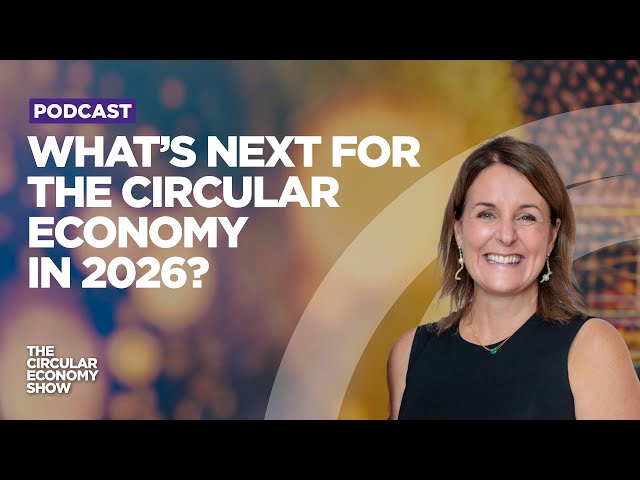
Join Seb and Ellen MacArthur Foundation CEO Jonquil Hackenberg as they discuss the circular economy's challenges and opportunities for 2026.
The Ellen MacArthur Foundation is an international charity dedicated to accelerating the transition to a circular economy, tackling critical issues like climate change, biodiversity loss, waste, and pollution.
Share your 2026 priorities in the comments or on our LinkedIn page. Subscribe for more insights: YouTube. Learn more and follow us: Website | Instagram | LinkedIn.

The Sustainable Economy Forum unites companies and institutions committed to prioritizing sustainability.
This collaborative club fosters a shared vision for a more sustainable future, driving initiatives and practices that integrate environmental and social responsibility into core operations.
Environmental Scientist and Advocate
What EarthSayers stands for
Discover Diverse Voices on EarthSayers
Unlike algorithm-driven platforms that push you into a content bubble, we ensure you hear a variety of perspectives from scientists, activists, Indigenous leaders, business innovators, and everyday citizens working toward sustainability.
EarthSayers CINEMA
Watch, learn and lead—sustainability starts with you.
How to Live on Earth | Feature Documentary | Presented by Benedict Cumberbatch
What if the solutions to building a better future already exist? How to Live on Earth is an ambitious documentary that explores how humanity can create a thriving future by collaborating with nature. Presented by Benedict Cumberbatch, the film reveals the potential of teaming up with nature to address our greatest challenges.
Heartwarming and energizing, it offers a hopeful vision for a future where both nature and humanity can thrive. How to Live on Earth is produced by Open Planet Studios in association with Villars Institute Foundation and Silvania. Join the conversation by downloading film assets and sharing your reaction at howtoliveonearth.net/social-toolkit. Explore educational resources from the Villars Institute at YouTube.


