



Special Collections:
Farming and Food Production
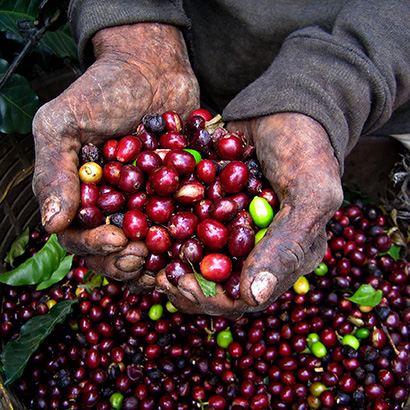

La Journée mondiale de l’alimentation, célébrée le 16 octobre dans plus de 150 pays, sensibilise à la faim et encourage l'action pour l'avenir de l'alimentation, des personnes et de la planète. En 2026, le thème sera : «Innover aujourd’hui pour nourrir demain», un appel à utiliser la science, la technologie et les connaissances traditionnelles pour créer des systèmes agroalimentaires durables.
Pour plus d'informations, abonnez-vous à la chaîne YouTube de la FAO : FAOoftheUN. Suivez la FAO sur les réseaux sociaux : Facebook, Instagram, LinkedIn, TikTok, X, Weibo.

Every year on October 16, over 150 countries celebrate World Food Day to raise awareness about hunger and encourage action for sustainable food systems. The theme for World Food Day 2026 is "Innovations Today – Food Security Tomorrow," emphasizing the need to combine science, technology, and traditional knowledge to create food systems that nourish current populations while preserving resources for future generations.
Stay connected with FAO: Subscribe on YouTube. Follow FAO on social media: Facebook, Instagram, LinkedIn, TikTok, X, Weibo. Visit us at FAO.


World Food Day is celebrated on October 16 in over 150 countries, raising awareness about hunger and inspiring action for the future of food, people, and the planet. The 2026 theme, "Innovate today. Nourish tomorrow," encourages the use of science, technology, and innovation, along with traditional knowledge, to create sustainable agrifood systems.
Stay connected with FAO by subscribing to their channel on YouTube and following them on Facebook, Instagram, LinkedIn, TikTok, X, and Weibo. For more information, visit FAO.

During the 2026 World Food Forum, Cuban President Miguel Díaz-Canel Bermúdez discussed the country's initiatives to transform its agri-food systems, enhance national food production, and pursue a more resilient, inclusive, and sustainable development. He emphasized the significance of international cooperation in addressing food security challenges and expressed gratitude for the FAO's support in strengthening local food systems.
Subscribe to the FAO on YouTube: FAOoftheUN. Follow FAO on social media: Facebook, Instagram, LinkedIn, TikTok, X, Weibo. © FAO: fao.org #SDGs #Agenda2030 #GlobalGoals

Ecuador showcases its productive wealth in the exhibition "From Seeds to Food," emphasizing cacao and tuna as products with identity, quality, and potential for high-value markets. Through the initiative "One Country, One Priority Product" (OCOP), the country aims to strengthen its value chains, promote new investment opportunities, and highlight the value of its agrobiodiversity and production.
Subscribe to our channel: FAO of the UN. Follow FAO on social media: Facebook, Instagram, LinkedIn, TikTok, X, Weibo. © FAO: fao.org #SDGs #Agenda2030 #GlobalGoals
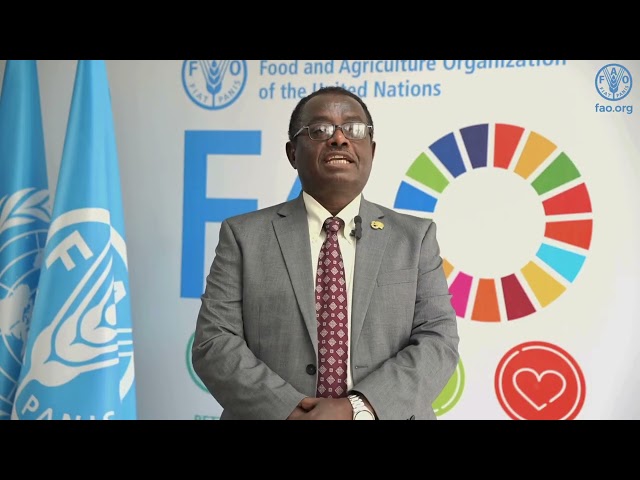
Subscribe to our channel: FAOoftheUN. In this interview, Abebe Haile-Gabriel, FAO Assistant Director-General for Africa, discusses how science and innovation can transform Africa's agrifood systems for a more food-secure future.
The Africa Forum on Harnessing Science and Innovation for Agrifood Systems Transformation (ASIF) will be held from 27 to 29 October 2026 in Addis Ababa, Ethiopia. This event will gather policymakers, researchers, and stakeholders to explore solutions for enhancing agricultural productivity and resilience. Learn more and register.

Subscribe to our channel for updates! FAO of the UN discusses how science and innovation can transform Africa's agrifood systems for a more food-secure future. Abebe Haile-Gabriel, FAO Assistant Director-General, emphasizes the need for technology to enhance agricultural productivity and resilience.
The Africa Forum on Harnessing Science and Innovation for Agrifood Systems Transformation will be held from 27 to 29 October 2026 in Addis Ababa, Ethiopia. This event will gather key stakeholders to explore solutions for sustainable agrifood systems. Learn more and register.

Did you know that #AgInnovation can be inspired by nature? Black soldier flies offer a practical bioeconomy solution for food and agriculture.
Their larvae transform #FoodWaste into high-protein livestock feed and produce valuable organic fertilizer. Learn more at FAO.

What if innovation could help us act before a swarm of #DesertLocusts becomes a crisis? The FAO utilizes the eLocust3 app, satellite data, and other tools to monitor and predict swarm movements.
This #WorldFoodDay, let’s innovate today and nourish tomorrow. Learn more at FAO.
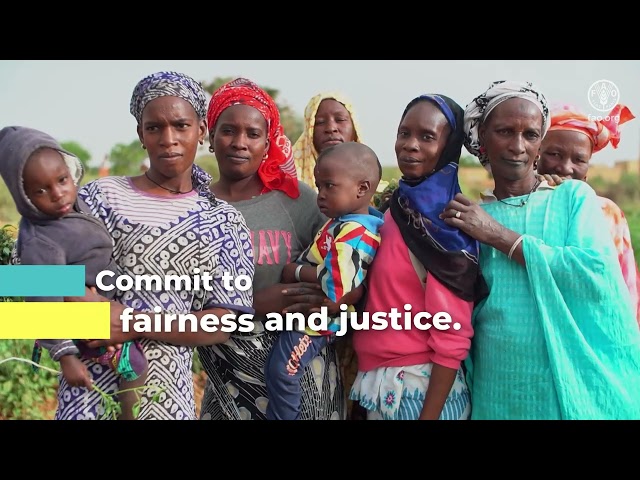
Women play a crucial role in agrifood systems, yet they face significant barriers and inequalities that limit their potential. Equal compensation and opportunities for women would benefit households and communities, enhancing economies, reducing hunger, and increasing dietary diversity.
The "Commit to Grow Equality" initiative focuses on empowering women in agrifood systems, urging partners to prioritize gender equality in their interventions. Learn more at FAO.
Subscribe to our channel here and follow FAO on social media: Facebook, Instagram, LinkedIn, TikTok, X, Weibo.

This documentary celebrates the International Year of the Woman Farmer 2026 by showcasing women in Bhutan who are preserving the country's buckwheat heritage while creating new opportunities for the future.
Follow the journey of Bhutanese buckwheat from field to mill, kitchen, and market, highlighting generations of traditional knowledge and women's vital contributions to agrifood systems. Discover more about Bhutanese buckwheat as a GI product in this video.
Subscribe to our channel here and follow FAO on Facebook, Instagram, LinkedIn, TikTok, X, and Weibo.

The Global-Hub on Indigenous Peoples’ Food and Knowledge Systems is a leading think tank that fosters intercultural knowledge co-creation. It comprises 40 institutions, 5 research networks, and over 250 experts from diverse sociocultural regions worldwide.
This initiative connects Indigenous Peoples’ knowledge with global policymaking, emphasizing its importance. The flagship publication, the White/Wiphala Paper on Indigenous Peoples’ Food Systems, is part of the White/Wiphala publication series. For more information, visit the Global-Hub.
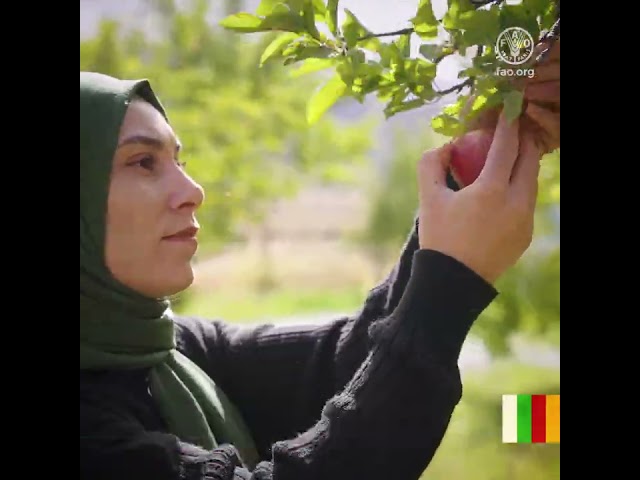
Combining innovative solutions with traditional knowledge and inclusive methods can provide everyone with access to sufficient, diverse, safe, and nutritious foods, while also protecting the planet for future generations.
Innovate today. Nourish tomorrow.
Learn more about World Food Day 2026.

The scientific bottom trawl survey is a vital tool for assessing demersal species and studying seafloor life. By towing a weighted net across the seabed, scientists collect organisms to analyze their distribution, abundance, and biology. However, this method alone cannot capture the complexity of marine ecosystems, as some species are hard to sample, and sensitive habitats require non-invasive techniques.
Innovative tools like remotely operated vehicles (ROVs) and environmental DNA (eDNA) are enhancing the ability of scientists and fisheries managers to monitor marine ecosystems. Stay connected with the GFCM on LinkedIn and X, and subscribe to the FAO on YouTube.

Este video cubre el Encuentro Anual de la Red de Alimentación Escolar Sostenible (RAES) 2026, celebrado en Comayagua, Honduras, del 25 al 28 de agosto. Organizado por la FAO y el gobierno de Brasil, el evento reunió a países miembros para intercambiar experiencias y avanzar en acciones conjuntas para mejorar la cobertura y calidad de la alimentación escolar.
Para más información, visita FAO. Suscríbete al canal de YouTube de la FAO aquí y síguenos en nuestras redes sociales: Facebook, Instagram, LinkedIn, TikTok, X, Weibo.

This video introduces the International Standards for Phytosanitary Measures (ISPMs) and explains how they create a global framework to help countries prevent the spread of harmful plant organisms and ensure safe international trade in plants and plant products.
Subscribe to the FAO YouTube channel here. Follow FAO on social media: Facebook, Instagram, LinkedIn, TikTok, X, Weibo. © FAO: fao.org #SDGs #Agenda2030 #GlobalGoals

The video showcases the launch of Phase 3 of the Africa Phytosanitary Programme (APP), led by the International Plant Protection Convention (IPPC) Secretariat, now active in 38 African countries. A train-the-trainer workshop in Addis Ababa equipped plant health experts from 18 countries with skills in pest surveillance, digital data collection, and GIS tools.
The APP aims to enhance sustainable phytosanitary systems, improve pest monitoring, support safe trade, and bolster food security across Africa.
Subscribe to the FAO on YouTube: FAOoftheUN. Follow FAO on social media: Facebook, Instagram, LinkedIn, TikTok, X, Weibo.

This video showcases the APP Strategic Partnership Forum, building on the successes of the Africa Phytosanitary Programme (APP) launched in 2023. It emphasizes the importance of partnerships, investments, and long-term support to enhance and expand the programme.
Through continued collaboration, the video illustrates how digital pest surveillance and data collection can benefit stakeholders across Africa and beyond. For more updates, subscribe to the FAO YouTube channel and follow FAO on Facebook, Instagram, LinkedIn, TikTok, X, and Weibo.

Members of the Food and Agriculture for Sustainable Transformation (FAST) Partnership convened at FAO headquarters from September 16-18, 2026, for their annual meeting. Watch FAST Members discuss the Partnership's activities.
Subscribe to the FAO YouTube channel here. Follow FAO on social media: Facebook, Instagram, LinkedIn, TikTok, X, and Weibo.
Environmental Scientist and Advocate

