




Special Collections:
Farming and Food Production
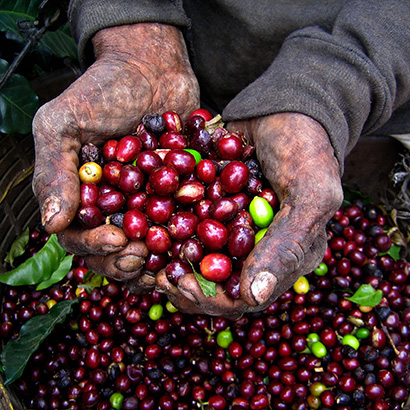

In the Indénié-Djuablin region of Côte d'Ivoire, farmers Sonia France and Victorine Akoua demonstrate how Village Savings and Loan Associations (AVEC), supported by the FAO's SAGA 2 project, bring climate finance closer to local communities. Through collective savings, loans, and technical support from the ANOUAZE Federation, women are investing in climate adaptation activities, enhancing their livelihoods, and implementing locally rooted adaptation solutions.
Subscribe to the FAO on YouTube: FAO Channel. Follow FAO on social media: Facebook, Instagram, LinkedIn, TikTok, X, Weibo.

In Côte d’Ivoire’s Indénié-Djuablin region, women farmers Sonia France and Victorine Akoua demonstrate how Village Savings and Loan Associations (VSLAs), supported by FAO’s SAGA 2 project, enhance access to climate finance. Through collective savings and loans, along with technical support from the ANOUAZE Federation, these women invest in climate adaptation and strengthen their livelihoods.
Stay connected with FAO by subscribing to their YouTube channel and following them on social media: Facebook, Instagram, LinkedIn, TikTok, X, and Weibo.

In this video interview, Gregorio Velasco Gil discusses the International Year of Rangelands and Pastoralists (IYRP2026), focusing on sustainable rangeland management and empowering pastoralist communities in restoration efforts. The FAO is committed to enhancing food security and improving agrifood systems at UNCCD COP17 and beyond.
For more information, visit the FAO website. Subscribe to the FAO YouTube channel here. Follow FAO on social media: Facebook, Instagram, LinkedIn, TikTok, X, and Weibo.

In this video interview, Xiangjun Yao highlights the importance of strong partnerships in transforming agrifood systems in Landlocked Developing Countries. At UNCCD COP17 and beyond, the FAO is committed to enhancing food security and creating more efficient agrifood systems.
For more information, visit the FAO website. Subscribe to the FAO YouTube channel here and follow FAO on social media: Facebook, Instagram, LinkedIn, TikTok, X, and Weibo.

In this video interview, Soalandy Rakotondramanga discusses the impact of degraded agricultural lands on food security, livelihoods, and resilience. The FAO and UNCCD have created new guidance aimed at preventing, reducing, and reversing agricultural land and soil degradation.
For more information, visit the FAO website. Subscribe to the FAO YouTube channel here and follow FAO on social media: Facebook, Instagram, LinkedIn, TikTok, X, and Weibo.

Kaveh Zahedi, FAO OCB Director, discusses the One Health approach, which links the health of people, animals, plants, and the environment. He emphasizes the need for biodiversity and coordinated efforts to address climate change, pollution, and ecosystem health to create resilient agrifood systems and enhance overall well-being.
Stay updated by subscribing to the FAO YouTube channel: Subscribe. Follow FAO on social media: Facebook, Instagram, LinkedIn, TikTok, X, and Weibo.

Food safety is crucial for food security; without safety, food cannot be considered safe for consumption. It connects animals, plants, humans, and the environment, playing a vital role in achieving the United Nations' 17 Sustainable Development Goals (SDGs).
Stay updated by subscribing to the FAO channel on YouTube. Follow FAO on social media: Facebook, Instagram, LinkedIn, TikTok, X, and Weibo. © FAO: fao.org #SDGs #Agenda2030 #GlobalGoals

Timely information is crucial for detecting and responding to animal disease threats. The FAO’s Event Mobile Application (EMA-i+) enhances animal disease surveillance by allowing health officials to report and validate disease events directly from the field. These reports are sent to national platforms for analysis, facilitating informed decision-making and coordinated action.
EMA-i+ connects with national and digital systems to support faster information exchange across animal, human, and environmental health. From initial field observations to national responses, EMA-i+ ensures that the right information reaches the right place at the right time. For more details, visit FAO EMA-i+.

Enrico Perotti, FAO IPPC Secretary, emphasizes that safeguarding plant health is crucial for our food supply, ecosystems, and future. The One Health approach, along with the IPPC, plays a vital role in preventing, detecting, and addressing plant health threats, thereby enhancing food security, promoting safer trade, and fostering resilient ecosystems.
Stay connected with FAO by subscribing to their YouTube channel: Subscribe. Follow FAO on social media: Facebook, Instagram, LinkedIn, TikTok, X, and Weibo.
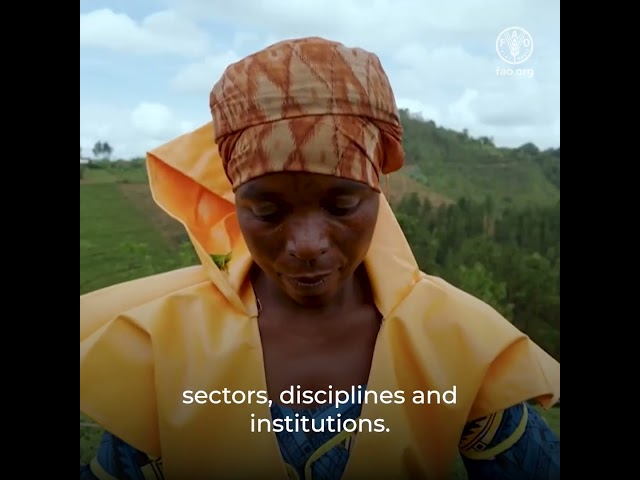
Yurdi Yasmi, NSP Director, emphasizes the importance of healthy plants for food security, nutrition, and resilient ecosystems. He advocates for a One Health approach that fosters collaboration across sectors to ensure sustainable plant health, protecting food, livelihoods, and the environment.
Stay connected with FAO by subscribing to their YouTube channel here. Follow FAO on social media: Facebook, Instagram, LinkedIn, TikTok, X, and Weibo.

Thanawat Tiensin, FAO ADG and NSA Director, emphasizes the need for a coordinated One Health approach to address interconnected challenges like animal diseases, food safety risks, climate change, and biodiversity loss. He underscores the importance of robust animal health systems in safeguarding food security, livelihoods, and human well-being.
Stay updated by subscribing to our channel: FAO YouTube. Follow FAO on social media: Facebook, Instagram, LinkedIn, TikTok, X, and Weibo.

The "Interregional Dialogues for Family Farming" initiative, launched in 2025, promotes the exchange of innovative solutions among countries to strengthen family farming. The 2026 edition focuses on land access and tenure governance, aligning with the DNUAF objectives and the Voluntary Guidelines on Responsible Governance of Tenure (VGGT).
The first session, held from June 22 to 24 in Brasilia, Brazil, was organized with the Government of Brazil and the FAO's South-South Cooperation program. This initiative also supports global agendas like ICARRD+20 and the Global Alliance Against Hunger and Poverty.
More information can be found at FAO. Follow FAO on Twitter and other social media platforms.

The Bhutan Agrifood Trade and Investment Forum (BATIF) 2.0 served as Bhutan's key platform for enhancing agrifood trade, investment, and strategic partnerships. It united the Royal Government of Bhutan, agribusiness leaders, investors, and technical partners to turn priority opportunities into actionable collaborations.
Building on BATIF 2024, this forum focused on structured engagement and investment readiness, facilitating practical deal-making. It aimed to support Bhutan's agrifood transformation by aligning policy priorities with investment opportunities to foster sustainable growth in the sector.
Subscribe! YouTube | Follow FAO on Facebook, Instagram, LinkedIn, TikTok, Twitter, Weibo
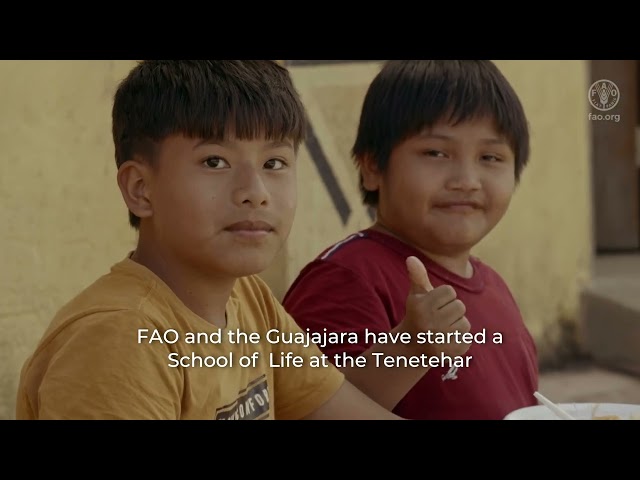
This video highlights the early stages of the Indigenous Peoples’ Biocentric Restoration Global Programme in Brazil's Guajajara territory. Following years of degradation from livestock production and wildfires, the area is being revitalized through Indigenous knowledge, with a focus on fire management and the efforts of Indigenous fire brigades.
For more information, visit the FAO website. Subscribe to our channel here and follow us on Facebook, Instagram, LinkedIn, TikTok, Twitter, and Weibo.

This video highlights the early stages of the Indigenous Peoples’ Biocentric Restoration Global Programme in the newly recognized Tapeba territory in Brazil, where sacred tree species have been lost due to various external pressures. Restoration efforts inspired by Indigenous knowledge are helping these trees and their ecosystems recover.
For more information, visit the FAO website. Subscribe to our channel here and follow us on Facebook, Instagram, LinkedIn, TikTok, Twitter, and Weibo.

This closing video for the CERF Anticipatory Actions Project in Honduras highlights efforts to enhance food security and livelihoods for 2,500 households across five municipalities in the Dry Corridor: Reitoca, Alubarén, Curarén, Texiguat, and Vado Ancho. Through testimonials and field images, it illustrates how anticipatory actions helped families prepare for drought risks with irrigation, seeds, fertilizers, animal health, training, and community grain storage mechanisms.
The video showcases the experiences of families and the lasting capacities developed within their communities.
Subscribe to our channel: FAOoftheUN. Follow FAO on Facebook, Instagram, LinkedIn, TikTok, Twitter, and Weibo.

This video from Karamoja, Uganda, showcases the extensive knowledge of pastoralists regarding their rangelands. Through the experiences of Maria Koriang, Longoli John, and others, it discusses livestock mobility, changing grazing conditions, and the necessity for grazing areas to recover. It also emphasizes the often-overlooked contributions of pastoralist women in land, water, plants, and animal care.
Produced by the FAO project Boosting Evidence on Biodiversity and Gender for Sustainable Livestock Transformation in collaboration with COPACSO, the video reflects findings on the interactions between pastoral systems, gender, and biodiversity. For more information, visit the FAO Knowledge Repository.

In Karamoja, Uganda, Nyangan Sidore Koriang, a young pastoralist and youth advocate, engages with local youth on issues like land rights, climate change, and livestock management. This video captures her insights on the cultural significance of livestock, the challenges of changing grazing and water conditions, and the urgent need for rangeland restoration and youth involvement in decision-making.
Produced through the FAO project on biodiversity and gender, Koriang's story illustrates how young pastoralists leverage local knowledge and advocacy to influence the future of Karamoja’s pastoral systems. For more information, visit the FAO Knowledge Repository.
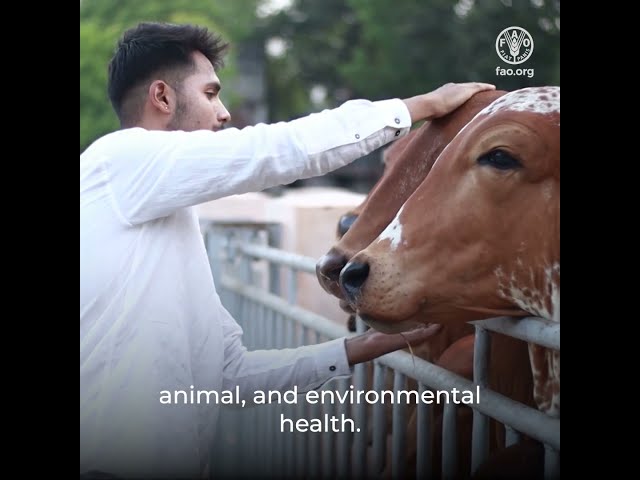
Sarah Cahill, FAO CODEX Secretary, explains how Codex standards support a One Health approach by highlighting the connection between human, animal, plant, and environmental health. This approach promotes coordinated actions across the agrifood system to ensure safer food and healthier populations.
Stay updated by subscribing to the FAO YouTube channel. Follow FAO on social media: Facebook, Instagram, LinkedIn, TikTok, Twitter, and Weibo. © FAO: www.fao.org #SDGs #Agenda2030 #GlobalGoals

Lifeng Li, FAO NSL Director, highlights that healthy land, soil, and water are crucial for One Health. Protecting these resources is vital for ensuring food security, biodiversity, and resilient agrifood systems.
Stay connected with FAO by subscribing to their YouTube channel here. Follow FAO on social media: Facebook, Instagram, LinkedIn, TikTok, Twitter, and Weibo.
Environmental Scientist and Advocate
What EarthSayers stands for
Discover Diverse Voices on EarthSayers
Unlike algorithm-driven platforms that push you into a content bubble, we ensure you hear a variety of perspectives from scientists, activists, Indigenous leaders, business innovators, and everyday citizens working toward sustainability.
EarthSayers CINEMA
Watch, learn and lead—sustainability starts with you.
How to Live on Earth | Feature Documentary | Presented by Benedict Cumberbatch
What if the solutions to building a better future already exist? How to Live on Earth is an ambitious documentary that explores how humanity can create a thriving future by collaborating with nature. Presented by Benedict Cumberbatch, the film reveals the potential of teaming up with nature to address our greatest challenges.
Heartwarming and energizing, it offers a hopeful vision for a future where both nature and humanity can thrive. How to Live on Earth is produced by Open Planet Studios in association with Villars Institute Foundation and Silvania. Join the conversation by downloading film assets and sharing your reaction at howtoliveonearth.net/social-toolkit. Explore educational resources from the Villars Institute at YouTube.


