




Special Collections:
Forests and Oceans
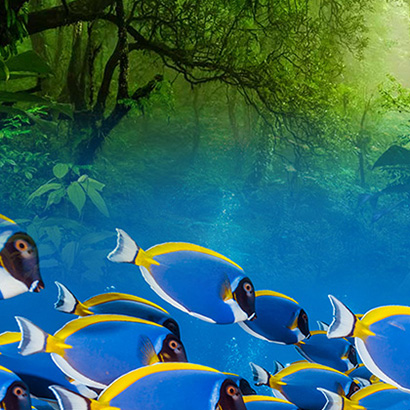

The coconut octopus earns its name by constructing dens from discarded coconut shells found on muddy coastal seafloors. Discover more: https://bit.ly/2yAQi2B
Subscribe to our channel and join our community of Wavemakers!
Stay connected with us on Instagram: https://www.instagram.com/oceana/, Twitter: http://twitter.com/oceana, and Facebook: https://www.facebook.com/oceana/.

Fossil fuel companies are projected to become the world's largest plastic producers by 2025. This expansion will lead to a significant increase in plastic waste, further exacerbating air and water pollution.
Join the fight to stop plastic polluters and protect our environment: BiologicalDiversity.org/StopPlasticPolluters

Access the full "Hindsight 2020" report directly on the Oceana website: oceana.org/hindsight2020.
Music for this project was provided by Adam Lindquist, available at adamlindquist.com, and Spearfisher, found at sprfshr.com.

Music for this project is composed by Adam Lindquist.
Explore more of his work by visiting his official website: adamlindquist.com.
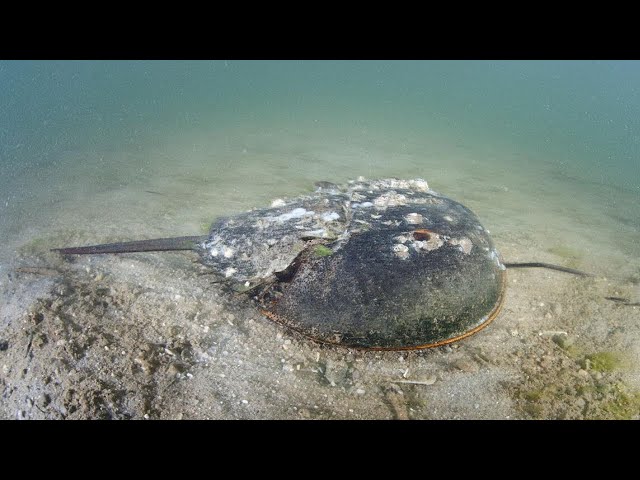
The American horseshoe crab is neither a true crab nor a crustacean, being more closely related to spiders and scorpions. These ancient creatures roamed the seafloor over 200 million years before dinosaurs existed. Learn more in our Marine Life Encyclopedia.
Join our community of Wavemakers! Subscribe to our channel.


Sir David Attenborough has shared an update from Blue Planet II regarding plastic consumption.
Born on 8 May 1926, Sir David Frederick Attenborough is an English broadcaster and natural historian. He is renowned for writing and presenting the BBC's "Life collection," a series of nine natural history documentaries that comprehensively survey Earth's animal and plant life.

"A Plastic Ocean" is an adventure documentary filmed over four years across more than 20 locations.
Explorers Craig Leeson and Tanya Streeter, with international scientists, reveal the causes and consequences of plastic pollution, offering solutions.

The southern rockhopper penguin is named for its distinctive hopping behavior on land, a trait that sets it apart from most other penguins. Unlike their more awkward counterparts, rockhoppers navigate terrestrial environments with surprising agility. Learn more: https://bit.ly/3bYatVU
Join our community of Wavemakers by subscribing to our channel.

The Peacock mantis shrimp, a vibrant crustacean inhabiting Indo-Pacific coral reefs, is renowned for its incredibly fast and powerful punch.
This strike, delivered with specialized front appendages, is among the fastest movements in the animal kingdom. It is strong enough to shatter aquarium glass and effectively dispatch prey.
Learn more: https://bit.ly/3aSd9EN

Peru's ocean is the world's most productive marine ecosystem, featuring the unique Nazca Ridge. However, less than 0.5% of Peru's ocean is currently protected, leaving this vital habitat vulnerable.
Join Oceana in urging President Vizcarra to establish the Nazca Ridge Marine Protected Area. This crucial step will help restore Peru's abundant oceans for future generations. Take action here: https://bit.ly/2UyXTXj

Explore different ray species in Oceana's Marine Life Encyclopedia: https://bit.ly/3blpPno
Subscribe to our channel and join our community of Wavemakers! p>
Connect with us on social media: Instagram: https://www.instagram.com/oceana/, Twitter: http://twitter.com/oceana, Facebook: https://www.facebook.com/oceana/.

The scarlet frogfish, an ambush predator of Indian and Pacific coral reefs, is a master of disguise. Difficult to spot, it uses modified fins resembling legs to move and rest, which gives it its common name. Learn more: http://bit.ly/33tS4xt
Subscribe to our channel and join our community of Wavemakers! Stay connected with us on: Instagram: https://www.instagram.com/oceana/, Twitter: http://twitter.com/oceana, and Facebook: https://www.facebook.com/oceana/
In her reflection titled "Disconnection," Julia Butterfly Hill introduces "separation syndrome" as the fatal consequence of severing our ties to life. She illustrates this by noting that a plant dies when its roots are ripped from the earth, mirroring how humanity perishes when we detach from our connected consciousness.
Hill argues that this profound disconnection leads to the demise of our planet, our human families, and the entire global family. Her message underscores the critical importance of recognizing and nurturing our interconnectedness for collective survival.

Nearly $1 million in shark fins were seized at Miami's port. Demand a U.S. fin trade ban by calling for #FinBanNow: http://bit.ly/2PNaUK7
Subscribe to our channel and join our community of Wavemakers.
Stay connected with us on social media: Instagram, Twitter, and Facebook.

Our oceans are overwhelmed by plastic pollution. The U.S. Congress has introduced the Break Free From Plastic Pollution Act, a landmark bill designed to phase out single-use plastics and shift the responsibility for waste to producing companies.
Protect marine life and our oceans by urging your members of Congress to support this vital legislation. Take action now: http://bit.ly/2Ic52Ga.
Join our community of Wavemakers! Subscribe and stay connected with us: https://www.instagram.com/oceana/, http://twitter.com/oceana, https://www.facebook.com/oceana/.
Environmental Scientist and Advocate
What EarthSayers stands for
Discover Diverse Voices on EarthSayers
Unlike algorithm-driven platforms that push you into a content bubble, we ensure you hear a variety of perspectives from scientists, activists, Indigenous leaders, business innovators, and everyday citizens working toward sustainability.
EarthSayers CINEMA
Watch, learn and lead—sustainability starts with you.
How to Live on Earth | Feature Documentary | Presented by Benedict Cumberbatch
What if the solutions to building a better future already exist? How to Live on Earth is an ambitious documentary that explores how humanity can create a thriving future by collaborating with nature. Presented by Benedict Cumberbatch, the film reveals the potential of teaming up with nature to address our greatest challenges.
Heartwarming and energizing, it offers a hopeful vision for a future where both nature and humanity can thrive. How to Live on Earth is produced by Open Planet Studios in association with Villars Institute Foundation and Silvania. Join the conversation by downloading film assets and sharing your reaction at howtoliveonearth.net/social-toolkit. Explore educational resources from the Villars Institute at YouTube.


