



Special Collections:
Oceans

Sea lions and true seals are distinct.
Can you identify their differences? p>

Symbiosis describes the close, long-term interactions between different biological species. These relationships are incredibly diverse, encompassing everything from mutually beneficial partnerships to those where one organism benefits at another's expense, or even where both are harmed.
Whether these interactions manifest as "best friends forever" or "mortal enemies" depends entirely on the specific nature of the symbiotic relationship. Understanding symbiosis reveals the intricate web of life, where cooperation and conflict are fundamental forces shaping ecosystems.

Seals are frequently observed adopting unusual postures.
What is the reason behind their banana-like posing?

Do you know the differences between various sea cows?
These fascinating marine mammals, including manatees and dugongs, possess distinct characteristics.
Understanding these unique traits enhances our appreciation for their adaptations and roles in marine ecosystems.

Marine iguanas, unique to the Galápagos Islands, are fascinating reptiles known for their aquatic lifestyle.
Unlike most lizards, these remarkable creatures spend considerable time underwater, foraging for algae on the seabed. Their ability to dive and swim efficiently allows them to thrive in their coastal habitats.

Imagine diving into ancient oceans, encountering creatures long extinct. Would you dare to swim alongside a colossal Megalodon, its jaws capable of crushing anything in its path? Or perhaps a powerful Mosasaur, the apex predator of the Late Cretaceous seas?
These magnificent, yet terrifying, marine animals once ruled the deep. Their sheer size and predatory nature make us wonder about the courage it would take to share their waters.
So, the question remains: would you take a swim with any of these extinct marine animals?

Do you know the nautilus? This ancient marine creature, a cephalopod related to octopuses and squids, is often called a "living fossil."
It is renowned for its distinctive, chambered shell, which it uses for buoyancy control. The nautilus has survived in the oceans for millions of years, largely unchanged in form.
Its unique biology and remarkable longevity make it a truly fascinating subject.

A crisis is unfolding off the U.S. West Coast as migrating whales become entangled in Dungeness crab fishing gear. Once entangled, whales drag heavy traps and lines for weeks or months, enduring severe wounds.
These entanglements cause deep cuts, infection, and disease, making it difficult for whales to swim, feed, and breathe. This often leads to their death. Join Oceana to help protect whales from these deadly entanglements off California, Oregon, and Washington.

The notion of penguins in Africa often sparks surprise, yet it is indeed a reality. Africa hosts a distinct penguin species, defying common perceptions of their icy habitats.
The African penguin (Spheniscus demersus) inhabits the southwestern coast of Africa, primarily found in South Africa and Namibia. These birds are well-adapted to the region's temperate waters, sustained by the nutrient-rich Benguela Current.

Navigating the ocean without proper identification is like driving at night without headlights – unsafe and lacking accountability. The Automatic Identification System (AIS) provides crucial visibility, serving as the "eyes of the boat" to enhance safety and transparency at sea.
Stay informed and follow our work on social media. Connect with us on [Instagram](https://www.instagram.com/oceana/), [Twitter](http://twitter.com/oceana), and [Facebook](https://www.facebook.com/oceana/).

Squids demonstrate a clear aversion to overeating. Maintaining an optimal body mass is crucial for their survival, directly impacting their buoyancy and agility within the water column.
Excessive consumption could impede their rapid escape from predators or efficient pursuit of prey, making controlled food intake a vital aspect of their predatory lifestyle.

Understanding how to prevent ecosystem collapse is vital. The health of our planet hinges on maintaining ecological balance, which supports all life forms and natural processes.
Effective strategies involve adopting sustainable practices, vigorously pursuing conservation, and significantly reducing pollution. Protecting biodiversity and preserving natural habitats are fundamental to these efforts.
Ultimately, safeguarding these delicate systems demands global cooperation and a steadfast commitment to environmental stewardship, ensuring a resilient future for everyone.

The Blue Glaucus, though small, is remarkably potent.
Despite its diminutive size, this sea slug possesses a significant defense mechanism, making it a formidable creature in its habitat.

Distinguishing between genuine and deceptive appearances can be challenging, especially in the natural world.
Animal mimics often employ clever strategies, making it difficult to discern whether they are truly what they seem or merely imposters.

Octopus, squid, and cuttlefish are truly fascinating marine animals. These intelligent creatures, collectively known as cephalopods, exhibit a remarkable array of adaptations and behaviors.
From their incredible camouflage abilities to complex problem-solving skills, these captivating invertebrates continue to intrigue scientists and enthusiasts alike with their unique characteristics.

Discover fascinating facts about the world's largest fish, the majestic whale shark. This gentle giant, a filter-feeder, can grow to immense sizes, dominating ocean ecosystems.
Explore its unique biology, migratory patterns, and conservation status. Learn why this incredible creature is vital to marine biodiversity and what efforts are being made to protect it.

Explore the ocean's profound depths.
Discover the mysteries hidden within its dark waters.

These penguins reside on Africa's southern coast.
This unique habitat supports their population.

Get ready to discover some fascinating details.
We'll be sharing a few fun facts about these furry creatures.

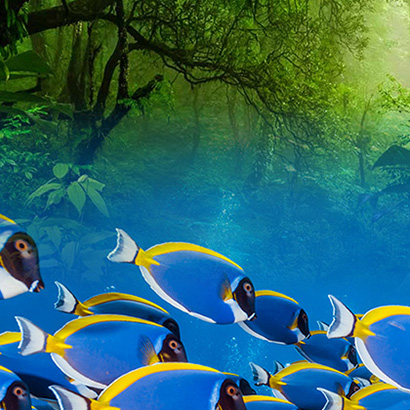
These particular fish are renowned for their feisty nature. They exhibit a surprisingly strong temper, often displaying aggression towards tank mates or even their own reflections.
Their spirited disposition requires careful consideration for tank setup and species compatibility. Owners must be prepared for their assertive behavior.
Environmental Scientist and Advocate

