




Special Collections:
Plastic in Our Oceans

Thank you for your interest in helping us achieve clean oceans. We've launched a new volunteer database to connect passionate individuals with hands-on opportunities in countries where support is most needed.
By signing up, you enable our local partners to reach out for on-ground assistance with vital activities. These include coastal and mangrove cleanups, awareness campaigns, citizen science projects, and other crucial initiatives.
Learn more and register to volunteer here: https://bit.ly/4qOwQEs

The new year has begun with important work. Interceptor 022 in Rio Abajo, Panama, recently received a significant upgrade.
It now features two new barriers, designed to boost its efficiency and prevent even more trash from reaching the ocean.

Our ocean cleanup system undergoes continuous testing and efficiency improvements. This year, our primary objective is to scale up river technology.
By deploying Interceptors in 30 key cities, we aim to reduce plastic flow from rivers to the ocean by up to one-third by 2030.

July saw The Ocean Cleanup advance its mission to clear ocean plastic. Efforts concentrated on active cleanup operations and vital research.
Progress included deploying and refining innovative systems. Teams diligently collected substantial debris, fostering healthier marine ecosystems.
The organization remains committed to its long-term goals, supported by dedicated staff and global partners. Further updates will detail specific achievements.

Our initial vision has successfully become a reality.
Stay tuned for more updates on our ocean operations, expected later this week.

Our technology can clean the Great Pacific Garbage Patch, with net benefits far outweighing potential downsides. We are enhancing cleanup efficiency through basin and drone tests, continuously mapping plastic accumulations to catch more in less time.
Explore our AI camera technology (ADIS) explainer video and subscribe for updates. Learn more and support us at theoceancleanup.com, and follow The Ocean Cleanup on Facebook, Instagram, TikTok, and X.

For a comprehensive understanding, we encourage you to watch the entire video presentation.
Click here to view the full content: https://youtu.be/OYrXldOVkn4?si=oU_Xj3yl4yTZkYX0

An unprecedented event recently occurred in Guatemala: "trash tsunamis" were intercepted on two consecutive days.
This marks the first time such back-to-back environmental challenges have been successfully addressed.

Our initiative, which faced an initial setback in 2022, has since achieved a significant milestone. To date, we have successfully prevented over 23,600,000 kg of material from entering the vital Gulf of Honduras ecosystem.
This remarkable progress underscores our commitment and impact. We now look forward, eager to define the next phase of our mission and continue our efforts.

Between 100,000 and 300,000 tons of plastic enter the world’s oceans via rivers annually, adding to the 100,000 tons already polluting the Great Pacific Garbage Patch. This urgent global mission demands immediate action.
Solving this requires a multifaceted approach: intercepting river plastic, cleaning up existing pollution, fostering partnerships, and securing worldwide support. This vital work is already underway.
Stay updated by subscribing here. Learn more and support us at The Ocean Cleanup. Follow us on Facebook, Instagram, TikTok, and X.


Our local partner, Marea Verde, recently discovered a surprising array of items within the Interceptor 022 catch from Rio Abajo. 🇵🇦
These unexpected findings highlight the diverse and often unusual debris polluting our waterways, underscoring the critical need for continued cleanup efforts and improved waste management.


Interceptors are slated for deployment in Mumbai, India.
This initiative, a collaboration with the Bharat Clean Rivers Foundation, aims to combat plastic pollution in the nation's rivers.
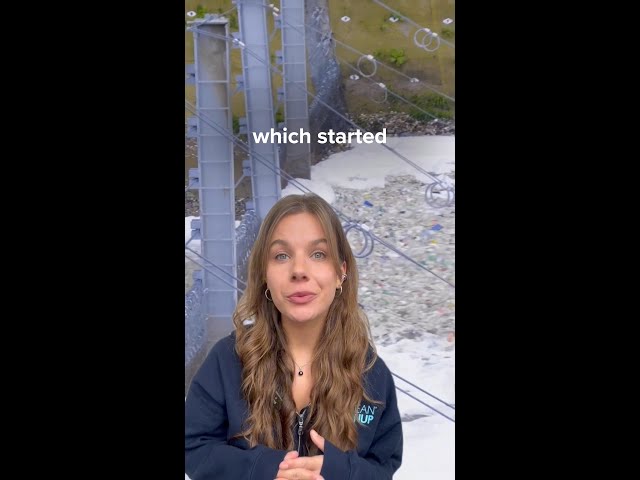


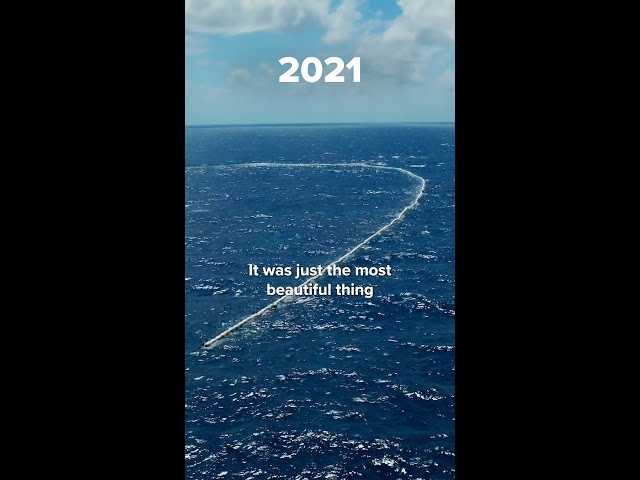
We are not currently in the GPGP. Our focus is on improving operations for enhanced efficiency.
Watch our ocean update video: https://youtu.be/OYrXldOVkn4?si=b9CuANxp-Vt340t9
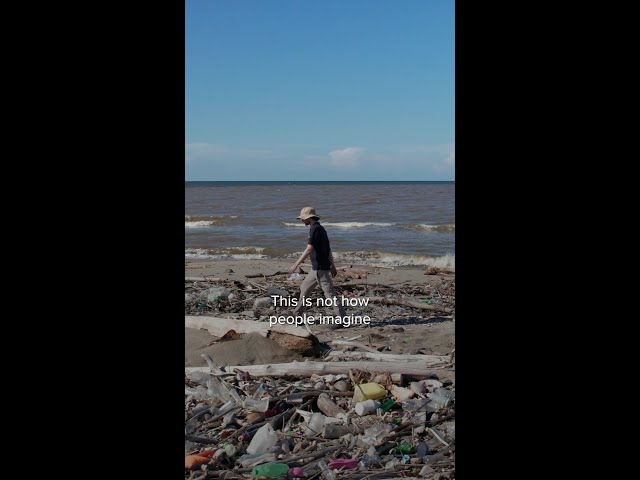
Explore the current impact of our operations in Guatemala and the strategic goals we are working towards. This video provides direct insights from both the local community and our dedicated team.
Watch the full discussion here: https://youtu.be/X7DYXrP3wvs
Environmental Scientist and Advocate
What EarthSayers stands for
Discover Diverse Voices on EarthSayers
Unlike algorithm-driven platforms that push you into a content bubble, we ensure you hear a variety of perspectives from scientists, activists, Indigenous leaders, business innovators, and everyday citizens working toward sustainability.
EarthSayers CINEMA
Watch, learn and lead—sustainability starts with you.
How to Live on Earth | Feature Documentary | Presented by Benedict Cumberbatch
What if the solutions to building a better future already exist? How to Live on Earth is an ambitious documentary that explores how humanity can create a thriving future by collaborating with nature. Presented by Benedict Cumberbatch, the film reveals the potential of teaming up with nature to address our greatest challenges.
Heartwarming and energizing, it offers a hopeful vision for a future where both nature and humanity can thrive. How to Live on Earth is produced by Open Planet Studios in association with Villars Institute Foundation and Silvania. Join the conversation by downloading film assets and sharing your reaction at howtoliveonearth.net/social-toolkit. Explore educational resources from the Villars Institute at YouTube.


