



Special Collections:
Wisdom Keepers


N. Scott Momaday, a celebrated writer, teacher, artist, and storyteller, will discuss his career at The City Club of Cleveland, Ohio, on September 28, 2018.
Momaday has dedicated his life to preserving Native American culture and oral tradition. Author of 13 books, he won the 1969 Pulitzer Prize for Fiction for *House Made of Dawn*, considered the first novel of the Native American Renaissance. His accolades include the 2007 National Medal of Arts and the 2018 Anisfield-Wolf Book Award for Lifetime Achievement.

Norman Patrick Brown expresses concerns regarding environmental exploitation on the Navajo Nation.
For more information, visit Bioneers.org.

Larry Littlebird, a Pueblo Indian from Laguna/Santo Domingo Pueblos, New Mexico, founded Hamaatsa, 320 acres of ancestral land, where he models a spiritual relationship with the land. He embodies traditional wisdom, living in kinship with all beings. For over 40 years, Larry has served as a life coach, speaker, and artist. His multi-faceted background as a Native filmmaker, master storyteller, and wilderness facilitator, combined with his Pueblo culture and oral tradition, informs his unique coaching style, celebrating an indigenous holistic way of life. Learn more about Larry Littlebird here.
Support Bioneers to spread knowledge and hope. Discover more at Bioneers.org.

Pueblo people have a 400-year history of sustainability and self-reliance, a tradition disrupted by Spanish land policies. Today, they are actively working to restore these vital practices within their communities.
Greg Cajete, a Tewa Indian from Santa Clara Pueblo, New Mexico, is a leading voice in this effort. He serves as Director of Native American Studies and an Associate Professor at the University of New Mexico, holding a Ph.D. with an emphasis in Native American Studies.
Support the spread of knowledge and positive change by making a gift to Bioneers. Learn more at www.bioneers.org.
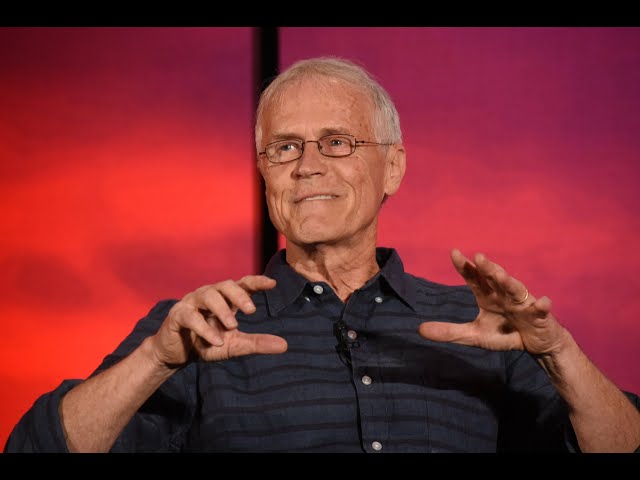
Paul Hawken recently provided an update on Project Drawdown, his living research initiative focused on reversing global warming by reducing and sequestering carbon. Eighteen months post-launch, Hawken discussed the global response from activists, political leaders, and scientists, along with how communities are activating around Drawdown's solutions.
Project Drawdown, detailed in Hawken's bestselling 2017 book, "Drawdown: The Most Comprehensive Plan Ever Proposed to Reverse Global Warming," involves an international team mapping 100 substantive solutions. This presentation explores how communities are utilizing this template of possibilities to spread and accelerate the critical movement.

Are you questioning if your coursework perpetuates dominant narratives, lacks diverse voices, or feels outdated? Many educators face challenges like static materials, student criticism, and integrating new perspectives such as sustainability.
This webinar, led by an educator who rethought their own curriculum, offers strategies to critically examine and expand your course material. Learn how to move beyond traditional viewpoints, incorporate inclusive perspectives, and brainstorm resources to diversify your teaching. The AASHE webinar originally took place on June 6, 2018. More information is available here.

This animation displays a one-year time-lapse of CO2 surface concentration, covering January 1, 2016, to January 1, 2017.
The data originates from NASA's GEOS-5 numerical weather model (https://gmao.gsfc.nasa.gov/GEOS/). Light colors in the visualization signify higher CO2 levels, while dark colors represent lower concentrations.

Matika Wilbur, a leading Pacific Northwest photographer and a member of the Swinomish and Tulalip Tribes, is renowned for her work re-imagining & humanizing Native peoples. Her extensive exhibitions include venues like the Seattle Art Museum and the Royal British Columbia Museum of Fine Arts. She is also a certified teacher at Tulalip Heritage High School, inspiring youth in her indigenous community.
Wilbur's multi-year national photography project, Project 562, is dedicated to photographing over 562 federally recognized tribes across the United States. Through impeccable silver gelatin artistry, she explores contemporary Native identity and experience, offering insight and passion as a unique artist and social documentarian in Indian Country.

Cultural Survival has championed Indigenous Peoples' rights since 1972.
The organization supports Indigenous communities' self-determination, cultural preservation, and political resilience.
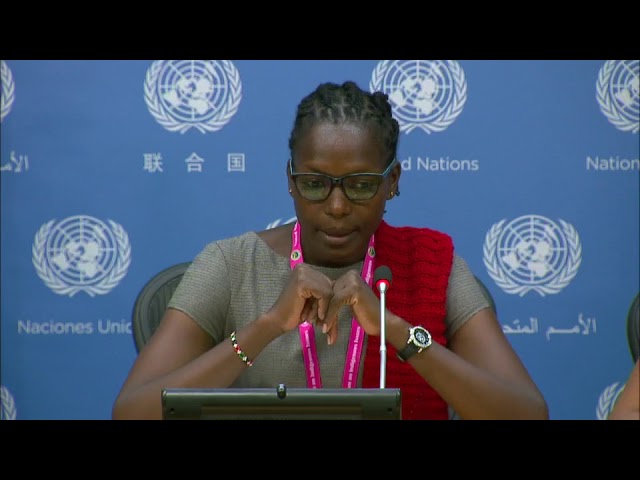
On April 19, 2018, the UNPFII17 held a press conference titled "Indigenous women defending human rights."
Speakers included Ms. Anne Nuorgam, an expert member of the UN Permanent Forum on Indigenous Issues; Rani Yan Yan, Advisor to the Chakma Circle, Bangladesh; and Ms. Milka Chepkorir Kuto, a human rights activist from Sengwer, Kenya.
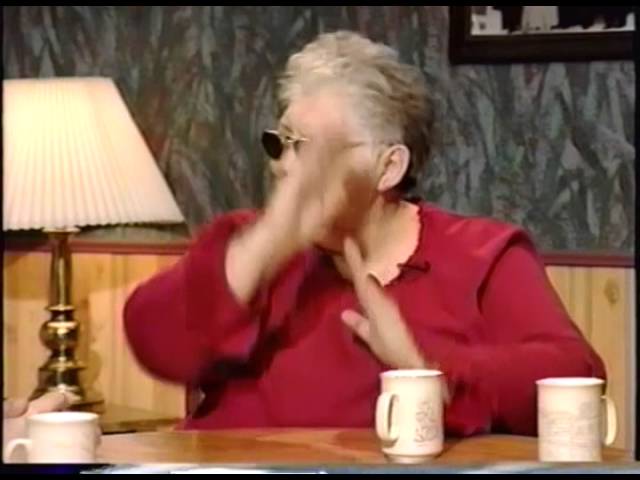
In 2004, the Gabriel Dumont Institute gathered Métis Elders from across Saskatchewan. Maria Campbell interviewed Jeanne Pelletier and Clementine Longworth to document their stories and learn about their past.
Their narratives offer a rich tapestry of Métis life, covering experiences with education, transportation, the Michif language, Road Allowance living, employment, hunting, fishing, food, and celebrations. They also shared insights on cultural practices like dancing, fiddling, jigging, square dancing, clothing, medicine, midwifery, and significant historical events such as the 1885 Resistance and Louis Riel.
Explore more resources on Métis history and culture at the Métis Museum.

A mother imparts indigenous knowledge and culture to her young daughter.
This intergenerational transfer ensures the preservation of vital heritage.

Support the indigenous people of Chile. This video, streamed live on April 21, 2018, highlights their community and needs.
Your donation directly benefits the individuals featured, with 100% of funds going to them. To contribute, please visit http://www.GoldenDrum.org and use the donate button.

Published on April 17, 2018, the 17th UN Permanent Forum on Indigenous Issues convened at United Nations Headquarters in New York from April 16-27, 2018.
Thousands of indigenous representatives from around the world gathered to address various issues concerning indigenous peoples' rights.

Chase Iron Eyes, an American Indian activist and attorney for the Standing Rock Sioux Tribe, has been instrumental in raising awareness for the #NoDAPL movement opposing new oil pipelines.
His talk focuses on these ongoing efforts, recent revelations of corporate infiltration, and attempts to keep arrested water protectors free from prison.

Pennie Opal Plant, co-founder of Idle No More SF Bay, emphasizes the vital role of individual action.
She discusses our collective responsibilities in securing a safe and sustainable future for all living things on Earth.

At the 2016 National Bioneers Conference, First Nations and Métis leaders, including Clayton Thomas-Muller, Jeff Baker, Eriel Deranger, Melina Laboucan Massimo, and Tara Houska, discussed truth, reconciliation, residential schools, and future actions.
This presentation was part of the Indigeneity Forum, a Native-led Bioneers program that champions indigenous knowledge to address pressing environmental and social issues through respectful dialogue.
Support Bioneers by donating at bioneers.org/donate. Join our mailing list here, and connect with us on Facebook and Twitter.

Tom 'Putuparri' Lawford's people have inhabited Western Australia's desert for over 40,000 years. They lived nomadically, sustained by sacred waterholes like Kurtal, a vital source of 'jila' (living water) and a spiritual return place.
European arrival disrupted this ancient way of life; cattle fouled waterholes, forcing Aboriginal people off their land. Many worked on cattle stations, but equal pay laws in the late 1960s led to their displacement into towns like Fitzroy Crossing.
Putuparri grew up in Fitzroy Crossing within an activist family. At ten, he joined the Noonkanbah Station picket line, fighting oil drilling on sacred land.
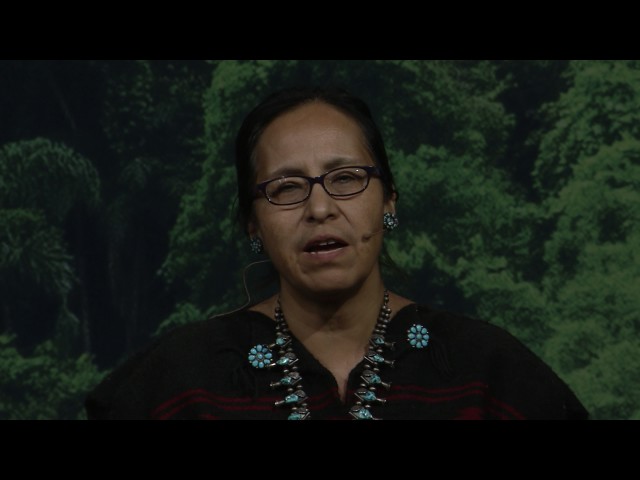
"A Blessing for Mother Earth" is a piece by Woman Stands Shining (Pat McCabe).
It was published on November 8, 2016.

Betty Reid Soskin, the nation's oldest active park ranger, shared her unique experiences as a Black woman in World War II shipyards during a "Talks at Google" event published on September 15, 2016. Now in her 90s, Soskin serves at the Rosie the Riveter World War II/Home Front National Historical Park in Richmond, California, a park she helped establish.
Her talk, titled "Of Lost Conversations: Opportunity and Discrimination...", offers a firsthand perspective on the home front effort and the immense social changes she has witnessed. Soskin also reflects on the responsibilities of living in a democracy. More context on her work is available in the video: Of Lost Conversations.
Environmental Scientist and Advocate

