




Special Collections:
Biomimicry
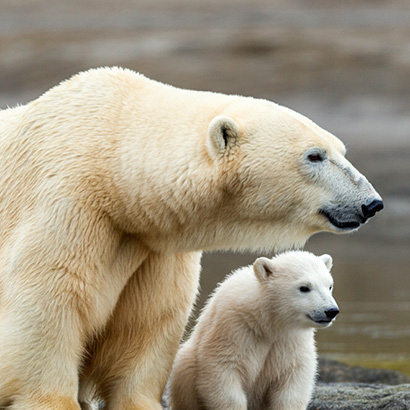

Join the AskNature Hive for a conversation with Andrés Mitnik, CEO of Strong by Form. His company, a 2022 Ray of Hope Accelerator participant, developed Woodflow®, a patented technology that mimics tree growth. This process combines computational design with robotic manufacturing to create lightweight, structurally optimized wood-based composites for architecture, furniture, and mobility.
Andrés will provide a behind-the-scenes look at their design and production, highlight real-world applications, and share how biomimicry guides their success in developing smarter, sustainable solutions.
Learn more about biomimicry: biomimicry.org | asknature.org | biomimicry.org/community
Follow us: Instagram | LinkedIn

Plants profoundly shaped dinosaurs, early mammals, and the prehistoric world. This dynamic, plant-rich environment offers new inspiration for biomimicry, revealing a vibrant land defined by intricate relationships.
Watch the AskNature Hive Live Convo replay with author Riley Black to explore this plant-defined world and its enduring impact, providing biomimics with fresh models to learn from.
Learn more about biomimicry: [Biomimicry Institute](https://biomimicry.org/), [AskNature](https://asknature.org/), [Community](https://biomimicry.org/community/). Connect with us: [Instagram](https://www.instagram.com/biomimicryinstitute/), [LinkedIn](https://www.linkedin.com/company/biomimicryinstitute/).

Watch the replay of AskNature Program Director Camilo Garzón's "Narrative Gravity: Connecting to Nature Through Story" from the 2025 Learn Biomimicry Confluence. This powerful presentation explored how storytelling transforms scientific understanding into profound personal connection and a catalyst for change.
The Biomimicry Confluence is a two-day conference uniting nature-inspired ideas and innovators. Discover more about the event at www.learnbiomimicry.com. Explore Biomimicry resources: biomimicry.org, asknature.org, community, learning. Connect on social media: Instagram, LinkedIn.

The Biomimicry Institute empowers individuals worldwide to learn from nature's genius. Our free educational tool, [AskNature](https://asknature.org/), helps innovators and students find sustainable solutions inspired by the natural world.
Your support ensures resources like AskNature remain free and accessible, fostering a future in harmony with life. Please [donate today](https://biomimicry.org/donate/). Explore our work further at the [Biomimicry Institute](https://biomimicry.org/) and connect with our [community](https://biomimicry.org/community/) on [Instagram](https://www.instagram.com/biomimicryinstitute/) or [LinkedIn](https://www.linkedin.com/company/biomimicryinstitute/).

Regenerative design harnesses nature's genius to restore and regenerate the natural world, moving beyond sustainability to create positive environmental impact. This AskNature Hive Live Conversation will showcase global built environment projects that utilize biomimicry and ecosystem services to replace artificial systems, offering practical strategies for emulation.
Sean Quinn, who leads HOK’s global regenerative design practice, will share his expertise. With two decades of experience in performance-based sustainable design and biomimicry, he is committed to ensuring tomorrow's built environment yields net-positive benefits for nature, buildings, and communities.
Explore biomimicry further: [Biomimicry Institute](https://biomimicry.org/), [AskNature](https://asknature.org/), [Community](https://biomimicry.org/community/). Connect on [Instagram](https://www.instagram.com/biomimicryinstitute/) and [LinkedIn](https://www.linkedin.com/company/biomimicryinstitute/).

The Biomimicry Institute hosted architect Michael Pawlyn, who explored how biomimicry can help build a truly life-friendly world. Pawlyn emphasized biomimicry as a framework for transformative systems change, aligning human activity with nature's life-supporting conditions.
His vision, from circular resource flows to regenerative architecture, inspires new possibilities for design, creation, and collaboration, guiding us toward a flourishing future.
Learn more about biomimicry and connect: biomimicry.org | asknature.org | Community | Learning | Instagram | LinkedIn

Janine Benyus, the "Godmother of Biomimicry," advocates for humans to become a "welcome species" by designing settlements that give back to the planet. Through Biomimicry 3.8, she demonstrates how human environments can emulate nature's ecological gifts.
Benyus envisions cities functioning like forests—storing water, purifying air, cycling nutrients, and nurturing biodiversity. Her "Project Positive" initiatives prove this regenerative vision is achievable by asking, "What would Nature do here?" Discover more at biomimicry.net.

John Todd's lyrical exploration reveals essential ecological design principles, demonstrating how mimicking nature leads to breakthrough solutions. He shares insights from his award-winning eco-industrial park and strategies for purifying water bodies, from Lake Champlain to Venice. His natural sewage treatment systems utilize native plants to break down pollutants and produce clean water, aiming to evolve a holistic technological and social framework.
This talk was delivered at the 2002 Bioneers National Conference, part of the Ecological Design Collection, Vol. 1. Since 1990, Bioneers has served as a vital hub for social and scientific innovators, offering practical solutions for pressing environmental and social challenges.

For decades, scientists have warned of climate and biodiversity crises stemming from deforestation and fossil fuels, simultaneously developing nature-based solutions. Despite the urgency and available solutions, peer-reviewed climate science, including Dr. Simard's work informing forest climate solutions for western North America, faces widespread efforts to discredit it. Her talk will delve into the recent backlash she has experienced.
This keynote was delivered at the 2024 Bioneers Conference. To view other talks, visit http://www.bioneers.org.

The world's design challenges can often be addressed by copying nature, a concept known as biomimicry. Explore this idea further with 99% Invisible, an independent radio show by Roman Mars focusing on design and architecture. It began as a collaborative project between San Francisco's KALW and the American Institute of Architects.
For additional insights, download a biomimicry infographic here.

This environmental video essay explores biomimicry, examining how nature-inspired design extends beyond architecture and materials to foster better relationships, activism, and communities.
Drawing on adrienne maree brown's emergent strategy, the essay demonstrates how natural principles can guide us through a complex social world.
Support future videos via Patreon, Twitter, Facebook, Instagram, or email occ.climate@gmail.com. Download a biomimicry infographic here.

For 45 years, Bernie Krause of Wild Sanctuary has recorded wild soundscapes, from wind and birds to insect larvae. His extensive work reveals how human activity, even seemingly safe practices, has radically altered many natural environments.
Krause's recordings offer surprising insights into nature's symphonies, from a grunting sea anemone to a mourning beaver. This unique perspective, originally published July 15, 2013, highlights profound lessons we can learn from the natural world.
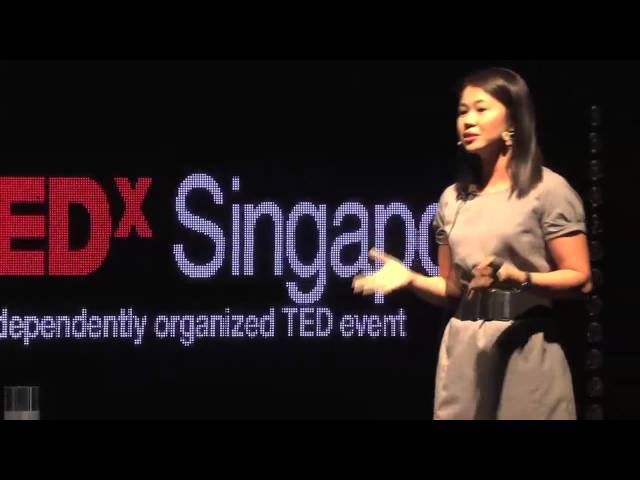
In a TEDxSingaporeWomen talk from March 18, 2013, Dr. Low Hong Yee explores Nano Imprint technology. This innovative field creates natural structures and textures, enabling applications such as chemical-free color.
A 2010 L'Oréal for Women in Science Fellowship recipient, Dr. Low aspires to industrialize her research. She currently leads an Industrial Consortium on Nanoimprint Technology. Discover more about her work here.

Janine Benyus urges inventors to look to nature for design solutions. She demonstrates how natural principles inspire innovative products—from waterproof materials to aerodynamic and solar-powered technologies—achieving spectacular results.
Presented on August 6, 2009, this talk highlights the power of biomimicry. Explore more at the Biomimicry Institute, TED.com, and TED's Top 10 Talks.
Environmental Scientist and Advocate
What EarthSayers stands for
Discover Diverse Voices on EarthSayers
Unlike algorithm-driven platforms that push you into a content bubble, we ensure you hear a variety of perspectives from scientists, activists, Indigenous leaders, business innovators, and everyday citizens working toward sustainability.
EarthSayers CINEMA
Watch, learn and lead—sustainability starts with you.
How to Live on Earth | Feature Documentary | Presented by Benedict Cumberbatch
What if the solutions to building a better future already exist? How to Live on Earth is an ambitious documentary that explores how humanity can create a thriving future by collaborating with nature. Presented by Benedict Cumberbatch, the film reveals the potential of teaming up with nature to address our greatest challenges.
Heartwarming and energizing, it offers a hopeful vision for a future where both nature and humanity can thrive. How to Live on Earth is produced by Open Planet Studios in association with Villars Institute Foundation and Silvania. Join the conversation by downloading film assets and sharing your reaction at howtoliveonearth.net/social-toolkit. Explore educational resources from the Villars Institute at YouTube.


