



Special Collections:
The Circular Economy


EU Commissioner for Environment, Karmenu Vella, has endorsed the New Plastics Economy's $2M Innovation Prize. This initiative, run in 2016 with OpenIDEO and NineSigma, aims to foster solutions for plastic waste.
Discover the recently announced winners and follow their progress by visiting the official page: tiny.cc/innovationprize.
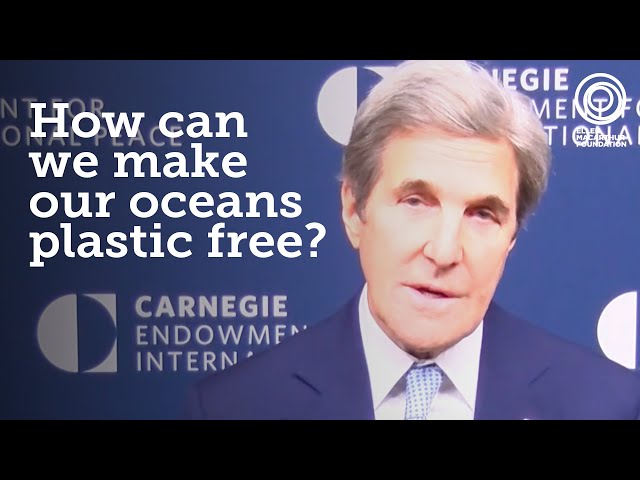
Former US Secretary of State John Kerry endorses the New Plastics Economy's $2M Innovation Prize. This initiative, launched in 2016, was a collaboration with OpenIDEO and NineSigma.
Meet the recently announced winners and stay updated on their progress here: tiny.cc/innovationprize.

UN Environment Director Erik Solheim endorsed the New Plastics Economy's $2 million Innovation Prize. This initiative, launched in 2016, was a collaboration with OpenIDEO and NineSigma.
Discover the recently announced winners and track their progress by visiting: tiny.cc/innovationprize.

Danone CEO Emmanuel Faber supports the New Plastics Economy's $2M Innovation Prize. This initiative was launched in 2016 in collaboration with OpenIDEO and NineSigma.
Discover the recently announced winners and stay updated on their progress by visiting: tiny.cc/innovationprize.

Veolia CEO Antoine Frerot endorses the New Plastics Economy's $2M Innovation Prize. This initiative, run in 2016 with OpenIDEO and NineSigma, aimed to foster innovation in plastics.
Meet the recently announced winners and follow their progress by visiting the official page: tiny.cc/innovationprize.

Cradle to Cradle pioneer William McDonough emphasizes the importance of the "five goods" concept.
For more information on the Circular Fibres Initiative, please visit: tiny.cc/fibres.

Laurent Auguste, Veolia's Senior EVP for Development Innovation & Markets, highlights the critical need for a collaborative coalition to reinvent the textiles economy.
Learn more about the Circular Fibres Initiative: tiny.cc/fibres.
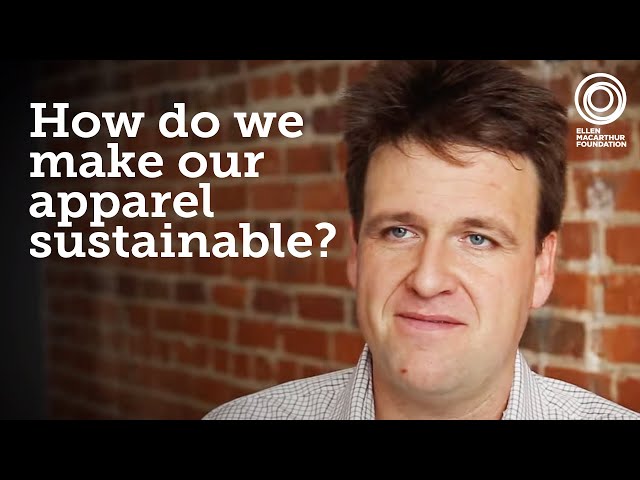
The Circular Fibres report reimagines the clothing and footwear system, identifying new business models, technological innovation, radical collaboration, and rapid acceleration as critical for this transformation.
Jason Kibbey, CEO of the Sustainable Apparel Coalition, endorsed the findings of this recent report, titled "A new textiles economy: Redesigning fashion's future."
Access the report here: tiny.cc/fibres

Designers are crucial in shaping fashion's future and establishing a new textiles economy through their understanding and participation in a circular economy.
Burak Cakmak, Dean of Fashion at Parsons School of Design, emphasizes this need, particularly highlighting the Circular Fibres Initiative.
Learn more: tiny.cc/fibres

Lewis Perkins, CEO of the Cradle to Cradle Products Innovation Institute, supports the Circular Fibres Initiative and its recently released report, "A new textiles economy: Redesigning fashion's future."
Learn more about the report: tiny.cc/fibres

Kate Daly, SVP at NYC Economic Development Corporation, emphasizes the Circular Fibres Initiative's transformative power. By bringing together a wide range of stakeholders, the initiative aims to revolutionize the textiles sector through circular economy principles.
Discover more about this collaborative effort: tiny.cc/fibres

The Circular Fibres Initiative's recent report, "A new textiles economy: Redesigning fashion's future," is widely supported by businesses and organizations across the fashion sector.
Learn more: tiny.cc/fibres

Katrin Ley from Fashion for Good highlights the parallels between her organization's work and the findings from the Circular Fibres Initiative's report, "A new textiles economy: Redesigning fashion's future."
This report outlines a shared vision for transforming the textile industry. Learn more about these insights at tiny.cc/fibres.

Edwin Keh, CEO of the Hong Kong Research Institute of Textiles and Apparel, highlights the importance of the Circular Fibres Initiative.
He discusses its recently released report, "A new textiles economy: Redesigning fashion's future," which outlines a new vision for the industry.
Find out more about this initiative and report: tiny.cc/fibres.

Millions of tonnes of plastic pollute our oceans annually. Despite significant investment and innovation, current clean-up efforts tackle less than 0.5% of this problem.
We need innovation that addresses the root causes, not just the symptoms. Our $2M Innovation Prize highlights possibilities to radically rethink how we make, use, and reuse plastic packaging. Discover more at the New Plastics Economy.

A video collection showcases leading academics and students sharing their insights on circular design and its application using the Circular Design Guide. These videos aim to inspire other academics to integrate circular design into their curriculum.
The Circular Design Guide is a free online tool, offering 24 downloadable methods, case studies, and resources to apply circular design principles. Start exploring this comprehensive resource today: https://www.circulardesignguide.com/

A video collection features academics and students sharing their insights on circular design and its application using the Circular Design Guide. These videos aim to inspire educators to integrate circular design into their curricula.
The Circular Design Guide is a free online tool providing 24 downloadable methods, case studies, and resources for implementing circular design principles. It's applicable across diverse contexts.
Start exploring this valuable resource today: https://www.circulardesignguide.com/

This video collection showcases academics and students sharing their insights on circular design and its application using the Circular Design Guide. These videos aim to inspire other educators to integrate circular design principles into their curriculum.
The Circular Design Guide is a free online tool. It provides 24 downloadable methods, case studies, and resources for applying circular design in diverse contexts. Start exploring at https://www.circulardesignguide.com/.
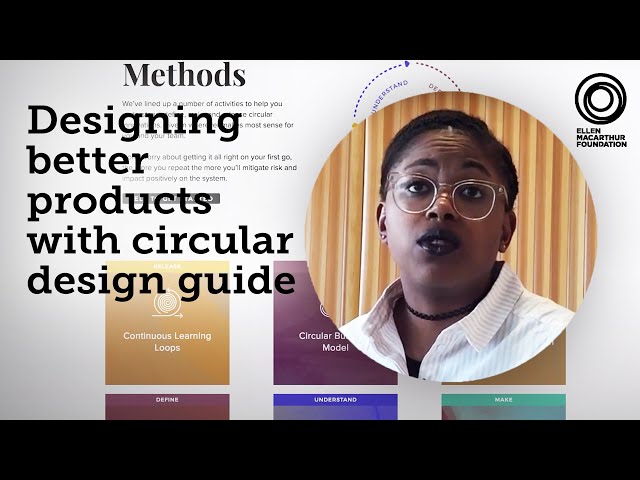
This video collection features academics and students sharing their insights into circular design and demonstrating their use of the Circular Design Guide. These resources aim to inspire other educators to integrate circular design into their curricula.
The Circular Design Guide is a free online tool offering 24 downloadable methods and resources for applying circular design principles. Explore it at circulardesignguide.com.

This video collection features academics and students sharing their insights on circular design and demonstrating their use of the Circular Design Guide. These resources aim to inspire other educators to integrate circular design principles into their curricula.
The Circular Design Guide is a free online tool, offering 24 downloadable methods, case studies, and resources for applying circular design. Explore this comprehensive guide at circulardesignguide.com.
Environmental Scientist and Advocate
What EarthSayers stands for
Discover Diverse Voices on EarthSayers
Unlike algorithm-driven platforms that push you into a content bubble, we ensure you hear a variety of perspectives from scientists, activists, Indigenous leaders, business innovators, and everyday citizens working toward sustainability.
EarthSayers CINEMA
Watch, learn and lead—sustainability starts with you.
How to Live on Earth | Feature Documentary | Presented by Benedict Cumberbatch
What if the solutions to building a better future already exist? How to Live on Earth is an ambitious documentary that explores how humanity can create a thriving future by collaborating with nature. Presented by Benedict Cumberbatch, the film reveals the potential of teaming up with nature to address our greatest challenges.
Heartwarming and energizing, it offers a hopeful vision for a future where both nature and humanity can thrive. How to Live on Earth is produced by Open Planet Studios in association with Villars Institute Foundation and Silvania. Join the conversation by downloading film assets and sharing your reaction at howtoliveonearth.net/social-toolkit. Explore educational resources from the Villars Institute at YouTube.


