




Special Collections:
Oceans
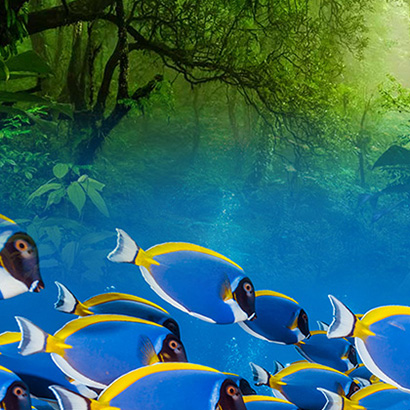

Protecting sharks is crucial in the fight against climate change.
The international fin trade impacts up to 73 million sharks annually. You can help end this by adding your name to support a #FinBanNow.
Take action now: Support a #FinBanNow.

Ocean acidification, a dangerous consequence of climate change, occurs when the ocean absorbs excess atmospheric carbon. This carbon reacts with seawater, forming acid.
Acidified water erodes the hard body parts of marine life, including coral, bivalves, and plankton, threatening these vital ecosystems.

Humpback whales are charismatic large whales found globally, from Antarctica to the Arctic, inhabiting both coastal and open ocean waters.
To learn more about these lovable marine mammals, explore Oceana's marine encyclopedia: Oceana's marine encyclopedia.

Symbiotic relationships are prevalent throughout the world's oceans.
To understand these fascinating interactions and learn about the amazing ocean animals featured, explore Oceana's marine encyclopedia: Oceana Marine Encyclopedia.

The Magnuson-Stevens Act, our vital fisheries management law, faces a significant threat. Proposed congressional changes could prioritize short-term profits, potentially leading to the overexploitation of our oceans. Urge lawmakers to protect this crucial act.
Music for this message was provided by Spearfisher, and the cello performance by Cicely Parnas.

Oceans cover 71% of Earth, sustaining over a billion people. Yet, overfishing is rapidly depleting this vital resource, threatening life and protein for a hungry planet.
Fortunately, oceans are remarkably resilient. Ten countries manage most wild seafood, and Oceana has achieved critical policy victories in many, safeguarding over a million square miles.
We can reverse this decline by ending overfishing, controlling bycatch, and protecting ocean nurseries. Join Oceana today to help ensure bountiful oceans for generations to come.

On April 20, 2010, the Deepwater Horizon explosion killed 11 crew members and caused America's worst oil spill. For 87 days, over 200 million gallons of oil flooded the Gulf of Mexico. This disaster killed hundreds of thousands of birds, endangered sea turtles, and exposed 50,000 cleanup volunteers to harmful chemicals. We cannot afford another Deepwater Horizon. Urge President Obama to protect the Arctic and Atlantic from new oil drilling and seismic airgun blasting.

Knowing where your seafood comes from is crucial. An opaque supply chain enables illegal fishing, fraud, health risks, and human trafficking, threatening oceans and consumers. Traceability, by tracking fish from boat to plate, ensures transparency and accountability, making seafood safe, legal, and honestly labeled.
Learn more about seafood traceability at oceana.org/FishStories.
Music by Adam Lindquist: adamlindquist.com. Sounds via Freesound.org, by various users.
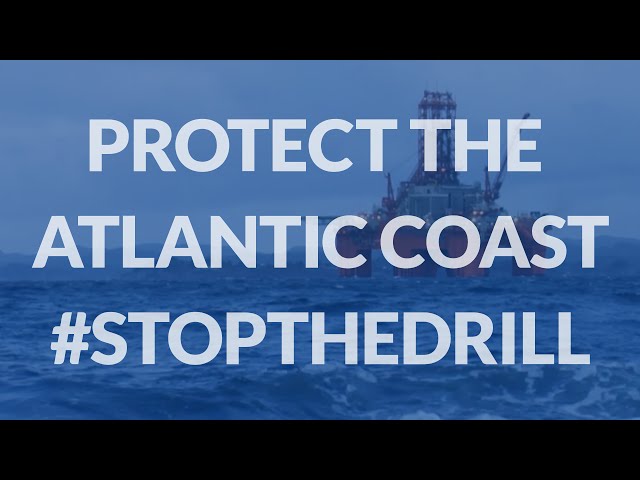
Over 100 coastal communities now oppose the Obama Administration's offshore drilling proposal for the Southeast coast (Virginia, North Carolina, South Carolina, and Georgia). This plan threatens jobs, tourism, and risks devastating oil spills like the BP Deepwater Horizon disaster.
Due to widespread opposition from communities, elected leaders, and industries, the Administration is reexamining its proposed leasing plan, with a new draft expected in early 2016. Learn more about the grassroots opposition: usa.oceana.org/seismic-airgun-...
Music by Adam Lindquist. Sounds via Freesound.org users: nicStage, patchen, fedexico, soundmary, Corsica_S, and Loremonger, under the Attribution license: creativecommons.org/licenses/b...

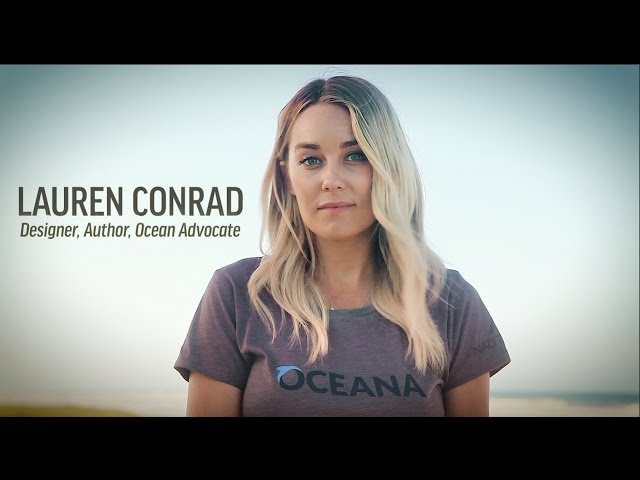
Fishing gear designed to catch popular fish poses a significant threat to sea turtle survival, particularly the critically endangered Kemp's Ridley species.
In June 2015, Lauren Conrad joined Oceana at Mexico's Rancho Nuevo Sea Turtle Sanctuary, a vital nesting site. With assistance from CONANP, they patrolled beaches and released hatchlings into the Gulf of Mexico. Conrad now supports Oceana's campaign, urging the U.S. government to protect endangered sea turtles from the southeast shrimp trawl fishery.
Watch her PSA to learn more and sign the petition here.

Seafood fraud is a significant issue in the U.S., often subjecting consumers to a "bait and switch." A recent Oceana study found that over a third of Maryland blue crab cakes tested in the Maryland and D.C. region contained cheaper, imported crab species instead of the advertised local blue crab.
While the iconic Chesapeake Bay blue crab is a sustainable "best choice" with recovering stocks, its relative scarcity keeps prices high. This forces local watermen and businesses to compete with mislabeled, often irresponsibly sourced imported blue swimming crab from unregulated fisheries in India and Southeast Asia.

Water holds significantly less oxygen than air, a problem exacerbated as water temperatures rise. This reduction in available oxygen creates a critical challenge for aquatic life.
As our oceans warm, fish and other marine species struggle to breathe. Learn more about the profound impacts these changing conditions have on their survival and the broader ecosystem.

Last year, Oceana celebrated significant victories for our oceans. New global laws and protections were established, safeguarding precious marine life worldwide.
Yet, the vital work continues. Help us sustain the fight for ocean protection in 2016 by making your year-end gift today: http://bit.ly/1QGix0w.

The Obama Administration's proposal to open the Southeast coast to offshore drilling threatens jobs, tourism, and risks devastating oil spills. Communities, elected leaders, and industries across Virginia, North Carolina, South Carolina, and Georgia oppose this plan. The administration is currently reexamining and revising its proposed leasing plan.
For more details on the proposal and grassroots opposition, visit Protect Our Coast Now and Oceana's Grassroots Opposition page. Music by Adam Lindquist. Sounds from Freesound.org users nicStage, patchen, fedexico, soundmary, Corsica_S, and Loremonger, under an Attribution license.

Seismic airgun testing, used for offshore oil and gas, poses a severe threat to the ocean's soundscape. These powerful blasts injure marine life, endanger regional fisheries, and jeopardize the livelihoods of those dependent on the ocean.
The Bureau of Ocean Energy Management (BOEM) is currently preparing an environmental impact statement (EIS) on expanding seismic testing in the Mid and South Atlantic. BOEM must incorporate the latest science to fully assess these risks. Help raise awareness about this destructive practice. For more information, visit: http://oceana.org/seismic.

Proposed seismic airgun testing in the Atlantic Ocean threatens to injure thousands of whales and dolphins. Oceana is campaigning to stop this harmful activity before it begins.
Support Oceana's efforts. Please sign their petition to stop seismic testing on the White House's website: Stop Seismic Airgun Testing Petition.

Over 1.3 million small-scale fishers in the Philippines, among the nation's poorest, depend entirely on the ocean for their livelihood and to prevent hunger. Learn more about their situation: http://bit.ly/1j7zbrq
Unfortunately, these vital Philippine waters are in crisis. Over 75% of fishing grounds are overexploited, once vibrant coral reefs are degraded, and whale sharks face accidental deaths.
By acting together now, we can restore the ocean's abundance and secure the future for these communities.

Oceana's "One Name One Fish" report emphasizes the critical need for species-specific names for all seafood throughout the supply chain. Understand the full case by reading the report: oceana.org/onenameonefish.
Music for this project was composed by Adam Lindquist: fa-da-do.com. Additional sounds were sourced from numerous contributors on Freesound.org.
Deafening seismic airgun tests are proposed for the Atlantic. We must urge the Obama administration to halt these tests.
Join Miranda and others to protect dolphins. Find out more and take action here: http://bit.ly/1oo4l9J
Environmental Scientist and Advocate
What EarthSayers stands for
Discover Diverse Voices on EarthSayers
Unlike algorithm-driven platforms that push you into a content bubble, we ensure you hear a variety of perspectives from scientists, activists, Indigenous leaders, business innovators, and everyday citizens working toward sustainability.
EarthSayers CINEMA
Watch, learn and lead—sustainability starts with you.
How to Live on Earth | Feature Documentary | Presented by Benedict Cumberbatch
What if the solutions to building a better future already exist? How to Live on Earth is an ambitious documentary that explores how humanity can create a thriving future by collaborating with nature. Presented by Benedict Cumberbatch, the film reveals the potential of teaming up with nature to address our greatest challenges.
Heartwarming and energizing, it offers a hopeful vision for a future where both nature and humanity can thrive. How to Live on Earth is produced by Open Planet Studios in association with Villars Institute Foundation and Silvania. Join the conversation by downloading film assets and sharing your reaction at howtoliveonearth.net/social-toolkit. Explore educational resources from the Villars Institute at YouTube.


