



Special Collections:
Farming and Food Production
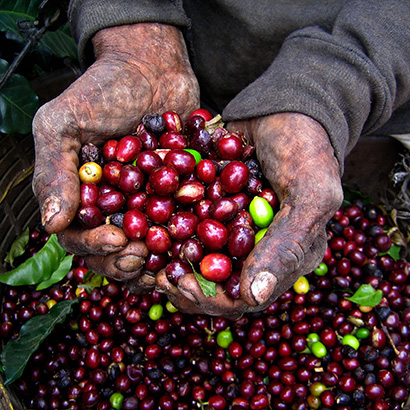

Since 2018, the Food and Agriculture Organization of the United Nations (FAO), supported by the Global Environment Facility (GEF), has promoted community-based sustainable land, forest, and rangeland management in Afghanistan. Active across five provinces, this project supports biodiversity conservation, climate change mitigation, and improved rural livelihoods.
Through 64 Forest and Rangeland Management Associations, thousands have participated in technical trainings and natural resource management activities. This has restored thousands of hectares, sequestering over 4.5 million tonnes of CO₂. Community-led interventions, including agroforestry and fuel-efficient cookstoves, build resilient landscapes and food-secure communities.
Subscribe: [YouTube](http://www.youtube.com/subscription_center?add_user=FAOoftheUN)
Follow FAO: [Facebook](https://www.facebook.com/UNFAO), [Instagram](https://instagram.com/fao), [LinkedIn](https://www.linkedin.com/company/fao), [TikTok](https://www.tiktok.com/@fao), [Twitter](http://www.twitter.com/fao/), [Weibo](https://www.weibo.com/unfao)
© FAO: [fao.org](http://www.fao.org) #SDGs #Agenda2030 #GlobalGoals

Listen to FAO’s Food Safety Officer explain the critical role food businesses play in containing foodborne antimicrobial resistance (AMR).
Stay informed by subscribing to [FAO's YouTube channel](http://www.youtube.com/subscription_center?add_user=FAOoftheUN) and following FAO on social media: [Facebook](https://www.facebook.com/UNFAO), [Instagram](https://instagram.com/fao), [LinkedIn](https://www.linkedin.com/company/fao), [TikTok](https://www.tiktok.com/@fao), [Twitter](http://www.twitter.com/fao/), and [Weibo](https://www.weibo.com/unfao).
© FAO. For more information, visit [www.fao.org](http://www.fao.org). #SDGs #Agenda2030 #GlobalGoals #AMR #antimicrobialresistance

Welcome to Episode 1 of the Youth Unmoderated Podcast: "The Future of Agriculture: Youth, Innovation and Technology." Join Femi and Jerry as they explore how young people are transforming agriculture through innovation, technology, entrepreneurship, and digital solutions. Discover their critical role in building sustainable agrifood systems across Africa and beyond.
Don't miss this conversation unpacking challenges, opportunities, and bold ideas driving the next generation of agriculture. Be sure to [subscribe](http://www.youtube.com/subscription_center?add_user=FAOoftheUN) for more episodes from the Youth Unmoderated Podcast series.
Follow FAO on [Facebook](https://www.facebook.com/UNFAO), [Instagram](https://instagram.com/fao), [LinkedIn](https://www.linkedin.com/company/fao), [TikTok](https://www.tiktok.com/@fao), [Twitter](http://www.twitter.com/fao/), and [Weibo](https://www.weibo.com/unfao). © FAO: [fao.org](http://www.fao.org).
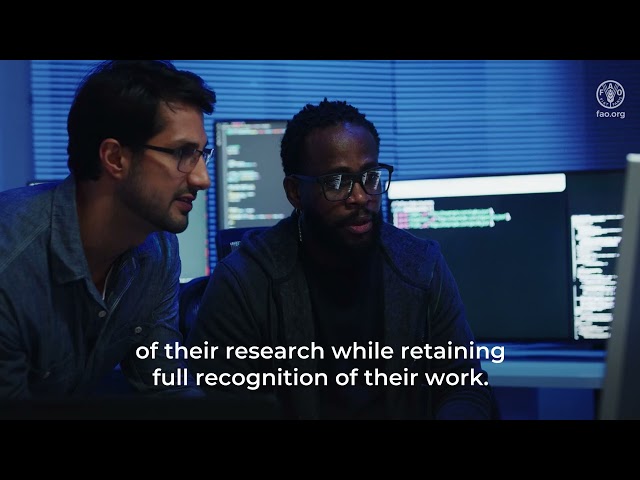
The FAO AGRIS Open Data Set (ODS) offers free access to millions of agricultural research records, fostering global knowledge sharing and innovation. Recognized as a Digital Public Good, the ODS enriches FAO AGRIS records with structured metadata and links to full texts, adhering to FAIR principles (Findable, Accessible, Interoperable, Reusable) for easy discovery and use.
Institutions contributing metadata increase their research visibility and impact. Available in Dublin Core XML, the ODS supports data-driven research, machine learning, and new applications. Join this global network to make your data part of FAO AGRIS. Subscribe to FAO's YouTube channel: Subscribe. Learn more at FAO.

Listen to Episode 2 of the Youth Unmoderated Podcast, recorded during the Africa Conference on Sustainable Agricultural Mechanization. In this Swahili session, Izidory Germanus Katole and Plaxeda Melkyor Massawe discuss youth participation in agriculture, agribusiness opportunities, and sustainable mechanization's role in transforming food systems and rural livelihoods. The discussion highlights practical experiences and young people's growing contribution to Africa's agricultural future.
Subscribe to the series: Subscribe. Follow FAO on social media: Facebook, Instagram, LinkedIn, TikTok, Twitter, Weibo. © FAO.

This video showcases how FAO, with the Government of Mozambique and partners, supports farming families affected by the 2026 floods. An e-voucher system provides vulnerable farmers with digital vouchers for agricultural inputs from local agrodealers at mobile fairs. Biometric verification ensures transparent, timely, and flexible assistance, enabling farmers to choose inputs tailored to their needs.
This initiative rapidly restores agricultural production, strengthens local markets, and builds community resilience. Subscribe to FAO's YouTube channel: FAOoftheUN. Follow FAO on social media: Facebook, Instagram, LinkedIn, TikTok, Twitter, Weibo. Learn more at fao.org. #SDGs #Agenda2030 #GlobalGoals
```html
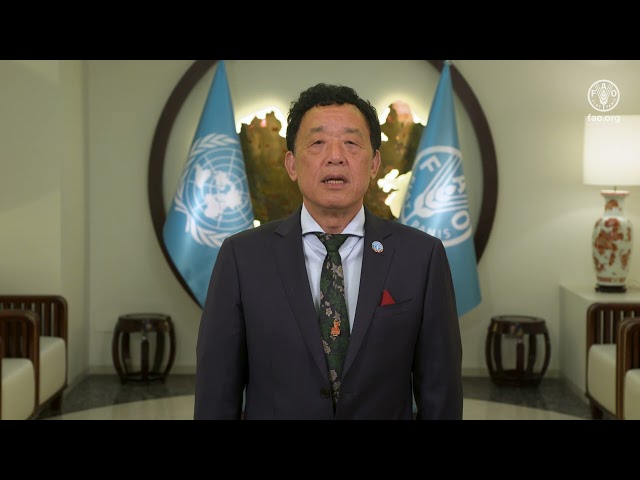
FAO Director-General QU Dongyu invites participation in the International Day of Potato observance on 30 May 2025. The theme, “Shaping history, feeding the future,” highlights the potato's deep historical and cultural significance, alongside its evolving role in global agrifood systems.
For more information, visit the official page: fao.org/international-potato-day.
Stay connected with FAO: Subscribe on YouTube and follow us on Facebook, Instagram, LinkedIn, TikTok, Twitter, and Weibo. © FAO.
```
This video highlights how the FAO, with the Government of Mozambique and partners, supports farming families affected by the 2026 floods in central and southern Mozambique. An electronic e-voucher system provides vulnerable farmers with biometrically verified digital vouchers to access agricultural inputs from local agrodealers at community fairs. This ensures transparent, timely, and flexible aid, letting farmers select inputs tailored to their needs. The initiative rapidly restores agricultural production, strengthens local markets, and enhances community resilience.
Subscribe to FAO's YouTube channel: http://www.youtube.com/subscription_center?add_user=FAOoftheUN. Follow FAO on social media via Facebook, Instagram, LinkedIn, TikTok, Twitter, and Weibo. More information at www.fao.org. #SDGs #Agenda2030 #GlobalGoals

Plants are fundamental to our food systems but face constant threats from pests and diseases. Plant biosecurity is crucial, acting as the frontline defense to protect crops, livelihoods, and global trade from these cross-border dangers.
The Food and Agriculture Organization of the United Nations (FAO) and the International Plant Protection Convention (IPPC) lead global efforts to safeguard plant health. Follow FAO on social media: [Facebook](https://www.facebook.com/UNFAO), [Instagram](https://instagram.com/fao), [LinkedIn](https://www.linkedin.com/company/fao), [TikTok](https://www.tiktok.com/@fao), [Twitter](http://www.twitter.com/fao/), [Weibo](https://www.weibo.com/unfao). Subscribe to FAO's YouTube channel [here](http://www.youtube.com/subscription_center?add_user=FAOoftheUN).

Through Farmer Field Schools, supported by the European Union and Sweden under ENPARD IV, FAO assists Georgian farmers in strengthening plant health via sustainable agricultural practices.
Farmers and agronomists collaborate on initiatives from healthy soil and strong seedlings to pest monitoring and integrated pest management. This improves crop resilience, reduces unnecessary pesticide use, and supports safer food production and sustainable agriculture in Georgia.
Subscribe: FAO on YouTube. Follow FAO on social media: Facebook, Instagram, LinkedIn, TikTok, Twitter, Weibo. © FAO. #SDGs #PlantHealth #SustainableAgriculture #FAO #Georgia #ENPARD
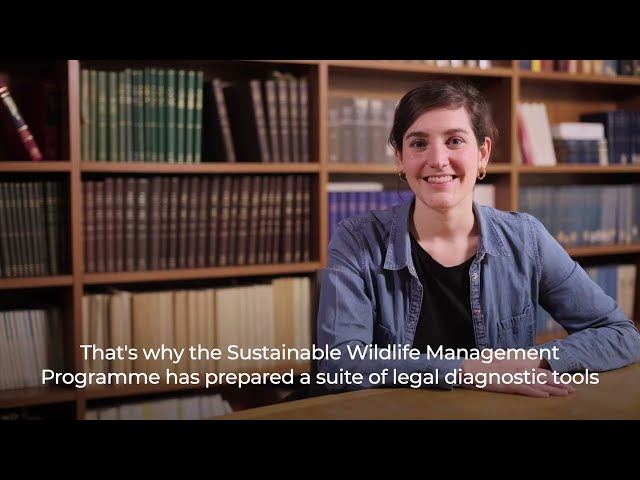
The Sustainable Wildlife Management (SWM) Programme launched its Legal Hub in 2021, a user-friendly platform offering legal texts and analysis on sustainable wildlife management across over a dozen countries. It is already catalyzing legal reforms.
This international initiative is funded by the European Union, French Facility for Global Environment, and French Development Agency. It is implemented by FAO, CIRAD, CIFOR-ICRAF, and WCS.
For more information, visit the SWM Programme website. Subscribe to FAO's YouTube channel and connect with FAO on social media: Facebook, Instagram, LinkedIn, TikTok, Twitter, and Weibo. © FAO.

Wildlife corridors are vital in Namibia and the Kavango–Zambezi Transfrontier Conservation Area (KAZA-TFCA), enabling safe wildlife movement, supporting biodiversity, and enhancing climate resilience across five countries. These corridors also benefit communities through jobs, tourism, and sustainable resource management.
The EU-funded Sustainable Wildlife Management (SWM) Programme, implemented by FAO and partners, actively supports these crucial corridors and communal conservancies.
Learn more at the [SWM Programme](https://www.fao.org/in-action/swm-programme). [Subscribe to FAO](http://www.youtube.com/subscription_center?add_user=FAOoftheUN) and follow us on social media: [Facebook](https://www.facebook.com/UNFAO), [Instagram](https://instagram.com/fao), [LinkedIn](https://www.linkedin.com/company/fao), [TikTok](https://www.tiktok.com/@fao), [Twitter](http://www.twitter.com/fao/), [Weibo](https://www.weibo.com/unfao). © [FAO](http://www.fao.org)

Millions depend on wild meat, but rising demand threatens species and food security. The Sustainable Wildlife Management (SWM) Programme addresses this by collaborating with communities and governments to ensure wildlife conservation and sustainable use.
Funded by the European Union, French Development Agency (AFD), and French Facility for Global Environment (FFEM), SWM is implemented by the Food and Agriculture Organization (FAO), CIRAD, CIFOR, and the Wildlife Conservation Society (WCS).
Learn more at the [SWM Programme website](https://www.swm-programme.info/). Subscribe to [FAO's YouTube channel](http://www.youtube.com/subscription_center?add_user=FAOoftheUN) and follow FAO on social media: [Facebook](https://www.facebook.com/UNFAO), [Instagram](https://instagram.com/fao), [LinkedIn](https://www.linkedin.com/company/fao), [TikTok](https://www.tiktok.com/@fao), [Twitter](http://www.twitter.com/fao/), [Weibo](https://www.weibo.com/unfao). © [FAO](http://www.fao.org) #SDGs #Agenda2030 #GlobalGoals

Guatemala has made a historic first deposit to the Svalbard Global Seed Vault, the world's most secure backup for crop diversity. This crucial step safeguards agricultural biodiversity, including over 930 seed accessions of vital crops like maize, beans, squash, amaranth, and teosinte.
This remarkable achievement resulted from an emergency intervention and a long-term partnership between the Guatemala national genebank and Cuchumatanes region communities. For more details, watch the accompanying video or visit www.fao.org.

This video demonstrates establishing low pest prevalence areas through sustainable agricultural practices. These methods enhance fresh pepper production, improve yield quality, and ensure compliance for local and international markets. The video was produced under an FAO project focused on hot pepper value chains, funded by the Standards and Trade Development Facility and implemented with Jamaican partners.
Subscribe to FAO on YouTube and follow us on social media: Facebook, Instagram, LinkedIn, TikTok, Twitter, and Weibo.
© FAO. Visit fao.org for more. #SDGs #Agenda2030 #GlobalGoals

Fishing is crucial for São Tomé and Príncipe's economy and livelihoods, but increasing pressure on marine ecosystems demands sustainable management.
The EAF-Nansen Program, a FAO-Norway partnership, supports São Tomé and Príncipe in sustainable fisheries management. Through scientific research, capacity building, and policy assistance, it strengthens governance frameworks. This initiative aligns with FAO's Blue Transformation and the UN Decade of Ocean Science (2021-2030).
Connect with FAO: YouTube | Facebook | Instagram | LinkedIn | TikTok | Twitter | Weibo. More at fao.org. #SDGs #Agenda2030 #GlobalGoals

The 14th GASL Multistakeholder Partnership (MSP) Meeting, from June 8-11, 2026, in Dakar, Senegal, will foster dialogue and action on sustainable livestock and One Health. It aligns with the International Year of Rangelands and Pastoralists, the International Year of the Woman Farmer, and IYC 2024 follow-up.
The MSP aims to drive policy engagement, innovation, and investment, strengthening GASL's global impact. Subscribe to FAO on [YouTube](http://www.youtube.com/subscription_center?add_user=FAOoftheUN) and follow them on social media: [Facebook](https://www.facebook.com/UNFAO), [Instagram](https://instagram.com/fao), [LinkedIn](https://www.linkedin.com/company/fao), [TikTok](https://www.tiktok.com/@fao), [Twitter](http://www.twitter.com/fao/), [Weibo](https://www.weibo.com/unfao). © FAO: [fao.org](http://www.fao.org) #SDGs #Agenda2030 #GlobalGoals

Listen to "The Work We Do" episode featuring Charles Spillane, FAO Chief Scientist, on Spotify, Apple Music, or SoundCloud. Spillane shares his techno-optimistic worldview, shaped by his Irish farm upbringing, highlighting science's power to improve society.
He discusses why scientific advances often fail smallholder farmers, how to bridge the knowledge-adoption gap, and addressing financial and systemic barriers. Charlie also explores data's role in agriculture, funding limitations, and his vision for a future-ready agrifood science system. Subscribe to FAO on YouTube and follow on Facebook, Instagram, LinkedIn, TikTok, Twitter, and Weibo. © FAO: fao.org #SDGs #Agenda2030 #GlobalGoals

The "Sustainable and Integrated Water Resources Management in the Gediz Basin Project," a collaboration between FAO, Türkiye's Ministry of Agriculture and Forestry, and funded by the Global Environment Facility (GEF), showcases efficient irrigation success. This video highlights how Farmer Field Schools and smart irrigation technologies empower farmers to manage water effectively.
Subscribe to FAO's YouTube channel: FAOoftheUN. Follow FAO on social media: Facebook, Instagram, LinkedIn, TikTok, Twitter, and Weibo. Learn more at fao.org.

A virtual roundtable will present key data and future scenarios on El Niño's impacts across Latin America and the Caribbean. It will highlight projected risks to food security, livelihoods, and vulnerability, underscoring the urgent need for preparedness and early action.
IFAD, FAO, and WFP will outline their joint approach, emphasizing strengthened coordination with strategic partners. This strategy integrates anticipatory action, disaster risk financing (including meso-level insurance), and humanitarian–development programming to support timely, integrated, and cost-effective responses.
For more information, visit https://www.fao.org/americas/events/event-detail/mesa-redonda/en. © FAO: http://www.fao.org #SDGs #Agenda2030 #GlobalGoals
Environmental Scientist and Advocate
What EarthSayers stands for
Discover Diverse Voices on EarthSayers
Unlike algorithm-driven platforms that push you into a content bubble, we ensure you hear a variety of perspectives from scientists, activists, Indigenous leaders, business innovators, and everyday citizens working toward sustainability.
EarthSayers CINEMA
Watch, learn and lead—sustainability starts with you.
How to Live on Earth | Feature Documentary | Presented by Benedict Cumberbatch
What if the solutions to building a better future already exist? How to Live on Earth is an ambitious documentary that explores how humanity can create a thriving future by collaborating with nature. Presented by Benedict Cumberbatch, the film reveals the potential of teaming up with nature to address our greatest challenges.
Heartwarming and energizing, it offers a hopeful vision for a future where both nature and humanity can thrive. How to Live on Earth is produced by Open Planet Studios in association with Villars Institute Foundation and Silvania. Join the conversation by downloading film assets and sharing your reaction at howtoliveonearth.net/social-toolkit. Explore educational resources from the Villars Institute at YouTube.


