




Special Collections:
Oceans
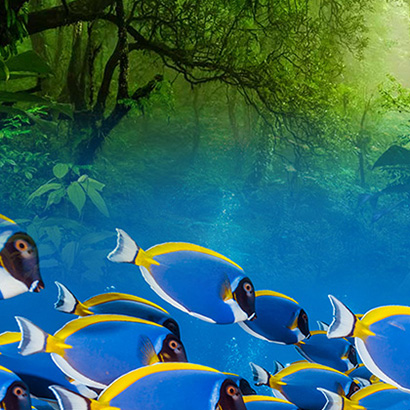

Elephant seals undergo a rapid "catastrophic molt," shedding their entire coat quickly. This unique event highlights their vulnerability and the need for ongoing protection.
These molting seals, and all marine mammals, require our support. It's crucial to safeguard them from legislative changes that could weaken existing protections.
Contact Congress today. Tell them to #DefendMarineMammals and oppose any modifications to the Marine Mammal Protection Act. Take action here: https://bit.ly/2NtJ8Ch

Despite its small size (8-10 inches), the blue-ringed octopus is one of the planet's most venomous animals. Its bright blue rings serve as a clear warning to potential predators.
Learn more in Oceana's Marine Life Encyclopedia.

Manta rays perform graceful barrel rolls when they find a hot spot for food.
Learn more about these majestic animals in Oceana's Marine Life Encyclopedia: Oceana Marine Life Encyclopedia.

Pufferfish, recognized for their endearing smiles, conceal a deadly secret: tetrodotoxin. This potent neurotoxin makes them one of the ocean's most dangerous creatures.
Discover more about pufferfish and a wide array of other fascinating marine life in Oceana's comprehensive Marine Life Encyclopedia.

The Portuguese man o' war is not a jellyfish. Instead, it's a siphonophore, a colony of tiny animals functioning as a single organism.
Discover more about these unique marine animals in Oceana's Marine Life Encyclopedia: https://bit.ly/2HfVI44
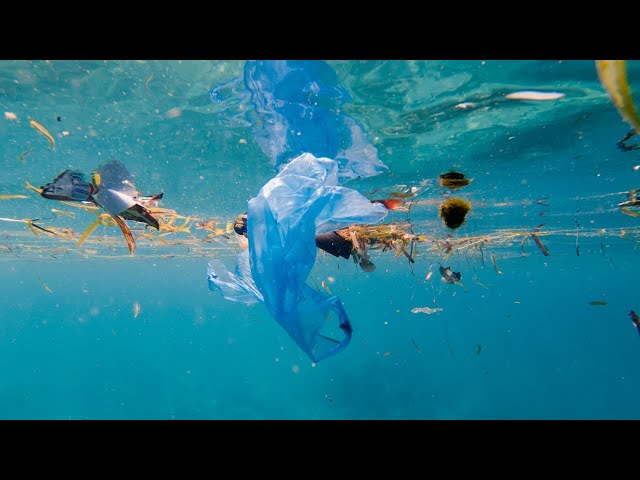
Bioplastics are often marketed as an eco-friendly alternative to traditional plastics. However, this "green" image can be misleading. Many bioplastics are not compostable and cause similar environmental harm, particularly in oceans, as their petroleum-based counterparts.
It's crucial to recognize that not all bioplastics offer a sustainable solution. To truly combat plastic pollution, we must move beyond all forms of plastic.
Join the #BreakFreeFromPlastic challenge here: https://bit.ly/2z3DPkh.

Leatherback turtles, ancient creatures dating back to the age of dinosaurs, are now critically endangered.
A significant new threat comes from plastic pollution. These plastics often resemble jellyfish, the turtles' primary food source, leading to accidental ingestion and severe harm.
Help protect leatherbacks. Take the pledge to #BreakFreeFromPlastic: https://bit.ly/2MgW2Uj

Sharks are vital indicator species for coral reef viability. Without them, fish populations can go unchecked, causing significant damage and threatening the delicate balance of these crucial marine ecosystems.
Join Oceana in demanding a #FinBanNow to protect sharks and ensure the health of our coral reefs. Support the initiative here: Oceana Fin Ban

A young bottlenose dolphin mother has adopted and is caring for a melon-headed whale calf. This unusual interspecies adoption showcases a remarkable bond in the marine world.
Researchers are uncertain why the dolphin chose to nurture a calf from another species, but they speculate it may be due to empathy for the orphaned whale.
Support marine life protection. Join Oceana to help safeguard dolphins and other ocean creatures: Oceana.

#SharkWeek 2019 is more than a celebration; it's a crucial opportunity to protect these magnificent creatures.
Sharks face severe threats from overfishing, with fins from up to 73 million sharks entering the global fin trade annually. This unsustainable practice devastates shark populations worldwide.
It's time to act. Support a #FinBanNow to safeguard sharks for future generations. Learn more here: https://bit.ly/2YxN3UF
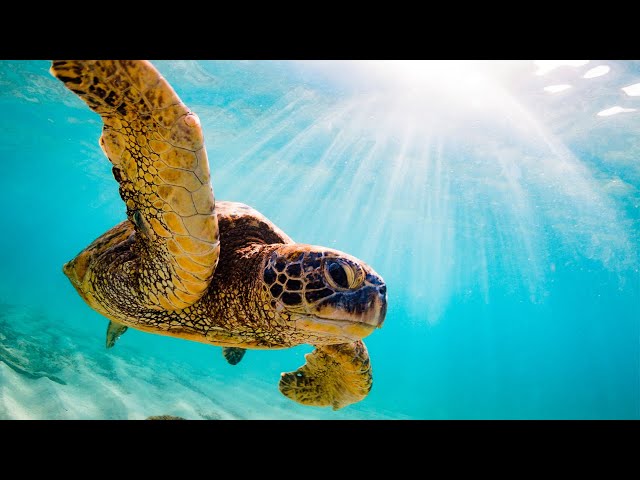
Sea turtle nesting in the U.S. Southeast has reached record numbers. This success stems from crucial initiatives like protecting habitats, upholding the Endangered Species Act, and enforcing Turtle Excluder Devices (TEDs) on trawl boats.
Join Oceana to help save sea turtles: https://bit.ly/30O3Ksr

Eleven Genie's dogfish were observed feasting on a swordfish.
However, the situation quickly reversed when a wreckfish appeared, transforming these predators into its own prey.

A recent study reveals the average American ingests 70,000 microplastic particles annually. This alarming statistic underscores a significant threat to our environment.
The widespread presence of microplastics impacts not only marine ecosystems but also human health. It is crucial to reduce plastic consumption and mitigate these risks.
It's time to #BreakFreeFromPlastic. Learn more here: https://bit.ly/2G52CbO

Since 1950, an estimated 18.2 trillion pounds of plastic have been produced globally. This immense volume is equivalent to manufacturing 1,714 Statues of Liberty in plastic daily for 65 years.
This staggering production highlights the urgent need to address plastic pollution. Join Oceana and pledge to #BreakFreeFromPlastic.
Take the pledge: https://bit.ly/2XGKnPQ

Cephalopods are a class of marine animals that includes octopuses, squids, cuttlefish, and chambered nautiluses.
These creatures vary greatly in size, from tiny to huge. Many are masters of disguise, adept at changing their color and skin texture to blend seamlessly with their environment.
Discover more about these impressive animals in Oceana's Marine Life Encyclopedia: https://bit.ly/2IILvhC

Mile-long drift gillnets indiscriminately trap and drown marine mammals, including endangered sperm whales. This deadly fishing gear kills more marine mammals than all other observed U.S. West Coast Fisheries combined.
Oceana is working to protect at-risk whales and other marine life from these indiscriminate nets. Join their efforts to help save these animals: https://bit.ly/2ZLMXFC

Over 3.9 million thresher sharks are caught annually for the global fin trade.
You can help protect them. Urge your representatives in Congress to pass a #FinBanNow: https://bit.ly/2FlKfin
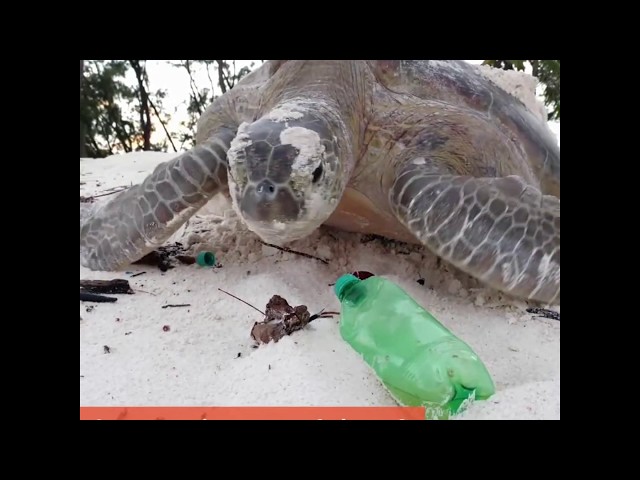
Recycling alone cannot solve our plastics crisis. The fundamental issue is the excessive production of plastics.
Oceana urges companies to prioritize plastic-free alternatives. Join us in advocating for a significant reduction in plastic output: https://bit.ly/2WVh4O7

June 8 is World Oceans Day. You can make a positive impact to help save our oceans through three easy actions.
Join Oceana today to learn how you can contribute to ocean conservation every day. Discover more here: Oceana

Orcas are the most widely distributed mammals globally, second only to humans. These intelligent predators form complex social groups, cooperatively hunting diverse species across the world's oceans.
For more information, explore Oceana's Marine Life Encyclopedia: Oceana's Marine Life Encyclopedia
Environmental Scientist and Advocate
What EarthSayers stands for
Discover Diverse Voices on EarthSayers
Unlike algorithm-driven platforms that push you into a content bubble, we ensure you hear a variety of perspectives from scientists, activists, Indigenous leaders, business innovators, and everyday citizens working toward sustainability.
EarthSayers CINEMA
Watch, learn and lead—sustainability starts with you.
How to Live on Earth | Feature Documentary | Presented by Benedict Cumberbatch
What if the solutions to building a better future already exist? How to Live on Earth is an ambitious documentary that explores how humanity can create a thriving future by collaborating with nature. Presented by Benedict Cumberbatch, the film reveals the potential of teaming up with nature to address our greatest challenges.
Heartwarming and energizing, it offers a hopeful vision for a future where both nature and humanity can thrive. How to Live on Earth is produced by Open Planet Studios in association with Villars Institute Foundation and Silvania. Join the conversation by downloading film assets and sharing your reaction at howtoliveonearth.net/social-toolkit. Explore educational resources from the Villars Institute at YouTube.


