




Special Collections:
Oceans
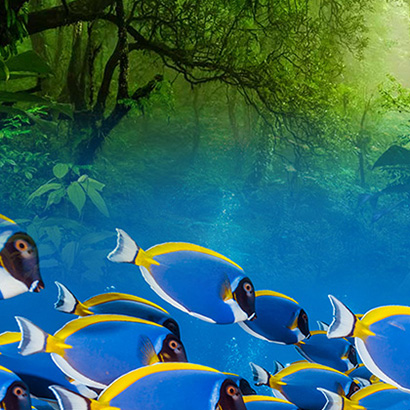

Our oceans are overwhelmed by plastic pollution. The U.S. Congress has introduced the Break Free From Plastic Pollution Act, a landmark bill designed to phase out single-use plastics and shift the responsibility for waste to producing companies.
Protect marine life and our oceans by urging your members of Congress to support this vital legislation. Take action now: http://bit.ly/2Ic52Ga.
Join our community of Wavemakers! Subscribe and stay connected with us: https://www.instagram.com/oceana/, http://twitter.com/oceana, https://www.facebook.com/oceana/.

A marine heatwave, "the Blob," killed 1 million seabirds in the Pacific Ocean. Learn how to combat climate change and support ocean conservation by joining Oceana at [OCEANA.ORG/JOIN](https://www.oceana.org/join).
Subscribe to our channel and become a Wavemaker! Stay connected with Oceana on social media: [Instagram](https://www.instagram.com/oceana/), [Twitter](http://twitter.com/oceana), and [Facebook](https://www.facebook.com/oceana/).

The bobtail squid is a "sit and wait" predator, burying itself in the sand with its eight arms and two tentacles to ambush prey. Discover more about marine life in our encyclopedia: http://bit.ly/2HUBtsG
Subscribe to our channel to join our community of Wavemakers!

On December 7, 2019, C2G convened a UNFCCC COP25 side event to discuss governing emerging marine climate-altering techniques. Thelma Krug, Vice Chair of the Intergovernmental Panel on Climate Change (IPCC), participated in the panel.
These techniques are being explored within the context of the Paris Agreement and the ocean's role in achieving its goals. However, none are ready for large-scale deployment, posing significant technological and governance challenges that require stakeholder attention.
Learn more about marine technology here.

Paul Watson delivered a significant address at the 7th Annual meeting of The Nantucket Project.
Watson, a Canadian-American marine wildlife conservationist and environmental activist, founded the Sea Shepherd Conservation Society. This organization conducts anti-poaching and direct action campaigns for marine conservation.
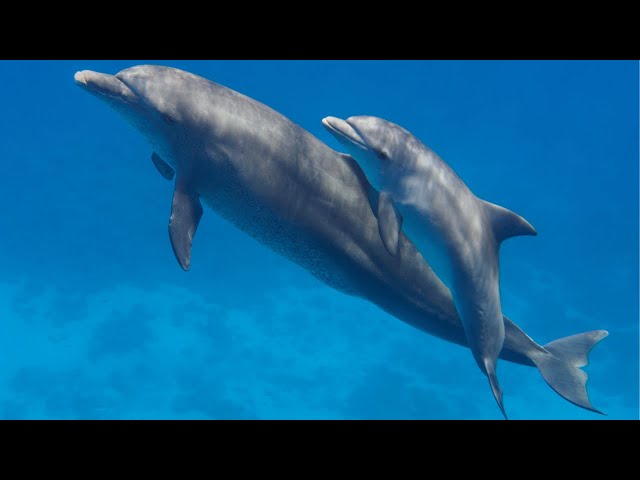

It's time to #BreakFreeFromPlastic. Learn more about our mission and how you can contribute to a healthier ocean: http://bit.ly/390gv7k
Join our community of Wavemakers! Subscribe to our channel to stay updated and make a difference. p>
Stay connected with us on social media: Instagram | Twitter | Facebook

Named for its distinctive head shape, the cownose ray is a moderately sized stingray native to the western Atlantic Ocean. Discover more in our Marine Life Encyclopedia: http://bit.ly/38TIHs6
Join our community of Wavemakers! Subscribe to our channel and stay connected on social media: Instagram, Twitter, and Facebook. p>

Pacific purple sea urchins are easily identified by their distinctive color. Covered in pincers, tube feet, and purple spines, they use these ball-and-socket jointed spines for feeding and protection. Discover more in our Marine Life Encyclopedia: http://bit.ly/314vM48
Subscribe to our channel for more marine life content. Stay connected with us on social media: Instagram, Twitter, and Facebook.

Oceana's new report reveals the beverage industry could prevent 7.6 billion plastic bottles (a 22% reduction) from polluting our oceans annually. This significant decrease is achievable by increasing the volume of soft drinks and water sold in refillable bottles by just 10%.
To protect marine life, Oceana calls on companies to publicly commit to reducing single-use plastic production and increasing their share of refillable bottles. Learn more about this initiative and join our community of Wavemakers: http://bit.ly/2U516hQ.
Stay connected with us on social media: Instagram, Twitter, and Facebook.

The ocean's "snow" is actually a shower of organic material. Discover more fascinating facts [here](http://bit.ly/38eoSLZ).
Subscribe to our channel and join our community of Wavemakers.
Stay connected: Follow us on [Instagram](https://www.instagram.com/oceana/), [Twitter](http://twitter.com/oceana), and [Facebook](https://www.facebook.com/oceana/).

Explore marine forests, reaching 150 feet and housing thousands of species. Learn more in our Marine Life Encyclopedia.
Join our community of Wavemakers by subscribing to our channel.

The saltwater crocodile, the planet's largest reptile, can exceed 23 feet (6.5 m) and 2,200 pounds (1,000 kg). These formidable predators consume nearly any animal, excelling at drowning terrestrial prey. Though named for their ability to survive in full salinity, they typically inhabit brackish coastal waters. Learn more: http://bit.ly/2F5SCOH
Join our community of Wavemakers! Subscribe to our channel and connect with us on social media: Instagram, Twitter, and Facebook. p>

Plastic pollution threatens diverse marine life, from turtles to seabirds. A new study reveals larval fish are also ingesting microplastics at alarming rates. Learn more about these findings and Oceana's efforts: [Oceana's plastics campaign page](http://bit.ly/2Qy8VJq).
Subscribe to our channel to join our community. Stay connected on [Instagram](https://www.instagram.com/oceana/), [Twitter](http://twitter.com/oceana), and [Facebook](https://www.facebook.com/oceana/).

Oceana achieved significant global victories in 2019, spanning from Spain to Chile to Canada. Learn more about our impact: http://bit.ly/2M63fVs.
Join our community of Wavemakers! Subscribe to our channel and stay connected on social media.

Symbolically adopt a clownfish from Oceana to help protect marine life from climate change and ocean acidification. Your donation supports Oceana's campaigns for clean energy solutions, ensuring healthier oceans for future generations. Adopt here: http://bit.ly/2EoLbSm
Join our community of Wavemakers and stay connected with Oceana. Subscribe to our channel and follow us on social media:
Instagram: https://www.instagram.com/oceana/
Twitter: http://twitter.com/oceana
Facebook: https://www.facebook.com/oceana/


Emperor penguins are foraging predators, feeding on fish, squid, and krill in Antarctica's cold currents. Discover more in our Marine Life Encyclopedia.
Subscribe to our channel to join our community of Wavemakers. Stay connected with us on Instagram, Twitter, and Facebook.

Christmas tree worms hide from predators within corals. Discover more about marine life in our [Marine Life Encyclopedia](https://www.oceana.org/marine-life).
Join our community of Wavemakers by subscribing to our channel. Stay connected with us on [Instagram](https://www.instagram.com/oceana/), [Twitter](http://twitter.com/oceana), and [Facebook](https://www.facebook.com/oceana/).

Decorator crabs are opportunistic, camouflaging themselves by attaching items like seaweed, coral, rocks, or small animals to hooked bristles on their shells. They select these materials from their immediate habitat.
Discover more about marine life in our Encyclopedia: Marine Life Encyclopedia.
Join our community and stay connected. Subscribe to our channel, and follow us on Instagram, Twitter, and Facebook.
Environmental Scientist and Advocate
What EarthSayers stands for
Discover Diverse Voices on EarthSayers
Unlike algorithm-driven platforms that push you into a content bubble, we ensure you hear a variety of perspectives from scientists, activists, Indigenous leaders, business innovators, and everyday citizens working toward sustainability.
EarthSayers CINEMA
Watch, learn and lead—sustainability starts with you.
How to Live on Earth | Feature Documentary | Presented by Benedict Cumberbatch
What if the solutions to building a better future already exist? How to Live on Earth is an ambitious documentary that explores how humanity can create a thriving future by collaborating with nature. Presented by Benedict Cumberbatch, the film reveals the potential of teaming up with nature to address our greatest challenges.
Heartwarming and energizing, it offers a hopeful vision for a future where both nature and humanity can thrive. How to Live on Earth is produced by Open Planet Studios in association with Villars Institute Foundation and Silvania. Join the conversation by downloading film assets and sharing your reaction at howtoliveonearth.net/social-toolkit. Explore educational resources from the Villars Institute at YouTube.


