




Special Collections:
Biodiversity

A proposed data center in Southern Nevada could be the first built on public land, approved without public notification, involvement, or environmental review.
This project threatens precious water resources in the drought-stricken Colorado River Basin, harms wildlife habitat, and worsens air pollution. If approved, it may set a precedent for more data centers on public lands nationwide.
Public lands should be preserved for wildlife, biodiversity, and future generations, not exploited for corporate profit. The Center for Biological Diversity plans to appeal this development. Support our efforts to protect public lands by donating at this link.

BREAKING: Our attorneys at @centerforbiodiv have filed an emergency injunction to prevent SpaceX from privatizing 727 acres of the Lower Rio Grande Valley National Wildlife Refuge.
South Texas has limited public land, with only 5 percent of native habitat remaining in the Rio Grande Valley, and even less is publicly accessible. The local communities, wildlife, and Indigenous nations should not have to sacrifice more land for the profit of one of the wealthiest corporations.
Stay tuned and follow us for updates on this ongoing public lands fight.
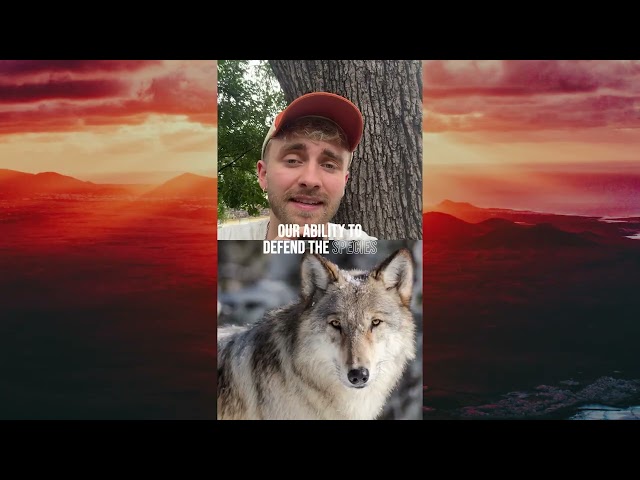
The Center for Biological Diversity is taking legal action against the Trump administration for attempting to weaken crucial habitat protections under the Endangered Species Act. Without these protections, endangered species face increased risks of extinction, as the administration downplays the impact of habitat destruction on wildlife.
As a nonprofit organization based in Tucson, Arizona, we advocate for the preservation of biodiversity, believing that human welfare is intertwined with the health of our natural world. We aim to secure a future for all species through science, law, and creative media. For more information, visit our website or connect with us on Facebook, Instagram, and TikTok.

The Trump administration's changes to the Endangered Species Act have removed crucial habitat protections for endangered wildlife by redefining "harm" and rescinding the blanket rule that offered equal protections for threatened species. This rule, which prohibited actions that could kill or injure these species or destroy their habitats, was initially repealed in 2019 and reinstated in 2024.
We need your voice to urge Congress to restore these essential protections. This fight extends beyond endangered wildlife; it encompasses the environmental laws that safeguard us all. Habitat destruction is the leading cause of extinction, and we cannot save species without protecting their homes. At the Center, we are committed to defending our environmental laws and will not back down.

Endangered species need habitats to survive, yet the Trump administration has weakened protections under the Endangered Species Act by removing the definition of "harm." This change threatens the survival of over 1,000 species, including wolves, grizzly bears, and bald eagles.
The Center for Biological Diversity is fighting this decision in court to protect the Act and the species it supports. Without these protections, activities like logging and mining could more easily invade the last homes of vulnerable wildlife. Join us in this crucial fight by making a gift: https://biodiv.us/4f49LKq

We are suing the Trump administration for attempting to weaken crucial habitat protections under the Endangered Species Act. Without these protections, endangered species face increased risks of extinction.
The administration's claims that habitat destruction does not harm wildlife, such as spotted owls and whooping cranes, are misleading and ignore scientific evidence. We have successfully defended this law in the past and are prepared to do so again. Join us at the link in our bio.

The Trump administration has significantly weakened the Endangered Species Act, posing a severe threat to already vulnerable species. Habitat destruction, the primary cause of extinction, is exacerbated by the removal of these vital protections, which have historically preserved forests, rivers, and essential habitats for wildlife.
This rollback paves the way for increased logging, mining, and drilling in critical areas for endangered species. The Center for Biological Diversity is committed to challenging this decision in court, advocating for the protection of wildlife and natural ecosystems for future generations.

The Trump administration has significantly weakened the Endangered Species Act, posing a serious threat to already vulnerable species. Habitat destruction, the primary cause of extinction, is exacerbated by the removal of these vital protections, which have previously safeguarded forests, rivers, and essential wildlife habitats.
This rollback paves the way for increased logging, mining, and drilling in critical areas, jeopardizing the survival of endangered species. The Center for Biological Diversity is committed to challenging this decision in court, advocating for the protection of wildlife and natural spaces for future generations.

Shorebirds nesting near SpaceX's launch site in South Texas face serious threats. The Lower Rio Grande Valley National Wildlife Refuge, crucial for these birds and other species, has been impacted by rocket explosions that scatter debris, ignite wildfires, and damage habitats.
A 2024 study revealed that all monitored shorebird nests near the launch site experienced egg damage or loss after a launch. Despite this, the U.S. Fish and Wildlife Service proposes to transfer 715 acres of this protected refuge to SpaceX, rather than holding the company accountable. We are suing to prevent this harmful land swap and protect vital wildlife habitats from further destruction.

Some argue that the SpaceX land swap is beneficial, but they overlook a crucial detail: the habitat scoring system used to deem these lands "low value" was developed in collaboration with SpaceX.
It's important to consider whether the lower habitat quality in these areas is a result of years of launches, explosions, and industrial development. The Center emphasizes the importance of scrutinizing the sources behind research. Public lands should not be for sale, and we remain committed to this fight.

SpaceX faces legal action for expanding its operations in Brownsville, Texas, across public and protected coastal ecosystems. What began as a "small testing facility" has grown into a significant industrial footprint, threatening crucial habitats for endangered ocelots, sea turtles, and migratory birds.
The company now seeks to acquire an additional 715 acres of the Lower Rio Grande Valley National Wildlife Refuge for further testing, which is already harming wildlife and plants. The Center for Biological Diversity, alongside other groups, is suing to prevent the U.S. Fish and Wildlife Service from approving this public land grab. Support is needed to defend these vital public lands.

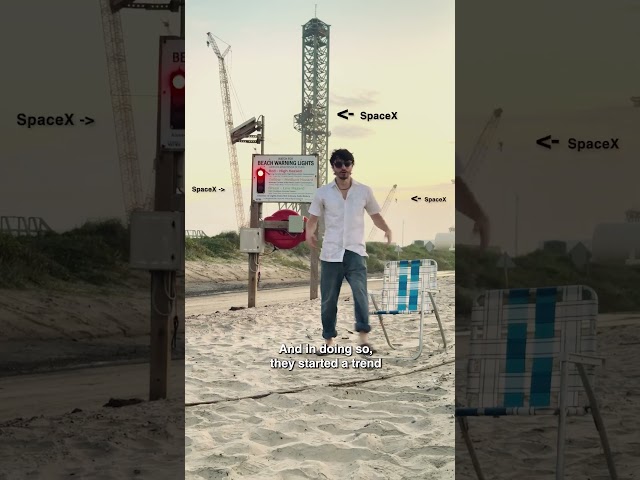
SpaceX faces legal action for its rapid expansion in Brownsville, Texas, impacting a rare coastal ecosystem and public land. What began as a "small testing facility" has grown into an industrial footprint, threatening endangered ocelots, sea turtles, and migratory birds in crucial habitats.
The company now seeks an additional 715 acres from the Lower Rio Grande Valley National Wildlife Refuge for further testing, which is actively harming wildlife and destroying plants. The Center for Biological Diversity, alongside @save.rgv, @sotxejn, and @estok_gna_somisek, are suing the @usfws to prevent this public land grab. Support efforts to defend these vital public lands.

Recent weeks at the Center saw ongoing efforts to defend the Everglades and address border wall issues. Positive developments included the survival of California steelhead protections and the removal of all detainees from the "Alligator Alcatraz" facility in the Everglades.
Despite these wins, environmental damage persists, and legal battles continue. Stay informed on our progress and share our work with those who care about protecting public lands and endangered species.
The "Alligator Alcatraz" detention center in the Everglades is finally closing. While this marks a positive development, the Center's Elise Bennett expressed caution, stating, "the Trump and DeSantis administrations have shown we can’t trust them with Big Cypress’ future."
This critical landscape supports vulnerable wildlife like Florida panthers, bonneted bats, and Everglades snail kites. The Center is committed to ensuring full accountability and complete restoration of the site. Tune in tomorrow for more information from our press conference.

The U.S. Fish and Wildlife Service plans to transfer 715 acres of the Lower Rio Grande Valley National Wildlife Refuge to SpaceX. This vital public land provides critical habitat for endangered ocelots, rare migratory birds, and other wildlife.
SpaceX's operations already harm nearby habitats, with rocket launches scattering debris and damaging shorebird nests. This proposed land transfer further threatens species survival and the integrity of this crucial refuge.
The Center for Biological Diversity is suing to stop this harmful transfer and protect the region's wildlife. Support our fight: Donate Now.
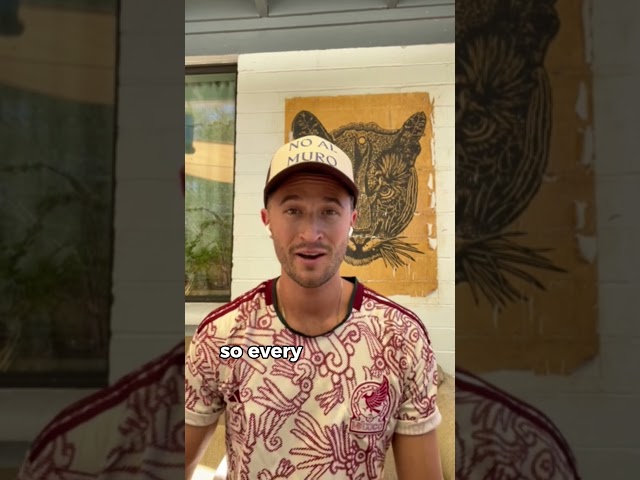
We are suing the U.S. Fish & Wildlife Service over their plan to transfer 715 acres of a public wildlife refuge to SpaceX. This action sacrifices public lands to subsidize a billionaire corporation, which we believe is an unacceptable use of shared resources.
Our co-plaintiffs include the Carrizo/Comecrudo Nation of Texas (@estok_gna_somisek), the South Texas Environmental Justice Network (@sotxejn), and @save.rgv. We extend our gratitude to @uriel.cinema for his footage and dedicated advocacy for the people and wildlife of the Rio Grande Valley.

The accelerating extinction crisis threatens countless species, from sea turtles to ancient forests, and the vital habitats they depend on. Every species deserves a future. 🌎
For nearly four decades, the Center for Biological Diversity has championed the protection of endangered species and wild places. We're not stopping now.
Join us in defending Earth's incredible biodiversity. Right now, your donation will be matched, doubling your impact for wildlife. Act before it's too late.

The Center for Biological Diversity is suing SpaceX to prevent the acquisition of 715 acres within the Lower Rio Grande Valley National Wildlife Refuge. This vital public land in south Texas is home to endangered ocelots, rare migratory birds, and Kemp’s ridley sea turtles.
SpaceX rocket launches have already caused significant environmental damage, including falling debris and harm to wildlife. A 2024 study documented damage to every monitored shorebird nest after a single launch. This lawsuit aims to protect the refuge's wildlife from further suffering due to a harmful land giveaway to a trillionaire-owned corporation.

The Center for Biological Diversity is suing SpaceX to prevent the acquisition of 715 acres within the Lower Rio Grande Valley National Wildlife Refuge. This critical South Texas habitat is home to endangered ocelots, rare migratory birds, and Kemp’s ridley sea turtles.
SpaceX rocket launches have already caused significant environmental damage, including falling debris and harm to shorebird nests, as documented by a 2024 study. This lawsuit aims to protect the refuge's wildlife from further suffering due to corporate expansion.
Environmental Scientist and Advocate
What EarthSayers stands for
Discover Diverse Voices on EarthSayers
Unlike algorithm-driven platforms that push you into a content bubble, we ensure you hear a variety of perspectives from scientists, activists, Indigenous leaders, business innovators, and everyday citizens working toward sustainability.
EarthSayers CINEMA
Watch, learn and lead—sustainability starts with you.
How to Live on Earth | Feature Documentary | Presented by Benedict Cumberbatch
What if the solutions to building a better future already exist? How to Live on Earth is an ambitious documentary that explores how humanity can create a thriving future by collaborating with nature. Presented by Benedict Cumberbatch, the film reveals the potential of teaming up with nature to address our greatest challenges.
Heartwarming and energizing, it offers a hopeful vision for a future where both nature and humanity can thrive. How to Live on Earth is produced by Open Planet Studios in association with Villars Institute Foundation and Silvania. Join the conversation by downloading film assets and sharing your reaction at howtoliveonearth.net/social-toolkit. Explore educational resources from the Villars Institute at YouTube.


