




Special Collections:
Oceans
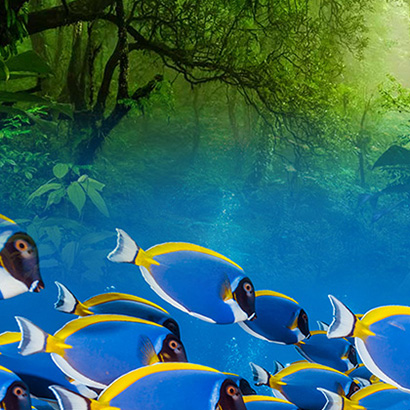

Some ocean moms face extreme physical challenges to raise their young. Discover how sea otter, blue whale, and octopus mothers make significant sacrifices for their offspring.
The last example might surprise you!

The peacock mantis shrimp boasts one of the fastest strikes in the animal kingdom!
Discover more about these fascinating crustaceans in our Marine Life Encyclopedia.

July was a month of significant achievements for ocean conservation! 🐚 ✨
From efforts to protect endangered species to new initiatives focused on restoring marine habitats, these actions are set to create positive change for our blue planet.
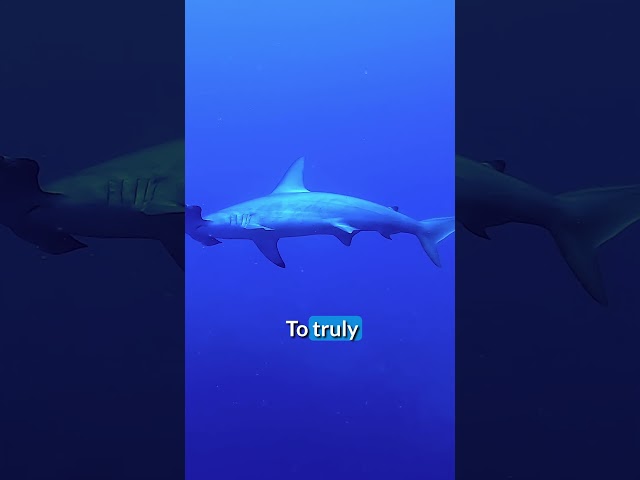
Sharks are facing significant challenges, but we can work together to protect these remarkable creatures.
It's #SharkWeek, an ideal opportunity to discover the importance of sharks and how we can safeguard them and their ocean habitat. Dive in at https://oceana.ly/4bkRc2m.

Did you know that mobula rays have wing-like fins that enable them to leap out of the water? This unique ability has earned them the nickname "flying rays!"
To learn more about these fascinating high-flying fish, visit Oceana.

Clownfish are among the most devoted fathers in the ocean. While the female defends their territory, the male diligently guards the eggs until they hatch.
#clownfish #animalfacts #animaldads

Discover the intriguing world of marine motherhood with Ana Silverio from Oceana's Science team. Learn how dolphin moms use a form of "baby talk" and how some octopus mothers guard their eggs for over four years. Silverio explores how these mothers communicate, teach, and protect their young while highlighting the threats posed by human activities like ocean pollution and climate change.
Stay connected with Oceana by subscribing for more videos at https://oceana.ly/subscribe. Join the movement as a Wavemaker at https://oceana.ly/4rGhn8Z. Follow Oceana on Facebook, Instagram, X, and TikTok.

Tuna do more than swim across oceans; they connect countries. Dr. Kathryn Matthews, Oceana's Chief Scientist, discusses the importance of global cooperation in managing tuna populations.
Long migrations of tuna necessitate collaborative efforts to maintain healthy stocks and ensure sustainable fishing practices for the future.

Sea otters were once heavily hunted for their fur, leading to a dramatic decline in their population to just a few thousand by the 1900s. However, the Endangered Species Act has played a crucial role in their recovery.
This video highlights five marine animals that have benefited from the protections of the Endangered Species Act in the U.S. Join us in supporting this vital law and defending endangered species at oceana.ly/ESA.

Sharks are remarkable creatures with a lineage spanning over 420 million years. Join Marine Scientist Alex Aines from Oceana as she shares five incredible facts about these ocean predators, including the 500-year-old Greenland sharks and bull sharks that swim in rivers. Learn why sharks are vital for maintaining balanced marine ecosystems.
Unfortunately, many shark populations face threats from overfishing, habitat loss, and poor fisheries management. Discover how you can help protect these essential species by visiting Oceana. Don't forget to subscribe to Oceana for more videos and become a Wavemaker to advocate for ocean conservation. Follow Oceana on Facebook, Instagram, X, and TikTok.

The saltwater crocodile is the largest living reptile, known for having the strongest documented bite in the animal kingdom.
Discover more about these impressive creatures in our Marine Life Encyclopedia.

In 2021, Coca-Cola ceased selling refillable glass bottles in Samoa, opting for single-use plastic bottles instead. This shift poses a significant environmental challenge, as Samoa lacks adequate recycling facilities, leading to increased pollution in the ocean.
Recently, members of the Samoan and Pacific Islander communities gathered in London to urge Coca-Cola's largest bottler to protect the ocean and reinstate reusable packaging. They emphasize that Coca-Cola has the solutions needed to address this issue. Join the call for change by signing the petition at oceana.ly/Coca-Cola.

The deep sea, characterized by complete darkness, is home to a vast and fragile ecosystem. It teems with an array of colorful marine life, much of which remains undiscovered.
Despite its hidden nature, this unique environment faces increasing threats. As governments and companies accelerate deep-sea mining efforts, Oceana is actively working to defend these vital habitats.

Broadclub cuttlefish are remarkable masters of disguise, capable of instantly changing their body patterns. They have been observed displaying up to 13 distinct designs, adapting their appearance at will.
Discover more about these fascinating mollusks in our Marine Life Encyclopedia: oceana.ly/4azTla1

Coral reefs, often called "rainforests of the sea," surprisingly thrive in nutrient-poor ocean deserts. Despite these challenging conditions, they host a quarter of the world's marine fish species.
Dr. Kathryn Matthews, Oceana's Chief Scientist, explains how these vibrant ecosystems sustain such incredible biodiversity.
June brought significant developments for our oceans. The month featured positive stories, from wildlife being recognized as climate allies to remarkable deep-sea discoveries.
Don't miss these important updates on marine life and ocean conservation.

Rare underwater footage captured a faceless cusk eel, named for its unusual appearance. It lacks visible eyes; the dots on its face are actually nostrils. This fish also possesses a small, extendable mouth underneath its head, used to capture food.
NOAA scientists discovered this unique eel during a deepwater exploration of the Marianas. Its peculiar features are likely adaptations to the deep sea's low-light environment, where sight offers little advantage.
Giant manta rays, severely impacted by commercial overfishing and bycatch, were listed as threatened under the Endangered Species Act (ESA) in 2018. Extensive research and recovery efforts are now underway to protect them.
The ESA has been crucial in safeguarding marine animals. We're highlighting five species it helped protect. Join us in defending this landmark law and vulnerable species by visiting https://oceana.ly/ESA.

Banded sea kraits are amphibious reptiles that hunt in coral reefs. 🐍 Like their terrestrial relatives, cobras, these snakes possess fangs containing powerful venom.
Explore more about banded sea kraits in our Marine Life Encyclopedia.

The world's biggest sporting events, such as the World Cup, should not contribute to global plastic waste. It's crucial to address the environmental impact of these major spectacles.
We urge Coca-Cola and FIFA to commit to reusable solutions and help eliminate single-use plastic from sports stadiums permanently. Take action now: Tell Coca-Cola and FIFA to commit to reuse.
Environmental Scientist and Advocate
What EarthSayers stands for
Discover Diverse Voices on EarthSayers
Unlike algorithm-driven platforms that push you into a content bubble, we ensure you hear a variety of perspectives from scientists, activists, Indigenous leaders, business innovators, and everyday citizens working toward sustainability.
EarthSayers CINEMA
Watch, learn and lead—sustainability starts with you.
How to Live on Earth | Feature Documentary | Presented by Benedict Cumberbatch
What if the solutions to building a better future already exist? How to Live on Earth is an ambitious documentary that explores how humanity can create a thriving future by collaborating with nature. Presented by Benedict Cumberbatch, the film reveals the potential of teaming up with nature to address our greatest challenges.
Heartwarming and energizing, it offers a hopeful vision for a future where both nature and humanity can thrive. How to Live on Earth is produced by Open Planet Studios in association with Villars Institute Foundation and Silvania. Join the conversation by downloading film assets and sharing your reaction at howtoliveonearth.net/social-toolkit. Explore educational resources from the Villars Institute at YouTube.


