




Special Collections:
Oceans
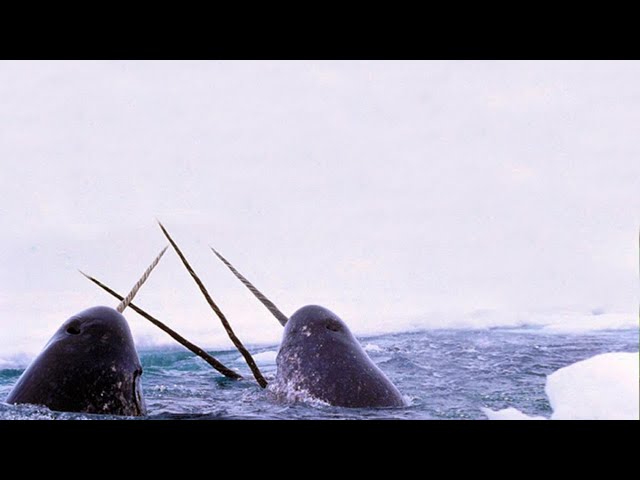
The adult male narwhal is unmistakable, known for its unique tusk. This tusk, actually an upper jaw tooth, can exceed six feet in length, making it unlike any other marine mammal. Discover more in our [Marine Life Encyclopedia](https://bit.ly/2X7E3np).
Subscribe to our channel to join our community. Stay connected with us on [Instagram](https://www.instagram.com/oceana/), [Twitter](http://twitter.com/oceana), and [Facebook](https://www.facebook.com/oceana/).

Comb jellies shine without bioluminescence. Their cilia, or "combs," reflect light, creating a vibrant rainbow of colors.
Learn more in Oceana's [Marine Life Encyclopedia](https://www.oceana.org/marine-life). Join our community of Wavemakers by subscribing to our channel! p>
Stay connected: [Instagram](https://www.instagram.com/oceana/), [Twitter](http://twitter.com/oceana), [Facebook](https://www.facebook.com/oceana/).

Green moray eels appear so due to yellow mucus on their brownish-grey skin. Discover more about them in our Marine Life Encyclopedia: https://bit.ly/361OV9a
Join our Wavemakers community! Subscribe to our channel and connect with us on social media: Instagram (https://www.instagram.com/oceana/), Twitter (http://twitter.com/oceana), and Facebook (https://www.facebook.com/oceana/).

The box jellyfish is one of the world's most venomous creatures, featuring tentacles that can reach up to three meters long. Learn more in our Marine Life Encyclopedia.
Subscribe to our channel and join our community of Wavemakers! p>
Stay connected: Follow us on Instagram, Twitter, and Facebook.

Research suggests our oceans can be restored by 2050, with many marine species already rebounding globally. Despite this progress, plastic pollution, climate change, and overfishing still pose significant threats to these vital ecosystems.
Join Oceana to help protect and restore our oceans: https://bit.ly/2WNmRm0. Become a Wavemaker and support our mission.

The coconut octopus earns its name by constructing dens from discarded coconut shells found on muddy coastal seafloors. Discover more: https://bit.ly/2yAQi2B
Subscribe to our channel and join our community of Wavemakers!
Stay connected with us on Instagram: https://www.instagram.com/oceana/, Twitter: http://twitter.com/oceana, and Facebook: https://www.facebook.com/oceana/.

Access the full "Hindsight 2020" report directly on the Oceana website: oceana.org/hindsight2020.
Music for this project was provided by Adam Lindquist, available at adamlindquist.com, and Spearfisher, found at sprfshr.com.

Music for this project is composed by Adam Lindquist.
Explore more of his work by visiting his official website: adamlindquist.com.
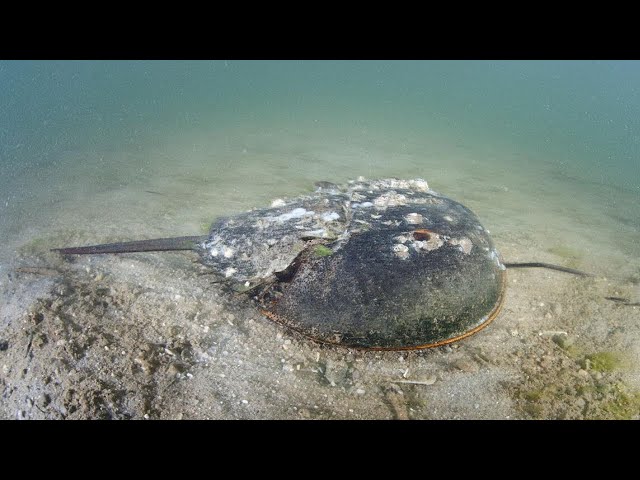
The American horseshoe crab is neither a true crab nor a crustacean, being more closely related to spiders and scorpions. These ancient creatures roamed the seafloor over 200 million years before dinosaurs existed. Learn more in our Marine Life Encyclopedia.
Join our community of Wavemakers! Subscribe to our channel.


The southern rockhopper penguin is named for its distinctive hopping behavior on land, a trait that sets it apart from most other penguins. Unlike their more awkward counterparts, rockhoppers navigate terrestrial environments with surprising agility. Learn more: https://bit.ly/3bYatVU
Join our community of Wavemakers by subscribing to our channel.

The Peacock mantis shrimp, a vibrant crustacean inhabiting Indo-Pacific coral reefs, is renowned for its incredibly fast and powerful punch.
This strike, delivered with specialized front appendages, is among the fastest movements in the animal kingdom. It is strong enough to shatter aquarium glass and effectively dispatch prey.
Learn more: https://bit.ly/3aSd9EN

Peru's ocean is the world's most productive marine ecosystem, featuring the unique Nazca Ridge. However, less than 0.5% of Peru's ocean is currently protected, leaving this vital habitat vulnerable.
Join Oceana in urging President Vizcarra to establish the Nazca Ridge Marine Protected Area. This crucial step will help restore Peru's abundant oceans for future generations. Take action here: https://bit.ly/2UyXTXj

Explore different ray species in Oceana's Marine Life Encyclopedia: https://bit.ly/3blpPno
Subscribe to our channel and join our community of Wavemakers! p>
Connect with us on social media: Instagram: https://www.instagram.com/oceana/, Twitter: http://twitter.com/oceana, Facebook: https://www.facebook.com/oceana/.

The scarlet frogfish, an ambush predator of Indian and Pacific coral reefs, is a master of disguise. Difficult to spot, it uses modified fins resembling legs to move and rest, which gives it its common name. Learn more: http://bit.ly/33tS4xt
Subscribe to our channel and join our community of Wavemakers! Stay connected with us on: Instagram: https://www.instagram.com/oceana/, Twitter: http://twitter.com/oceana, and Facebook: https://www.facebook.com/oceana/

Nearly $1 million in shark fins were seized at Miami's port. Demand a U.S. fin trade ban by calling for #FinBanNow: http://bit.ly/2PNaUK7
Subscribe to our channel and join our community of Wavemakers.
Stay connected with us on social media: Instagram, Twitter, and Facebook.
Environmental Scientist and Advocate
What EarthSayers stands for
Discover Diverse Voices on EarthSayers
Unlike algorithm-driven platforms that push you into a content bubble, we ensure you hear a variety of perspectives from scientists, activists, Indigenous leaders, business innovators, and everyday citizens working toward sustainability.
EarthSayers CINEMA
Watch, learn and lead—sustainability starts with you.
How to Live on Earth | Feature Documentary | Presented by Benedict Cumberbatch
What if the solutions to building a better future already exist? How to Live on Earth is an ambitious documentary that explores how humanity can create a thriving future by collaborating with nature. Presented by Benedict Cumberbatch, the film reveals the potential of teaming up with nature to address our greatest challenges.
Heartwarming and energizing, it offers a hopeful vision for a future where both nature and humanity can thrive. How to Live on Earth is produced by Open Planet Studios in association with Villars Institute Foundation and Silvania. Join the conversation by downloading film assets and sharing your reaction at howtoliveonearth.net/social-toolkit. Explore educational resources from the Villars Institute at YouTube.


