



Special Collections:
The Circular Economy


Aluminium and copper constitute the majority of a phone's mass, while trace metals and rare earths, though minimal in quantity, are crucial and recoverable. Currently, there is little incentive to recover these materials.
Changing the incentive structure can transform material flow in the economy. For the full episode, check the link in the bio.
The Ellen MacArthur Foundation is dedicated to promoting a circular economy to address climate change, biodiversity loss, waste, and pollution. Subscribe for more insights: YouTube. Learn more about our work at ellenmacarthurfoundation.org.

Sean Jones, Circular Technology Lead at the Ellen MacArthur Foundation, reflects on a day spent disassembling phones with industry teams and iFixit. The challenge lies in the glue used to assemble phones, making repairs costly and often leading to device disposal. Additionally, some components are digitally locked, preventing unauthorized replacements from functioning.
However, improved design practices and emerging right-to-repair laws offer hope for extending the life cycles of critical materials in our devices. Tune in to the latest episode of The Circular Economy Show for more insights.
Subscribe to the Ellen MacArthur Foundation on YouTube for more videos: YouTube Channel. Learn more about our work at ellenmacarthurfoundation.org.

Data centres will source minerals from various locations. While mining will continue, the focus is on reducing the need for new materials by extending the life of devices through proper recycling.
Listen to the latest episode of The Circular Economy Show. The Ellen MacArthur Foundation is dedicated to promoting a circular economy to address climate change, biodiversity loss, waste, and pollution. Subscribe for more insights: YouTube. Follow us on Instagram: Instagram and LinkedIn: LinkedIn.

Discover how the over two billion phones expected to go to waste in North America can transform into economic and design opportunities in the latest episode of The Circular Economy Show.
The Ellen MacArthur Foundation is dedicated to accelerating the transition to a circular economy, addressing critical issues like climate change and pollution. Subscribe for more insights: YouTube. Learn more about our initiatives at ellenmacarthurfoundation.org and follow us on Instagram and LinkedIn.

After returning your phone, a staggering 96% of critical minerals in North America’s devices are either exported or end up in landfills, according to the Ellen MacArthur Foundation's report, ‘Missing signal: Unlocking a circular economy for mobile phones in North America.’ Authors Sean Jones and Xain Storey discuss the breakdown in the recycling chain and the importance of design, repair, and policy in addressing this issue, especially as AI increases demand for minerals like copper and cobalt.
Join the conversation on how a circular economy can mitigate this demand and explore topics such as the right to repair, the challenges of recycling phones, and innovative design solutions. For more insights, subscribe to The Ellen MacArthur Foundation on YouTube: YouTube Channel.

What happens after you return your phone? The Ellen MacArthur Foundation’s report, ‘Missing signal: Unlocking a circular economy for mobile phones in North America,’ reveals that up to 96% of critical minerals in North American phones are either exported or end up in landfills. Authors Sean Jones and Xain Storey discuss the breakdown in the supply chain and the necessary design, repair, and policy changes needed, especially as demand for minerals like copper and cobalt rises due to AI.
For more insights, listen to the full episode. The Ellen MacArthur Foundation is dedicated to promoting a circular economy to address climate change and pollution. Subscribe for more videos: YouTube. Learn more about our work at ellenmacarthurfoundation.org.

In this episode of Circular Snapshots, we cover key circular economy developments from August to October. Highlights include the World Circular Economy Forum's debut in South Asia and its upcoming event in New York, over 70 developing countries advocating for a robust plastics treaty, and the imminent EU Circular Economy Act. Additionally, Octopus Energy and CATL are collaborating on shared truck battery infrastructure, while a new report explores the challenges of financing textile recycling.
Thank you for watching! The Ellen MacArthur Foundation is dedicated to accelerating the transition to a circular economy to address critical issues like climate change and pollution. Subscribe for more insights: YouTube. Learn more about our work at ellenmacarthurfoundation.org.
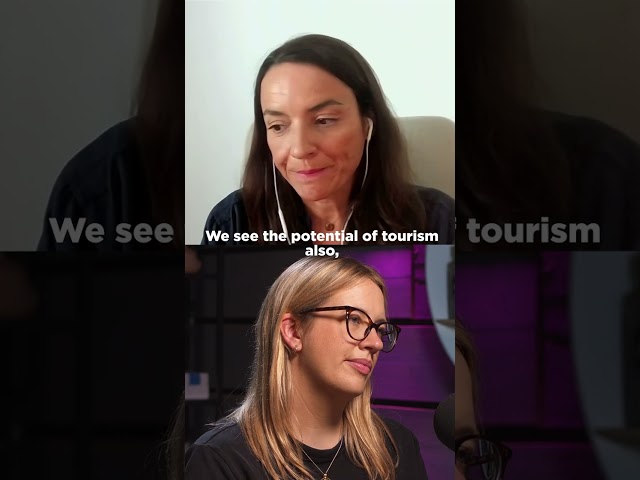
Can your holiday change your perspective on waste? Iberostar has established over 1,300 water refill stations, eliminating the need for single-use plastic bottles in its hotels. Virginia Fernández-Trapa from @[UN Tourism handle] highlights the potential of tourism to promote circular solutions, allowing guests to adopt sustainable habits.
Thank you for watching! The Ellen MacArthur Foundation is dedicated to accelerating the transition to a circular economy to address climate change, biodiversity loss, waste, and pollution. Subscribe for more insightful videos: YouTube. Learn more about our work at ellenmacarthurfoundation.org. Follow us on Instagram and LinkedIn.
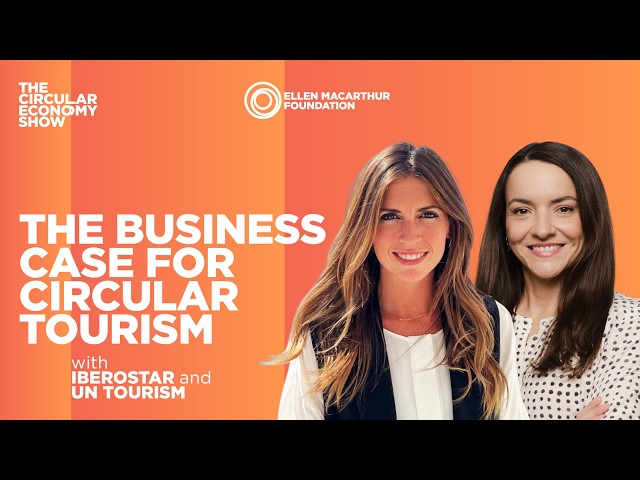
Thank you for watching this video. The Ellen MacArthur Foundation is an international charity dedicated to accelerating the transition to a circular economy, addressing critical issues like climate change, biodiversity loss, waste, and pollution.
Subscribe for more insightful videos: YouTube. Learn more about our work at ellenmacarthurfoundation.org. Follow us on Instagram and LinkedIn.

In remote destinations, hotels may struggle with waste management due to a lack of local infrastructure for reuse and recycling. This week on the Circular Economy Show, Virginia Fernández-Trapa from UN Tourism discusses the importance of developing the right infrastructure for circular tourism.
Thank you for watching! The Ellen MacArthur Foundation is dedicated to accelerating the transition to a circular economy to address challenges like climate change and pollution. Subscribe for more insights: YouTube. Learn more about our work at ellenmacarthurfoundation.org and follow us on Instagram and LinkedIn.

On November 18, tourism will be a key topic at COP31 in Antalya, Türkiye, focusing on zero waste and the circular economy. This week on The Circular Economy Show, Pippa speaks with Patricia Dueñas from Iberostar Hotels & Resorts and Virginia Fernández-Trapa from UN Tourism about the practicalities of circular tourism, emphasizing the need for local infrastructure, consistent policies, and coordination.
The year ahead is crucial as 2027 is designated the UN’s International Year of Sustainable and Resilient Tourism. This presents an opportunity for businesses and destinations to collaborate on sustainable practices.
For more insights, subscribe to The Ellen MacArthur Foundation on YouTube: YouTube Channel. Learn more about our mission at ellenmacarthurfoundation.org.

Thank you for watching! The Ellen MacArthur Foundation is an international charity dedicated to accelerating the transition to a circular economy, addressing critical issues like climate change, biodiversity loss, waste, and pollution.
Subscribe for more insightful videos on their YouTube channel. Learn more about their work at ellenmacarthurfoundation.org. Follow them on Instagram and LinkedIn.
Virginia Fernández-Trapa from UN Tourism emphasizes that evidence is key to making circularity an investable asset. While data exists for food waste, more information is needed for plastics and textiles.
The Ellen MacArthur Foundation is dedicated to accelerating the transition to a circular economy to address major challenges like climate change and pollution. Subscribe for more insights: YouTube. Learn more about our work at ellenmacarthurfoundation.org and follow us on Instagram and LinkedIn.

The circular economy has many informative diagrams, but do they inspire action? While diagrams can explain systems, they often lack the emotional impact needed to motivate change. Watch the full episode to explore this topic further.
The Ellen MacArthur Foundation is dedicated to accelerating the transition to a circular economy, addressing critical issues like climate change and pollution. Subscribe for more insightful videos: YouTube. Learn more about our work at ellenmacarthurfoundation.org and follow us on Instagram and LinkedIn.

In this week's episode of the Circular Economy Show, @Joe Iles interviews @Zaid Hassan about his book's conclusion that "it's not that hard" to implement change, despite the extensive efforts of many organizations. Zaid argues that much of this effort is misdirected, noting that the real challenge lies in solving a problem for the first time, after which others will follow suit.
Watch the full conversation and subscribe to the Circular Economy Show to stay updated. The Ellen MacArthur Foundation is dedicated to accelerating the transition to a circular economy to address major global challenges. Subscribe for more insightful videos here, and learn more about our work at ellenmacarthurfoundation.org.
Zaid Hassan discusses why top-down rollouts fail to resonate locally, emphasizing the importance of adaptable solutions for implementing the circular economy.
Watch the full episode for more insights. The Ellen MacArthur Foundation is dedicated to accelerating the transition to a circular economy to address climate change, biodiversity loss, waste, and pollution. Subscribe for more videos: YouTube. Learn more about our work at ellenmacarthurfoundation.org. Follow us on Instagram and LinkedIn.

AI is increasingly capable of analysis, but implementing the circular economy requires different skills and practices that we are not trained in. Discover more about this crucial topic in the full episode.
The Ellen MacArthur Foundation is dedicated to accelerating the transition to a circular economy to address major challenges like climate change and pollution. Subscribe for more insightful videos: YouTube. Learn more about our work at ellenmacarthurfoundation.org and follow us on Instagram and LinkedIn.
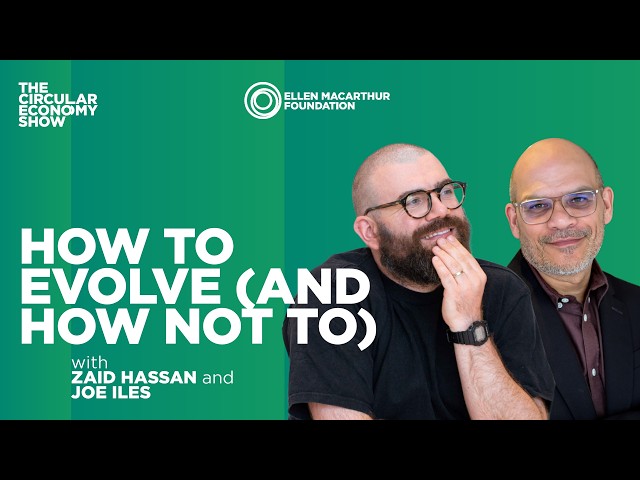
Zaid Hassan, a strategist and writer with 25 years in systems change, critiques the field for its ineffective progress. In a conversation with Joe Iles, he discusses the disconnect between beautiful diagrams and real change, emphasizing that AI will soon take over many skills. His new book concludes with the phrase "it's not that hard," highlighting a simpler approach to systems change.
Hassan has advised global organizations like the World Bank and Oxfam and authored notable works including Social Labs Revolution (2014) and How To Evolve And How Not To (2026). Learn more about his work at xinx.co. For more insights, subscribe to The Ellen MacArthur Foundation on YouTube at this link.

Zaid Hassan, a strategist and writer with 25 years of experience in systems change, critiques the field for relying on ineffective diagrams and skills that AI will soon replace. In a conversation with Joe Iles, he shares insights from his new book, emphasizing that meaningful change is achievable.
Hassan has advised organizations like the World Bank and Oxfam and authored notable works including Social Labs Revolution (2014) and How To Evolve And How Not To (2026). For more insightful videos, subscribe to the Ellen MacArthur Foundation. Learn more about our mission to promote a circular economy at ellenmacarthurfoundation.org.

New materials can be costly, and added premiums from suppliers can inflate prices for brands. In this week's episode of the Circular Economy Show, Georgia Parker from Fashion for Good proposes that brands pay the premium directly to material producers, allowing the rest of the supply chain to function normally.
The full conversation is available now. The Ellen MacArthur Foundation is dedicated to accelerating the transition to a circular economy to address critical issues like climate change and pollution. Subscribe for more videos: YouTube. Learn more about our work at ellenmacarthurfoundation.org.
Environmental Scientist and Advocate

