




Special Collections:
Biodiversity
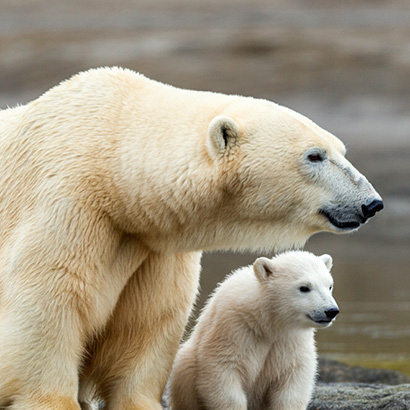

Cooper Freeman, the Center’s Alaska Director, is documenting the proposed Johnson Tract Mine project and its potential impact on the wild landscapes of Lake Clark National Park. This area is vital for clean water, salmon runs, endangered Cook Inlet belugas, and various wildlife.
The mine poses risks of severe water pollution and industrial noise, threatening the pristine habitats that wildlife rely on. Protecting national parks also means safeguarding the surrounding ecosystems. Support our efforts to stop this project: https://biodiv.us/4hRnNAi.

The Center for Biological Diversity is a nonprofit based in Tucson, Arizona, dedicated to preserving the diversity of wild animals and plants. We believe that human welfare is closely tied to nature, and we strive to protect species at risk of extinction through science, law, and creative media.
Our mission is to ensure future generations inherit a vibrant natural world. Connect with us on our website, Twitter, Facebook, Instagram, and TikTok. For inquiries, email us at center@biologicaldiversity.org.
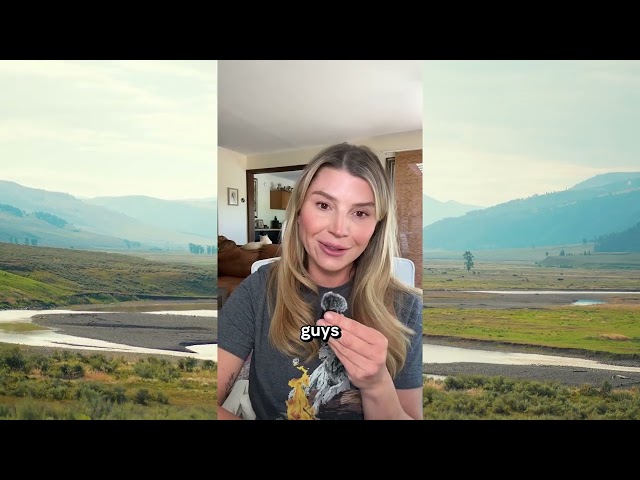
Four wolves have been killed in Wyoming’s Hunt Areas 1 and 2, where Yellowstone’s Mollie’s pack has been sighted this year. The hunt zones are now closed, and it remains unclear if any of the killed wolves were from the pack until Wyoming releases its report in the spring.
Over 113,000 messages have called for the protection of Mollie’s pack, Yellowstone’s longest-established wolf family. We are bringing these voices to the Wyoming Game and Fish Commission meeting this week, advocating for the closure of hunting areas that threaten the pack. Mollie’s pack, led by the 12-year-old matriarch 1090F, has inspired many and contributed to science for decades. We are also pursuing legal action to restore federal protections for Northern Rockies wolves.

What if the solutions to building a better future already exist? How to Live on Earth is an ambitious documentary that explores how humanity can create a thriving future by collaborating with nature. Presented by Benedict Cumberbatch, the film reveals the potential of teaming up with nature to address our greatest challenges.
Heartwarming and energizing, it offers a hopeful vision for a future where both nature and humanity can thrive. How to Live on Earth is produced by Open Planet Studios in association with Villars Institute Foundation and Silvania. Join the conversation by downloading film assets and sharing your reaction at howtoliveonearth.net/social-toolkit. Explore educational resources from the Villars Institute at YouTube.

Wolf hunting season has begun in Wyoming, raising concerns for wolves in the Northern Rockies. While wolf packs like Mollie’s are protected within Yellowstone National Park, they face danger once they enter the Trophy Hunting Zone.
Next week, we will advocate for Mollie’s pack in front of the Wyoming Game and Fish Commission in Evanston, Wyoming. This historically significant pack needs our support. Join us in urging the Commission to protect these wolves by following the link in our bio.

The administration has dealt a significant blow to the Endangered Species Act, further weakening it this summer. The U.S. Fish and Wildlife Service aims to make it easier to kill imperiled wildlife by removing accountability for accidental deaths of endangered species.
However, claiming "it wasn’t intentional" does not prevent extinction. We must not allow the administration to undermine our essential environmental protections. Join us in the fight to save endangered species.
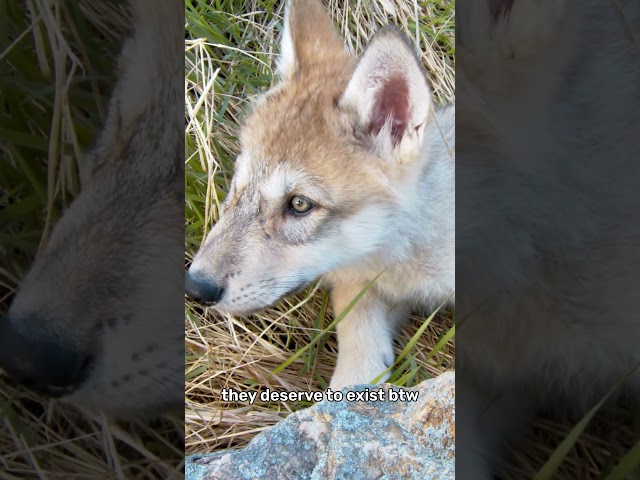
Last week, Trump announced an executive order to remove endangered species protection for gray wolves and Mexican gray wolves, jeopardizing decades of conservation efforts. With only 317 Mexican gray wolves remaining in the wild, it is crucial to advocate for their protection.
The Center for Biological Diversity, a nonprofit based in Tucson, Arizona, is committed to preserving the diversity of wild animals and plants. We believe in the intrinsic value of biodiversity and work to secure a future for all species. Join our fight to protect these wolves: Take action here.

Renowned wolf naturalist and author Rick McIntyre has dedicated decades to helping people understand wolves. In this clip, he addresses a common misconception about these animals, sharing insights from his lifetime of observations in Yellowstone.
Support the protection of Yellowstone wolf families, such as Mollie's Pack, by taking action at the link in our bio.

Renowned wolf biologist and author Rick McIntyre has dedicated his life to observing and sharing the stories of wild wolves. The Center for Biological Diversity recently spoke with him, highlighting the rich relationships and personalities of these remarkable animals.
As wolves in Yellowstone’s Mollie’s Pack face serious threats, Rick’s insights remind us of the importance of their lives and families. We encourage you to take action to protect them at the link in our bio. 🐺 Special thanks to @yellowstone_406 for providing incredible wolf footage.

Every year, Yellowstone’s iconic wolves, such as Mollie’s Pack, face the threat of being killed by recreational hunters if they cross the invisible boundary of Yellowstone National Park.
This year, the Mollie’s Pack, one of the oldest and most studied wolf families, has ventured into Wyoming. Join the Center in urging Wyoming Game and Fish to protect the Mollie’s and other beloved Yellowstone wolves from hunters as they leave the safety of the Park.

Discover Kierán Suckling's inspiring journey of advocacy and resilience at The Center for Biological Diversity. His story emphasizes the importance of love and determination in creating meaningful impact.
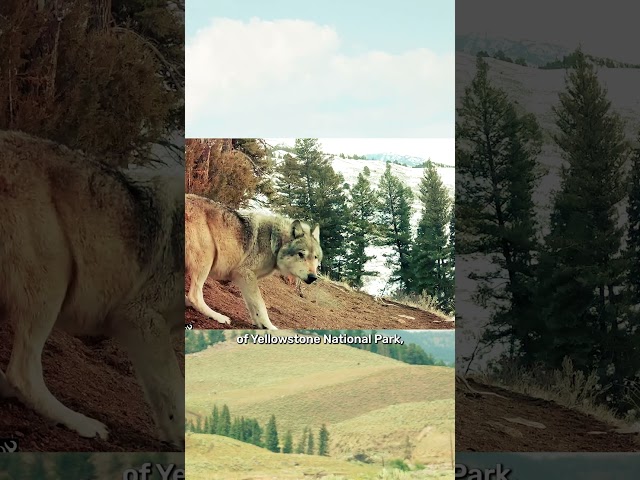

Red wolves once roamed the eastern United States but are now critically endangered, surviving only in North Carolina. They are the focus of a new campaign by the Center for Biological Diversity, aiming to raise awareness and support for their conservation.
The Center for Biological Diversity, a nonprofit based in Tucson, Arizona, advocates for the protection of diverse wildlife and ecosystems. They utilize science, legal action, and creative media to combat extinction and promote a sustainable future for all species. Learn more at biologicaldiversity.org.
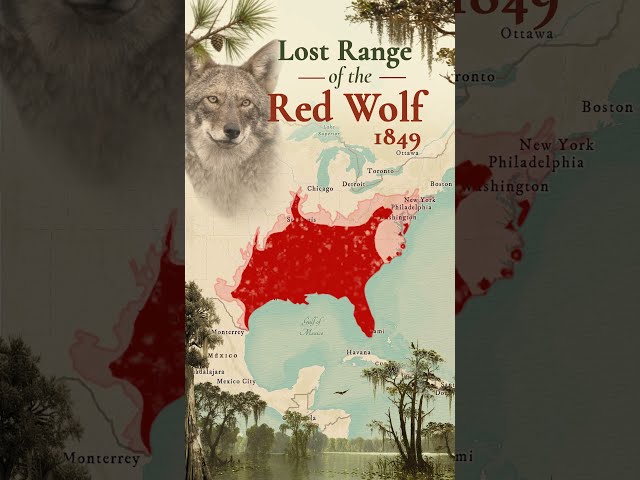
Once abundant in Eastern North America, red wolves now have only one wild population left in North Carolina's Albemarle Peninsula, which had 22 individuals before several litters were born in 2026. To ensure their survival, additional populations are urgently needed.
The Center for Biological Diversity is a nonprofit organization based in Tucson, Arizona. We believe that human welfare is closely tied to nature and the diversity of wild animals and plants. Our mission is to secure a future for all species at risk of extinction, as their loss diminishes society.

Border-wall construction is threatening the movement corridor for jaguars and other wildlife along the U.S.-Mexico border. Recent remote camera footage has captured Cinco, a male jaguar first documented in late 2025 by University of Arizona researchers after crossing from Mexico. Russ McSpadden from the Center for Biological Diversity emphasizes that each sighting of Cinco highlights the urgent need for jaguars to move freely between the two countries, as the border wall poses a significant threat to their survival in Arizona.
The Center for Biological Diversity, a nonprofit based in Tucson, Arizona, advocates for the protection of diverse species and their habitats. They aim to ensure a future where wildlife thrives, using science, law, and creative media. Learn more at biologicaldiversity.org.

Wyoming's wolf-hunting season opens this September, threatening the life of Yellowstone's oldest living wolf, 1090F, and her family. Mollie's pack, the last remaining from Yellowstone's historic wolf reintroduction, has significantly contributed to scientific understanding of wolves.
These wolves deserve protection, not unnecessary death. You can help by urging the Wyoming Game and Fish Commission to close Hunt Area 1 to wolf hunting. Take action at the link in our bio.

Gopher tortoises are critically endangered, yet federal wildlife officials deny them protections under the Endangered Species Act across most of their range. The Center for Biological Diversity has filed a lawsuit to challenge this decision, bolstered by new research advocating for their protection.
These tortoises are keystone species, with their burrows supporting over 360 other species. Unfortunately, habitat destruction has reduced their longleaf pine habitat to less than 3% of its original size, leading to an 80% population decline over the past 120 years. Please consider donating to support the defense of gopher tortoises and the many species that depend on them: https://biodiv.us/4h2pg70

Meet the Cacti, a native species of the Mojave Desert, where a data center is proposed on public land. This fragile ecosystem supports wildlife, including desert tortoises and various desert species.
The planned data center in southern Nevada threatens to industrialize public lands, strain Colorado River Basin water resources, and disrupt habitats that have existed for generations. Public lands should serve wildlife, people, and the desert, not accommodate industrial development.

Red wolves in North Carolina have welcomed four litters of pups, with 16 surviving their first few months. This new generation offers hope for the future of red wolves, whose population currently consists of only 22 adults.
Learn more at saveredwolves.org. The Center for Biological Diversity, a nonprofit based in Tucson, Arizona, works to protect diverse species and their habitats through science, law, and creative media. We aim to ensure a thriving natural world for future generations.

The Trump administration is considering a data center in southern Nevada, the first on public land, approved without public input or environmental review. Boulder City residents are concerned about potential air quality degradation, wildlife habitat destruction, and increased water consumption in the drought-stricken Colorado River Basin.
This project could set a troubling precedent for future developments on public lands. The Center for Biological Diversity has filed an appeal against this development and urges you to take action. Demand that the Trump administration halt permits for data centers on public lands, which should be preserved for wildlife and recreation, not exploited by Big Tech. Take action here.
Environmental Scientist and Advocate
What EarthSayers stands for
Discover Diverse Voices on EarthSayers
Unlike algorithm-driven platforms that push you into a content bubble, we ensure you hear a variety of perspectives from scientists, activists, Indigenous leaders, business innovators, and everyday citizens working toward sustainability.
EarthSayers CINEMA
Watch, learn and lead—sustainability starts with you.
How to Live on Earth | Feature Documentary | Presented by Benedict Cumberbatch
What if the solutions to building a better future already exist? How to Live on Earth is an ambitious documentary that explores how humanity can create a thriving future by collaborating with nature. Presented by Benedict Cumberbatch, the film reveals the potential of teaming up with nature to address our greatest challenges.
Heartwarming and energizing, it offers a hopeful vision for a future where both nature and humanity can thrive. How to Live on Earth is produced by Open Planet Studios in association with Villars Institute Foundation and Silvania. Join the conversation by downloading film assets and sharing your reaction at howtoliveonearth.net/social-toolkit. Explore educational resources from the Villars Institute at YouTube.

